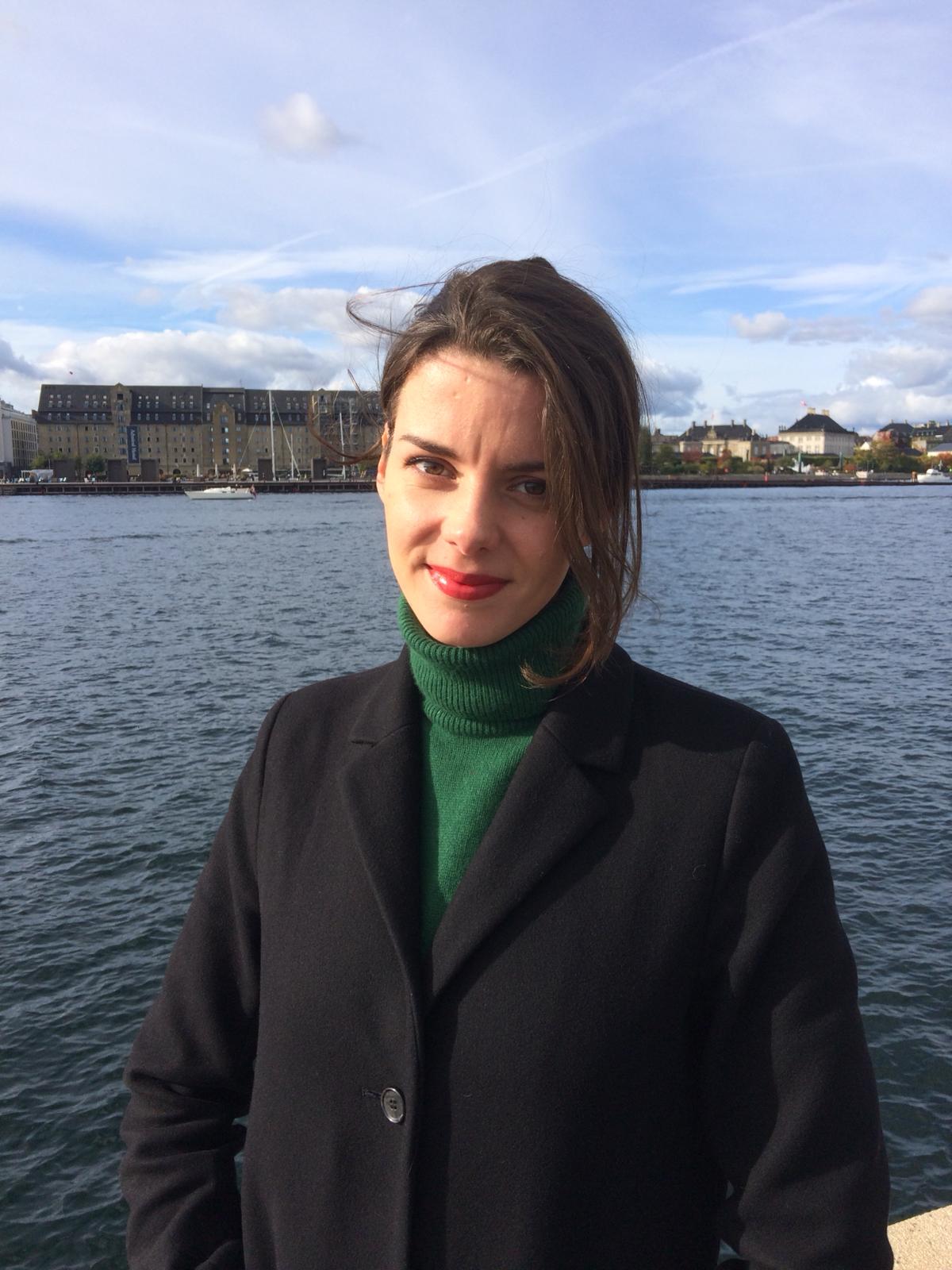
As we welcome new people to the FEELed Lab, we want to make space for longer introductions to project team members and research affiliates joining us this year. This profile is on Jasmijn Leeuwenkamp who is the FEELed Lab’s visiting researcher.
- Can you tell us about your work/research?
In my PhD project I analyze anthropocentrism in human rights in the context of what is called ‘the Anthropocene’. Coming from political philosophy, I am interested in the consequences of rejecting a separation of nature and culture for using a rights approach to protect the environment (my case studies include climate litigation, rights of nature, ecocide). I analyze anthropocentrism from an ecofeminist, posthuman perspective, focusing on the intersection of multiple oppressions and exclusions, and look specifically at the way the concept of property (rights) has been important within this framework. - Why did you want to work with the FEELed Lab?
Having an interdisciplinary project that is theoretically embedded in the environmental humanities, I am very keen on being part of and contributing to an interdisciplinary research community that is interested in similar topics from different perspectives. Moreover, I am very curious to learn from a research community that emphasizes the embodied, practice-oriented, and collaborative aspect of academic work. - Why are expansive engagements with environmental issues important? (Expansive in this question can mean expansive in disciplines, methods (artistic, etc.), Space/Place – or whatever feels most relevant to your work and reflections)
What has become increasingly clear in doing research on environmental issues is how connected not only the different injustices resulting from ecological destruction are, but also how interlinked the conceptual frameworks that underly different forms of oppression are. Understanding the relations of humans and the environment differently thus means understanding humans differently, and to take seriously the situatedness and materiality of such questions. If one does not want fall into old traps of universalism, abstraction, and ethnocentrism, I think it is crucial to start from a position of situatedness, materiality and locality and not be confined to disciplinary boundaries.
 The FEELed lab