Hello everyone! Our UBC – Okanagan research team has been hard at work on the access and inclusion project, and we thought it was time to properly introduce them to you. Over the past few months, I have scheduled one-to-one meetings with each team member to ask them broad questions about their background and the disciplines they come from, how access and inclusion came to be a vital issue for them, and what expertise, skills, and knowledge they bring to the team.

Dr. Natalie Forssman, discipline: Science and Technology Studies (STS)
Natalie uses an anthropology lens to examine the material and discursive construction of scientific knowledge. Her PhD dissertation focused on embodiment and fieldwork practice in environmental research, asking how bodies, landscapes, and technologies coordinate to create knowledge about more-than-human practices.
Part of her interest in this project stems from past fieldwork on interdisciplinary teams, where she realized that what someone can understand is constrained by their positionality – how experiences, background, culture, and various (dis)abilities influence how they interpret the world. Natalie’s skills in examining methods and methodologies are a great asset to the team as we explore the implications behind methods the FEELed Lab uses.
A few questions related to this project that Natalie is interested in answering include: How do you create meaningful connections to others through fieldwork and events? Who is afforded the time and support for creative work? How can we ensure those engaging in our environmental humanities research also gain something from their participation?

Matthew Rader, discipline: Creative Writing
Matt’s expertise is in aesthetics, poetry, and art. The main skills he brings to the team include bringing an artistic lens to access and inclusion, thinking of access as a process and a temporary collectively held space. A multiplicity of voices is needed in access and inclusion work – there is no one correct Truth – similar to aesthetics where there can be no one final piece of art.
There are two main impetuses that brought Matt to think on access and inclusion as a vital issue. The first is his own history being medicalized, which brought him to the realization of the shortcomings of the medical model of disability that fails to see societal structures of ableism as a problem for disabled people.
The second was having a student with low vision in his poetry class that led to the realization that a poem is a different object based on the embodiment of the listener, for example having a poem read by a computer screen reader for a person with low vision is different than that same poem being visually read on a page by a seeing person. How does this consideration change the way a poet creates and writes a poem so that it can appeal to more audiences?
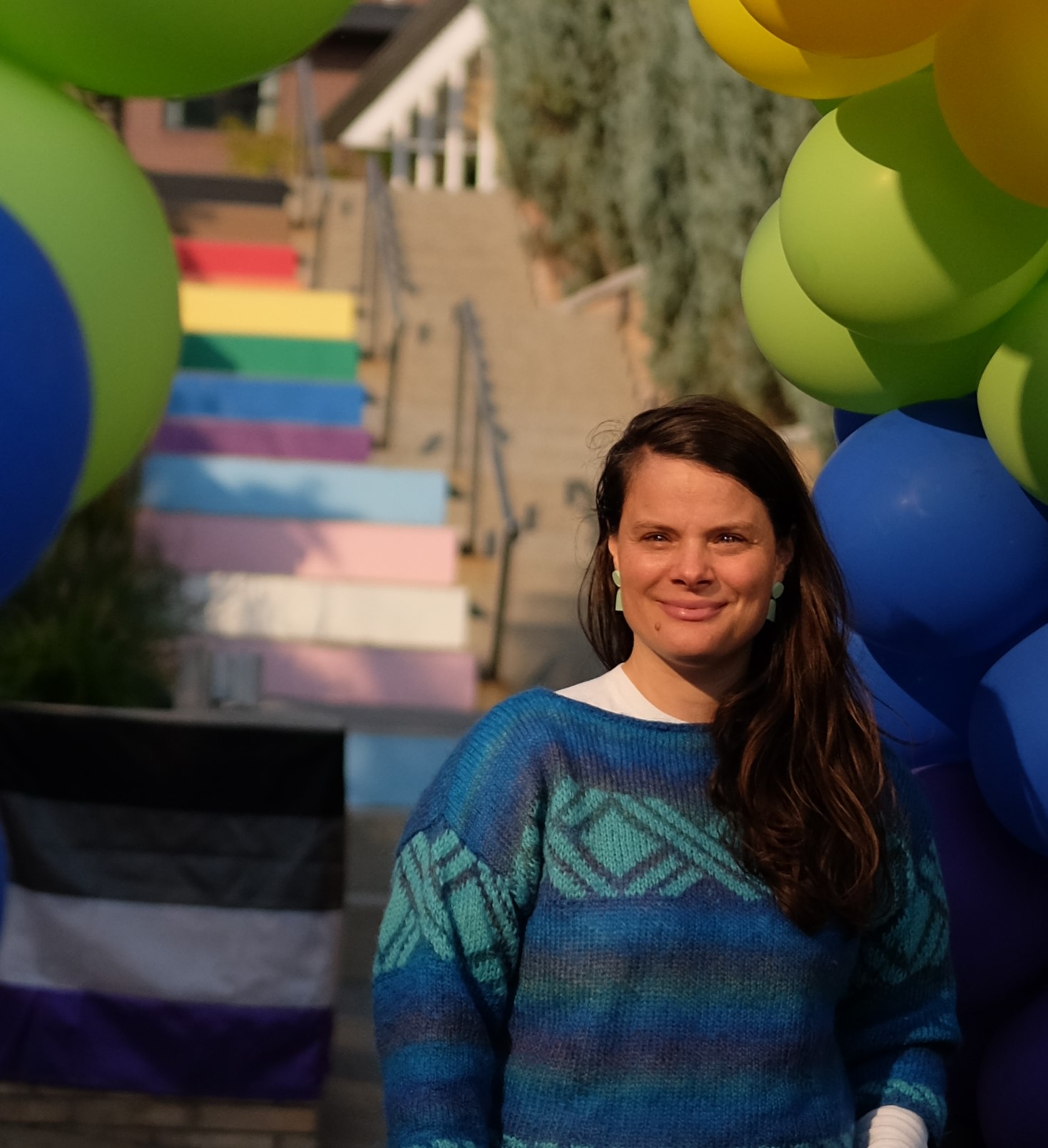
Jenica Frisque, department: Equity and Inclusion Office
Jenica Frisque is deeply committed to advancing equity, inclusion, and diversity initiatives within campus and community settings. Currently serving as an Equity Education Strategist at UBC Okanagan’s Equity and Inclusion Office, she brings a wealth of experience and expertise to her role and our research team.
Prior to joining the Equity & Inclusion Office, Jenica gained firsthand insight into the challenges faced by students with developmental disabilities through her tenure at STEPS Forward Inclusive Education, a non-profit organization dedicated to facilitating the participation of individuals with developmental disabilities in post-secondary education. Her work involved supporting students in navigating the university experience, underscoring the necessity of systemic change over requiring individuals to change to fit within oppressive or exclusionary spaces.
Throughout her academic journey, Jenica’s scholarly pursuits were anchored in political ecology and feminist perspectives. These frameworks informed her advocacy for gender analysis integration in local development initiatives. Her academic focus was cultivated during her master’s studies at Lund University and Malmo University from 2008 to 2011, further enriched during her research period in Valle Sur, Peru.
Jenica’s diverse skill set encompasses strategic planning, educational program development, and event coordination, all underscored by her deep understanding of equity, inclusion, and anti-racist principles within institutional settings.
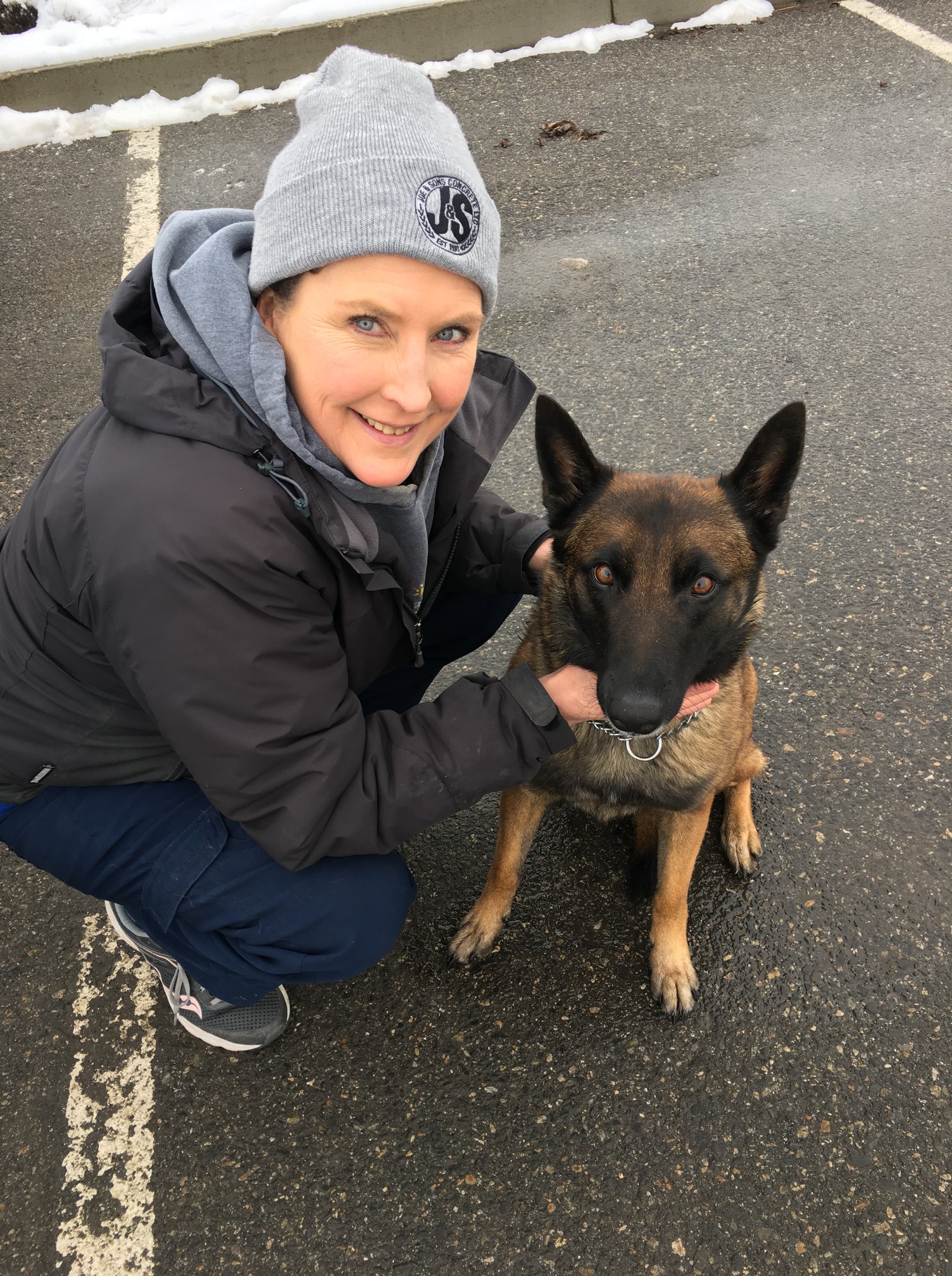
Dr. Rachelle Hole, discipline: Critical Disability Studies
Rachelle’s work is at the nexus of critical disability studies, that examines the theoretical basis of ableism, the exclusion of disabled people in society, and disability justice, focused on real-world activism to increase inclusion and challenge biases. As a scholar that lives with a chronic illness, Rachelle’s work engages with positionality and the intersections of discrimination.
Why is it that ability and disability continue to be the last dimension of intersectionality to be included, if it is remembered at all? There are deep-seated biases society continues to hold around ableism and the medicalization of disabled people, as needing to be curing and not having a future of their own until cured.
Rachelle is the leader of the Canadian Institute for Inclusion and Citizenship, helping to inform provincial and federal policymakers on inclusive practices. She has also worked on a few community-building theatre projects that include topics of mental health, sexual agency, and desire with the goal to education the general public around issues of access and inclusion.

Emma Carey, discipline: Sustainability
As the research assistant on this project, Emma is grateful to have the opportunity to learn from the expertise of our fabulous team members. In her master’s thesis, she studies how we can find better ways to live with invasive/exotic plant species in regional parks in the Okanagan. This access and inclusion project has provided many interesting intersections with her own thesis research such as the privileged dimensions of who has access to parks, the often exclusionary design of parks (not enough benches and steep slopes), and where should humans have access (or be denied access) in a park to ensure plants have enough space?
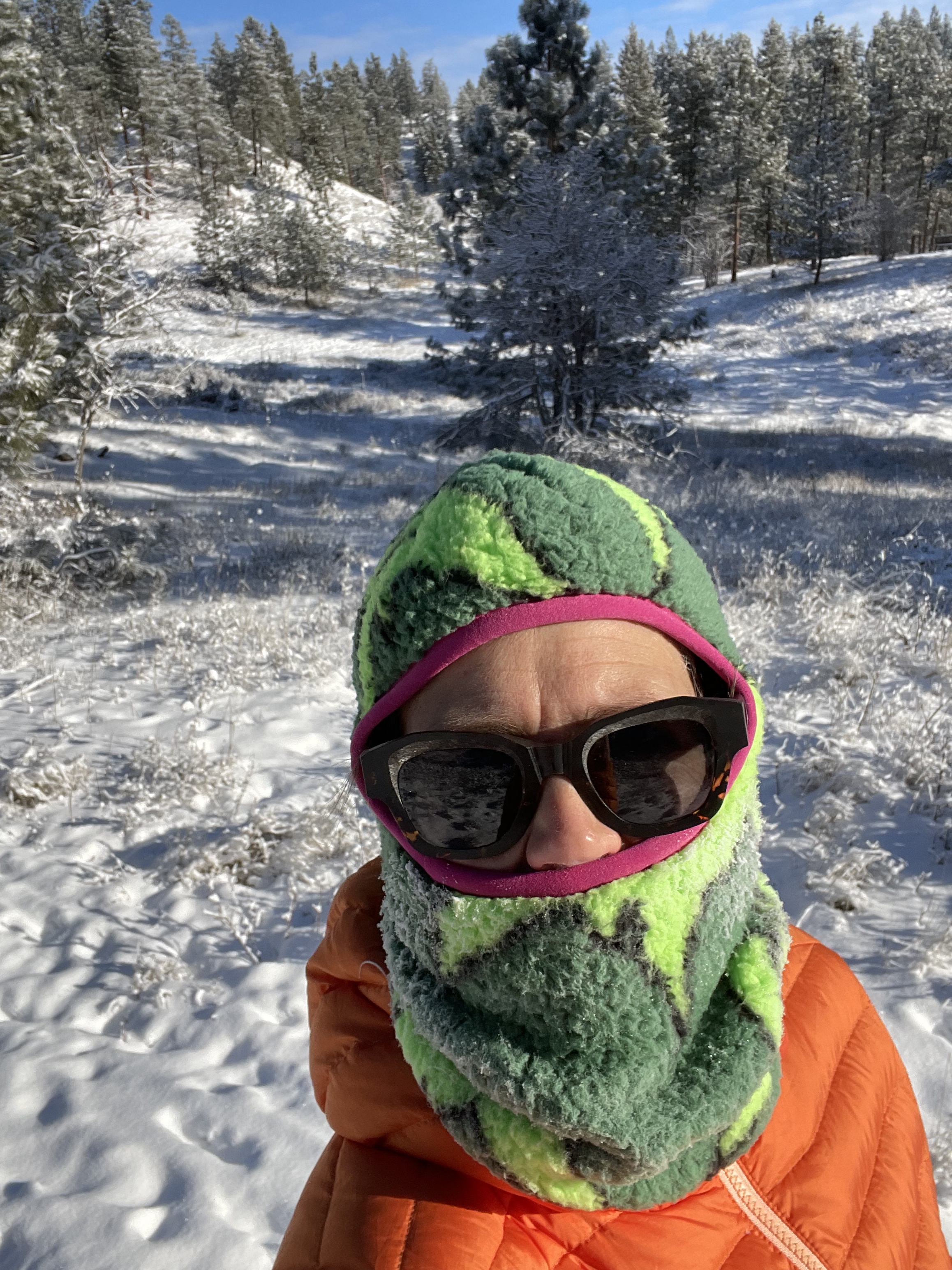
Dr. Astrida Neimanis, discipline: Gender Studies and Cultural Studies
Astrida’s work on this project is motivated by her experience in academic “environmental studies” spaces that seem to take for granted a certain kind of participant: often male, usually white, always able-bodied and comfortable with discomfort. She wants to ask: how might increasing the diversity of bodies who feel welcome in “environmentalist” spaces also expand our understanding of sustainability? As Director of the FEELed Lab, she wants to ensure that this space can keep committing to better access and inclusion praxis.
 The FEELed lab