Current FEELed Members
Astrida Neimanis
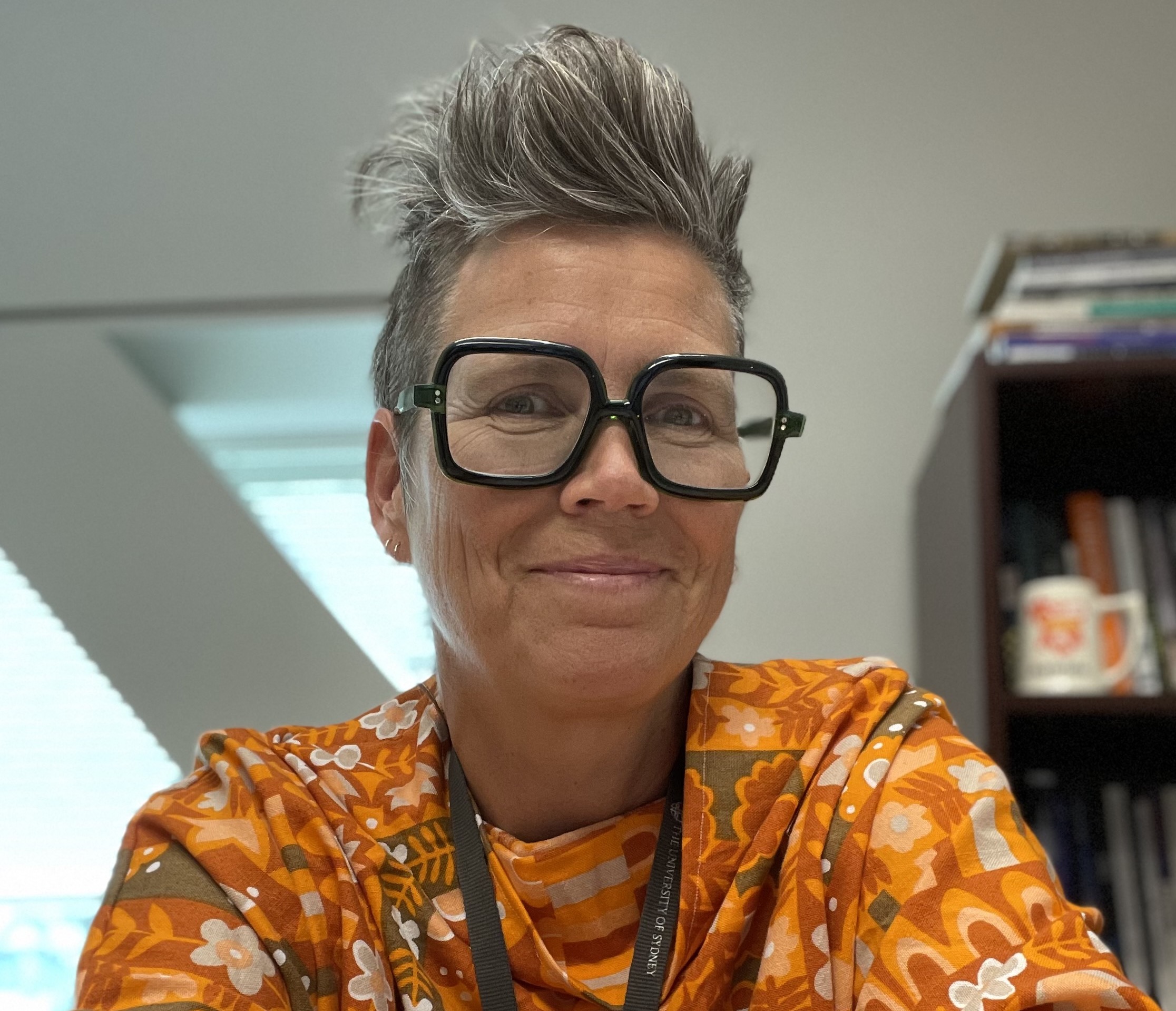
FEELed Lab Director & Canada Research Chair in Feminist Environmental Humanities, UBC Okanagan
Astrida (she/they/pronoun anarchy, pronounced us-TREE-duh) is a white settler, born on Dish-With-One-Spoon treaty territory (in Hamilton, Ont), whose ancestors come from the Baltic Sea region of Northern Europe. They write, research, teach and collaborate in relation to water, weather, bodies and feminisms, among other tangled environmental matters. Astrida joined UBC Okanagan in 2021.
You can read more about some of Astrida’s recent projects in this FEELed Note.
Julia Jung
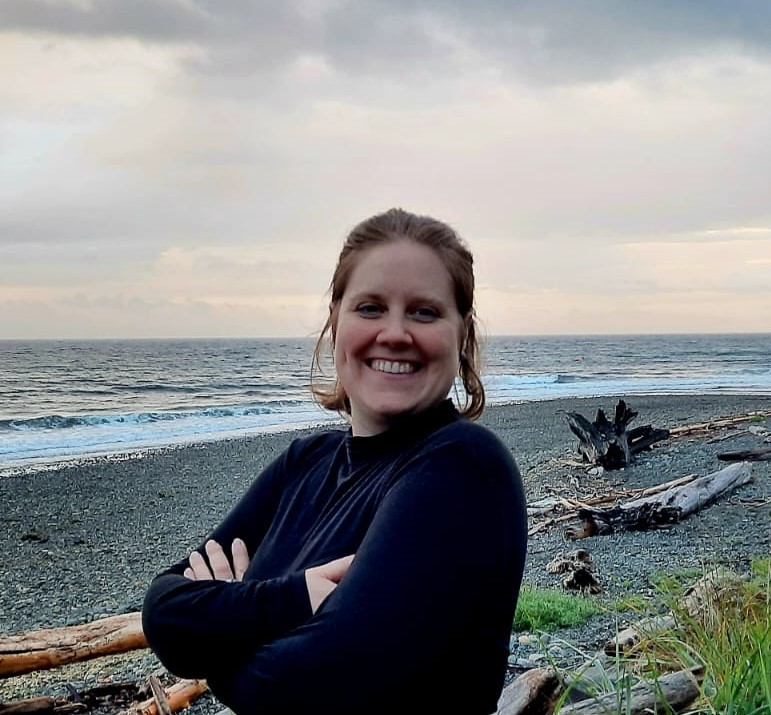
FEELed Lab Administrator
Julia Jung (dey/dem) is a PhD student in UBCO’s interdisciplinary sustainability program. Dey is originally from Germany and is currently living on as an uninvited guest on the unceded ancestral territory of the Syilx Okanagan People in Kelowna. Julia has a background in marine biology and participatory methods and is interested in ArtScience collaborations, marine social science and the blue environmental humanities. Deir thesis will explore how polyamorous thinking might support transdisciplinary collaborations in ocean science and marine conservation. Before starting deir PhD, Julia worked as a freelance researcher as part of the Cobra Collective, of which dey are still a member. Dey currently serve on the steering committee of the Ocean Knowledge Action Network.
You can read Julia’s reflections on the first few months of deir work here, deir review of their first year at the lab here and deir full researcher profile in this FEEled Note.
Robin Metcalfe

Research Affiliate
My doctoral research explores the implementation and implications of the Accessible British Columbia Act [SBC 2021] with a focus on self-advocates’ leadership and experience. I am also thinking in the overlap of disability justice, health justice, and climate justice, wondering with self-advocates how accessibility can be instructive in climate planning and what climate justice means in our communities. I am collaborating with a co-researcher, JoAnne, on a project called, Housing Matters, to gather self-advocates’ experiences and analyses of the housing crisis across BC. My learning and research is supported by the UBC Canadian Institute for Inclusion and Citizenship (CIIC). Alongside academics, I participate in a few collaborative writing and creative activism projects. I am organizing with friends in my community to care for our urban canopy and our riparian greenspaces along rail trails. I garden, cycle, wander, and learn on the unceded, traditional, and ancestral lands of the Syilx Okanagan peoples, and come to my learning from Eastern and Western European and Deaf cultural heritages.
Jamie Stevens
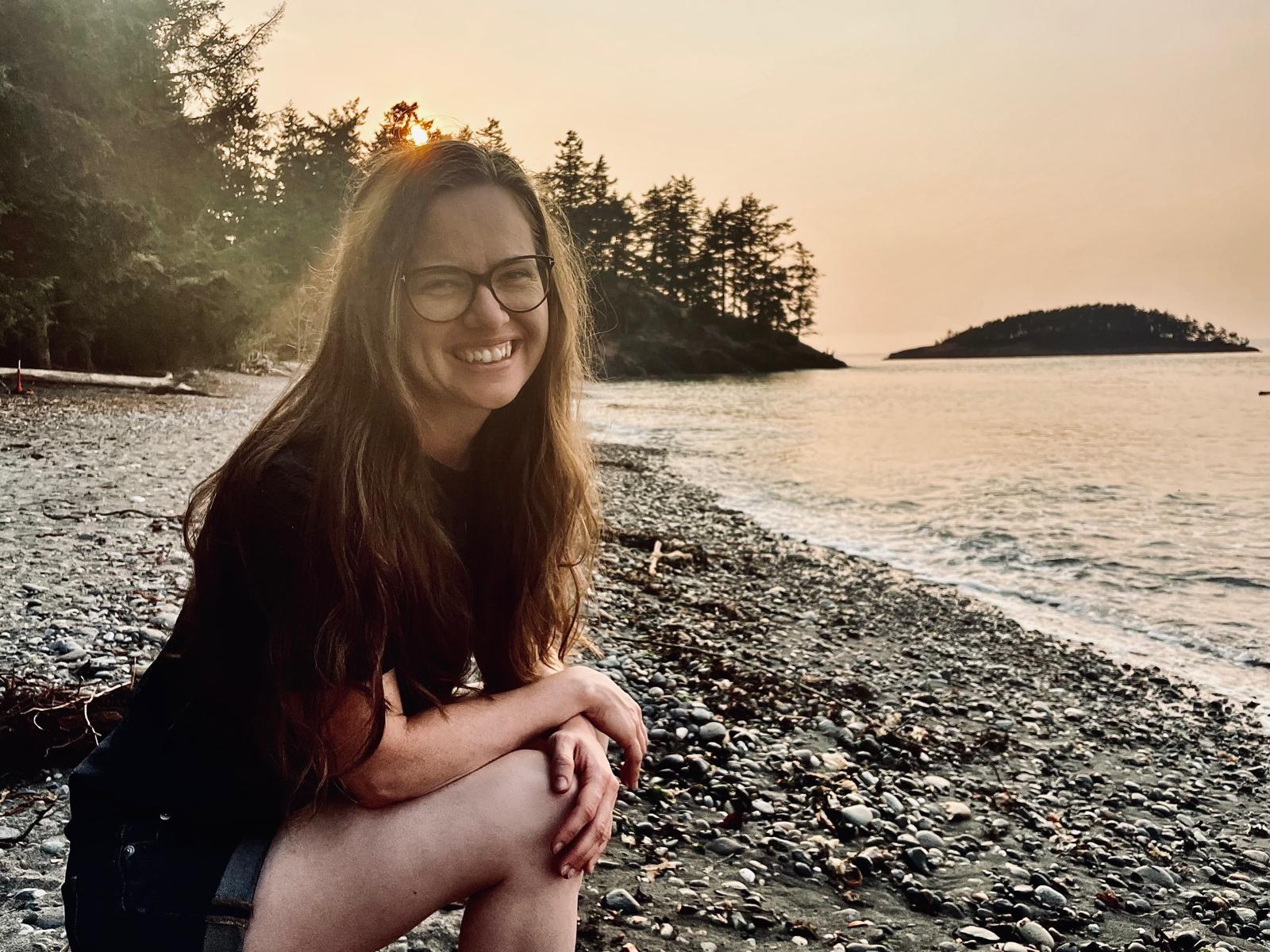
Community Partner & Research Affiliate
Jamie (she/her) is an MA student in UBCO’s interdisciplinary sustainability program. She is a white settler raised amongst the forests and waters of the Shuswap, the unceded lands and waters of the Secwépemc nation. She currently lives in the unceded territory of the syilx Okanagan. She is committed to participating in the healing of the lands and waters that raised her, which includes showing up in solidarity with indigenous-led actions. Her academic background spans the humanities, education, and restoration sciences, which she weaves into her role as a co-facilitator of the Land Healing Circle and Better World Club (a middle school community action group) at Ponderosa Education Community (PEC) – a FEELed Lab community partner. Her master’s research inquires how cultural narratives influence coalition-building in the context of rural communities, and how anti-polarization approaches might foster community-engaged land care. Underneath it all, she is curious if working together to heal the land will heal us too? Jamie is continuing her work as a middle school specialist Teacher-Teaching-on-Call (TTOC) while undertaking her research because there is nothing like middle schoolers to keep academic hubris in check. Inspired by her students’ calls for meaningful action on climate change, Jamie is also working as a research assistant with the UBC Climate Solutions Research Collective as a Solutions Scholar on the project ‘Addressing Polarization: Arts‐led Social Infrastructures for Anticolonial Climate Justice’.
Meghan Reyda-Molnar
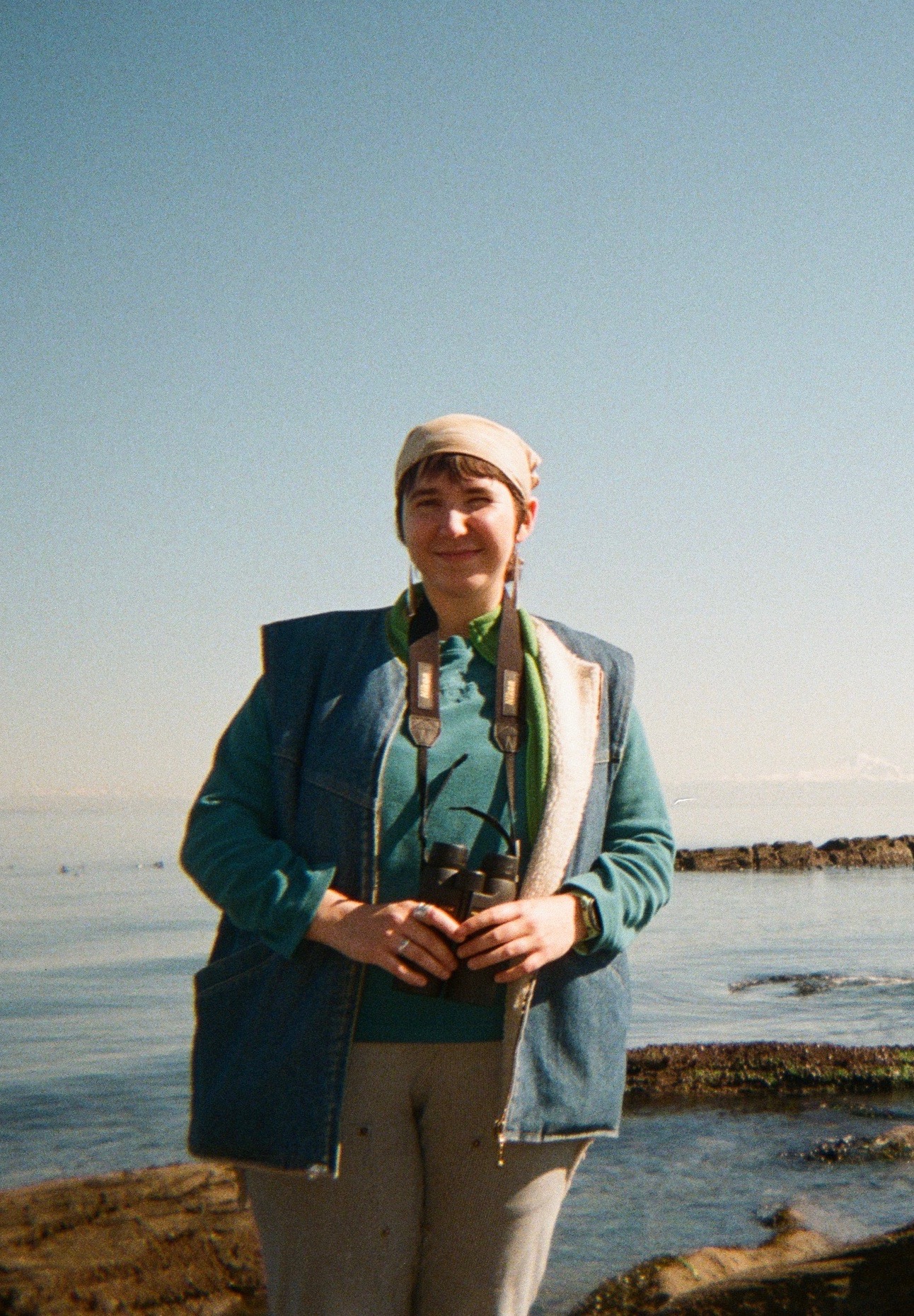
Research Affiliate
Meghan Reyda-Molnar (she/they/any) is an MFA student born on the territory of the Cree, Dakota, Nakota, Lakota, and Saulteaux (or Regina, SK), now living on the unceded ancestral territory of the Syilx Okanagan people. Their research and academic background is mainly in oceanography and environmental chemistry. In the past, they’ve worked on projects centered around developing environmentally-friendly antifouling materials, monitoring radioactive isotope concentrations in the Pacific/Arctic oceans, investigating seasonal productivity in Saanich Inlet (on WSANEC land/Victoria, BC), and most recently, as a part of a group investigating bubble-mediated gas exchange in the Labrador sea. They have spent a surprising amount of time on boats. Poetry has always played a large role in their life, and their thesis at UBCO will focus the interplay of science and poetics, specifically in the context of grief–whether personal, political, or somewhere in the less discrete estuary of both those titles. They are interested in how queer temporalities might map onto time spent in lab and at sea, learning about the watery interconnection of places, bodies, chemistries. Their writing has been published in The Malahat Review, Dyke News, This Side of West, and The Warren. Their chapbook, “Wheat Dyke Chaff Queen” is forthcoming with brokepress this summer.
Estraven Lupino-Smith
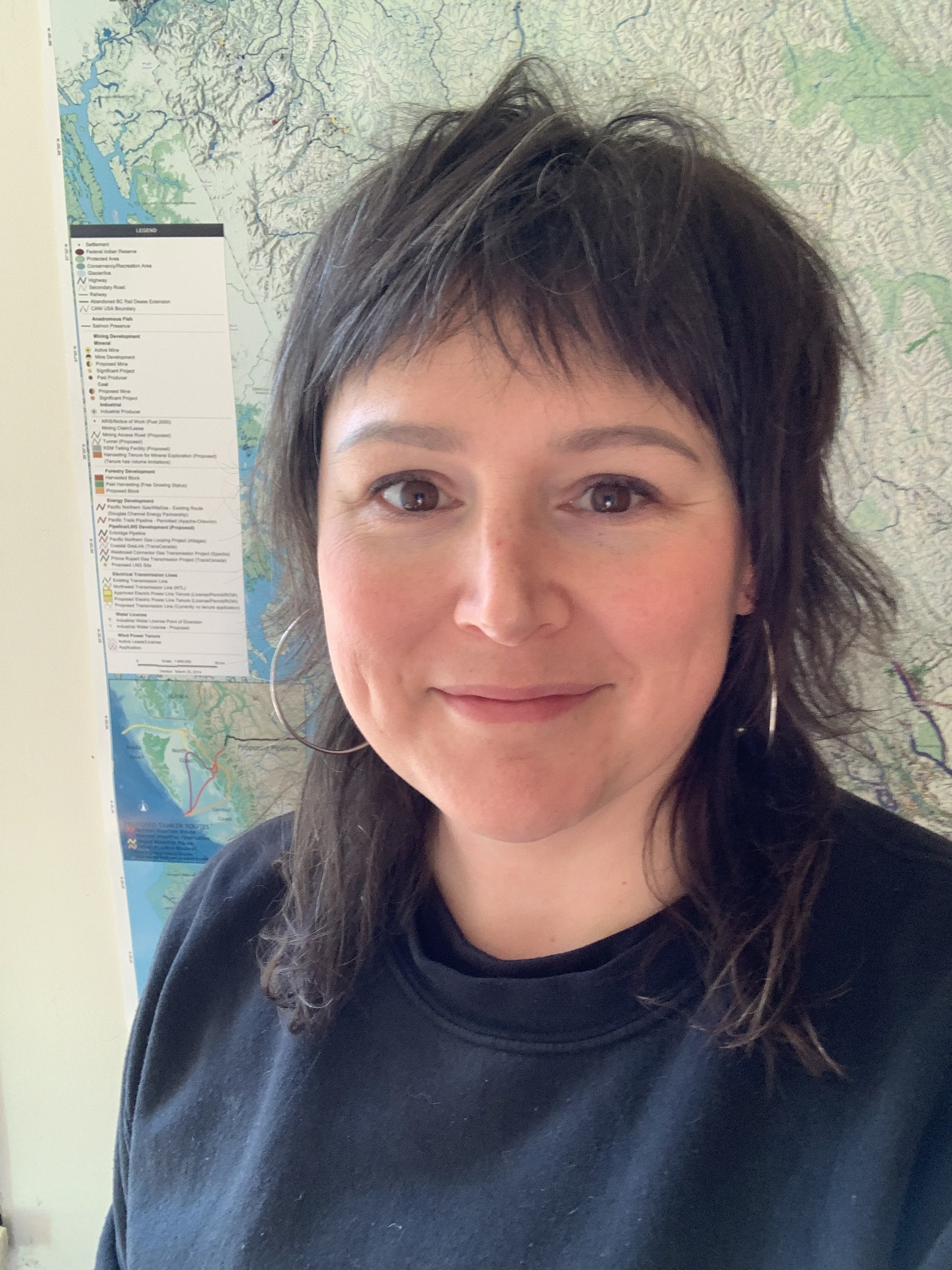
Research Affiliate
Estraven (they/them, pronounced est-RAY-ven) is settler artist and researcher, currently a PhD student in Geography interested in research-creation and the fields of critical political ecology, queer theory, and cultural geography. Rooted in a commitment to justice and resistant ways of inhabiting settler-land relationships, their work traces the social and material forces that shape urban ecologies under settler colonialism. With a background in artistic research and environmental humanities, and shaped by time in gardens, woodlots, and overgrown alleyways, they study how restoration schemes and environmental governance entangle with regimes of sexuality, race, and the more-than-human. Their current research dwells with the unruly life of so-called invasive species, asking what kinds of refusals, attachments, and ecologies take root in the margins.
Fabiola Melchior
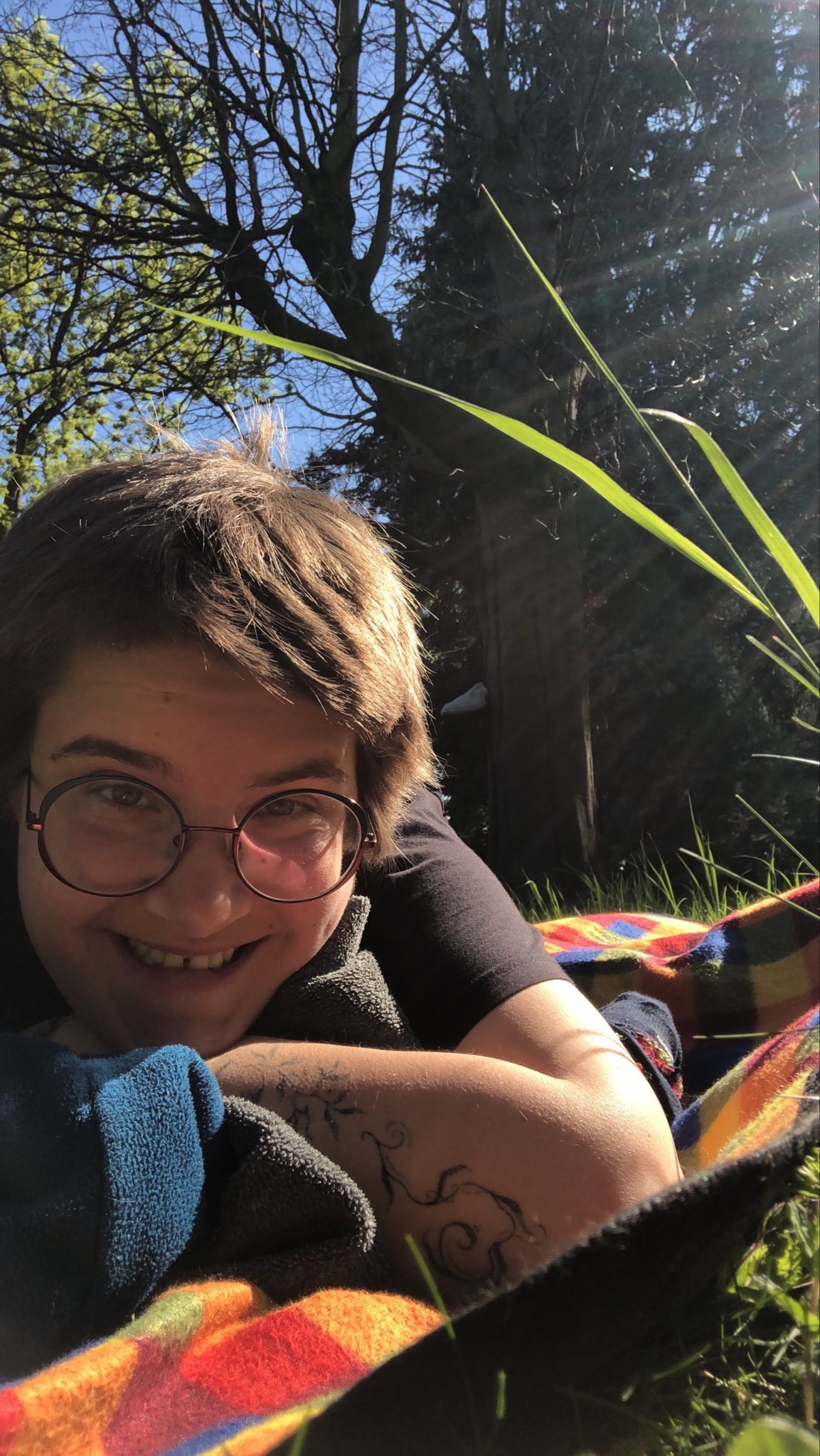
Research Affiliate
Fabiola Melchior (they/she) is a PhD student in UBCO’s interdisciplinary sustainability program. As an international graduate student from Germany, they are an uninvited white settler on ancestral, unceded and currently occupied territory of the syilx Okanagan people. Fabiola has a background in environmental sciences, community studies, and community-engaged praxis and research. Having been involved in climate and justice organizing in various countries, they continue to learn about how to show up for local as well as transnational struggles for sovereignty and justice. Their thesis will explore the settler colonial legacies of (fire) insurance, embedding and understanding ‘wildfires’ as well as values underlying ‘property’ and ‘ownership’ in the context of racial capitalism, settler colonialism and global processes of financialization.
Clara Kleininger-Wanik

Visiting Artist & Researcher
Clara Kleininger-Wanik (she/her) is currently PhD candidate in Film by Practice at the University of Exeter and London Film School (UK) and visiting research student at the UBCO through a Sustainability & Resilience Fellowship. With a background in visual anthropology, Clara researches and films on topics of multispecies relationships, conservation and Indigenous and Afro-Mexican ontologies.Several of Clara’s films have been shown in international festivals, her short documentary Everyday Greyness premiered at the Sheffield Doc/Fest 2020 (UK) and her feature-length documentary No Elephant in the Room, which questions human and more-than-human relationships at the Bucharest State Circus at the Krakow Film Festival 2023 (Poland).
Christine McPhee

Research Affiliate
Christine McPhee (she/her) is a white settler poet who grew up, in Snpink’tn (Penticton), British Columbia. Christine’s work draws on experiences of encounter that happen when spending time on the unceded, ancestral lands and waters of the Syilx Okanagan people. Christine returned to the Okanagan in 2015, into a regime of wildfire that made summer unrecognizable from her childhood memories. At the same time, spending regular time along Penticton Creek and Okanagan River, two channelized waterways undergoing restoration projects, she began to have new encounters: ermine, a western skink, young gopher snakes, American Dippers, increasing numbers of Osprey and diving ducks, otter, beaver, muskrat. Christine’s MFA thesis is a poetic reflection on the power of local conservation and restoration projects as counter-narratives to the dominant narrative of climate disaster.
Liz Toohey-Wiese

Research Affiliate
Liz Toohey-Wiese is a settler artist usually residing on the homelands of the xʷməθkʷəy̓əm (Musqueam), Sḵwx̱wú7mesh (Squamish), and sə̓lílwətaʔɬ (Tsleil-Waututh) peoples. She is a graduate from the MFA program at NSCAD University. She will be a visiting artist/scholar at the FEELed Lab for February and March 2025. Deeply interested in the history of landscape painting, her paintings explore contemporary relationships between identity and place. Her most recent work explores the complicated topic of wildfires and their connections to tourism, economy, grief, and renewal. She is a faculty member of the Fine Arts department at Kwantlen Polytechnic University, and the co-creator of the artist book anthology “Fire Season” (www.fireseason.org)
You can read Liz’s full researcher profile in this FEELed Note and find out more about her work on her website (www.liztoohey-wiese.com).
Natalie Forssman
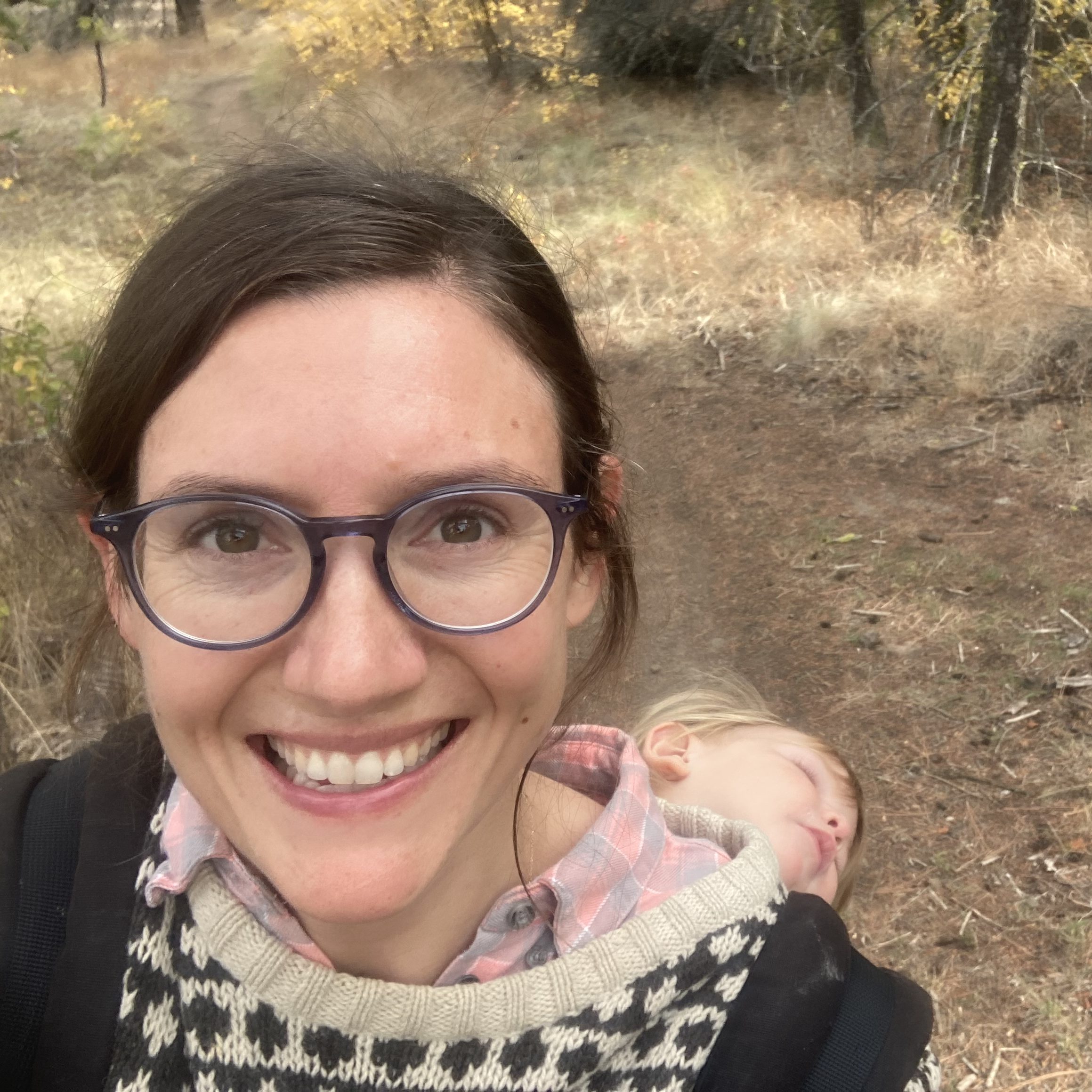
Research Affiliate
Natalie Forssman (She, Her, Hers) is an ethnographer of science who experiments in interdisciplinary research, communication, teaching, and facilitation. She completed her Ph.D. in Communication and Science Studies at University of California San Diego, and was a core member of Aarhus University Research on the Anthropocene, a transdisciplinary project in Denmark investigating feral landscapes and ecologies though anthropology and the biosciences. Recently, she has taught communication and equity in technology/design at UBC Okanagan’s School of Engineering. She strongly believes that complex social and environmental problems are best tackled through research and teaching at the edges and intersections of perspectives and disciplines, and thus scaffolds the development of reflective, collaborative, and critical-thinking skills in her classes. Natalie endeavors to create learning opportunities with a multidisciplinary and multi-stakeholder focus, catalyzing students to work through open-ended problems that require self-learning and don’t necessarily lead to a final solution. In this kind of learning, there is no expectation that the instructor knows all the answers, but rather is positioned to help learners develop insights and transferable knowledges and skills. She teaches courses in cultural anthropology, environmental humanities, science and technology studies, communication, writing, and research methods, and community-service learning.
You can read more about Natalie’s research in this FEELed Note introducing the team behind our Enhancing Access and Inclusion in Environmental Humanities Research project.
Erin Delfs

Research Affiliate – EarthSense
Erin is an MA student at UBC Okanagan and an avid appreciator of all things FEELed Lab. Her process-oriented thesis focuses on unpacking structures of white settler environmentalism in the Okanagan, and exploring how settler climate activists here may understand and enact their responsibilities to syilx people, land, and climate justice (colloquially: How can settler climate activists get our sh*t together?). Currently, Erin is working as a research assistant with the UBCO cohort of the epic Earth Sense program, gardening, and remembering this quote from Rasha Abdulhadi.
You can read Erin’s full researcher profile in this FEELed Note.
Susan Reid

Research Affiliate
Susan Reid explores multibeing ontologies with a focus on human-ocean relationships, multibeing justice, and extractivism. She is an environmental philosopher, writer and artist whose creative research draws on expertise across cultural studies, international law, and contemporary arts. Susan was awarded a postdoctoral research fellowship with UBC’s Faculty of Critical and Creative Studies for her project: Multibeing Seas: Agencies of Resistance and Care. The project investigates how ocean agency, resistance, and endurance can be reimagined as critical responses to extractive marine regimes and their legal infrastructures. Susan’s ancestry includes Anglo-Celtic and mixed European settler heritage. She was born between the Solomon Sea and Pacific Ocean, on the main island of what is now known as the Autonomous Region of Bougainville. In Canada, she is based on unceded Syilx/Okanagan territory and, when in Australia, lives and works nomadically between unceded Gadigal and Yugambeh lands.
You can read Sue’s full researcher profile in this FEELed Note.
Tom Letcher-Nicholls
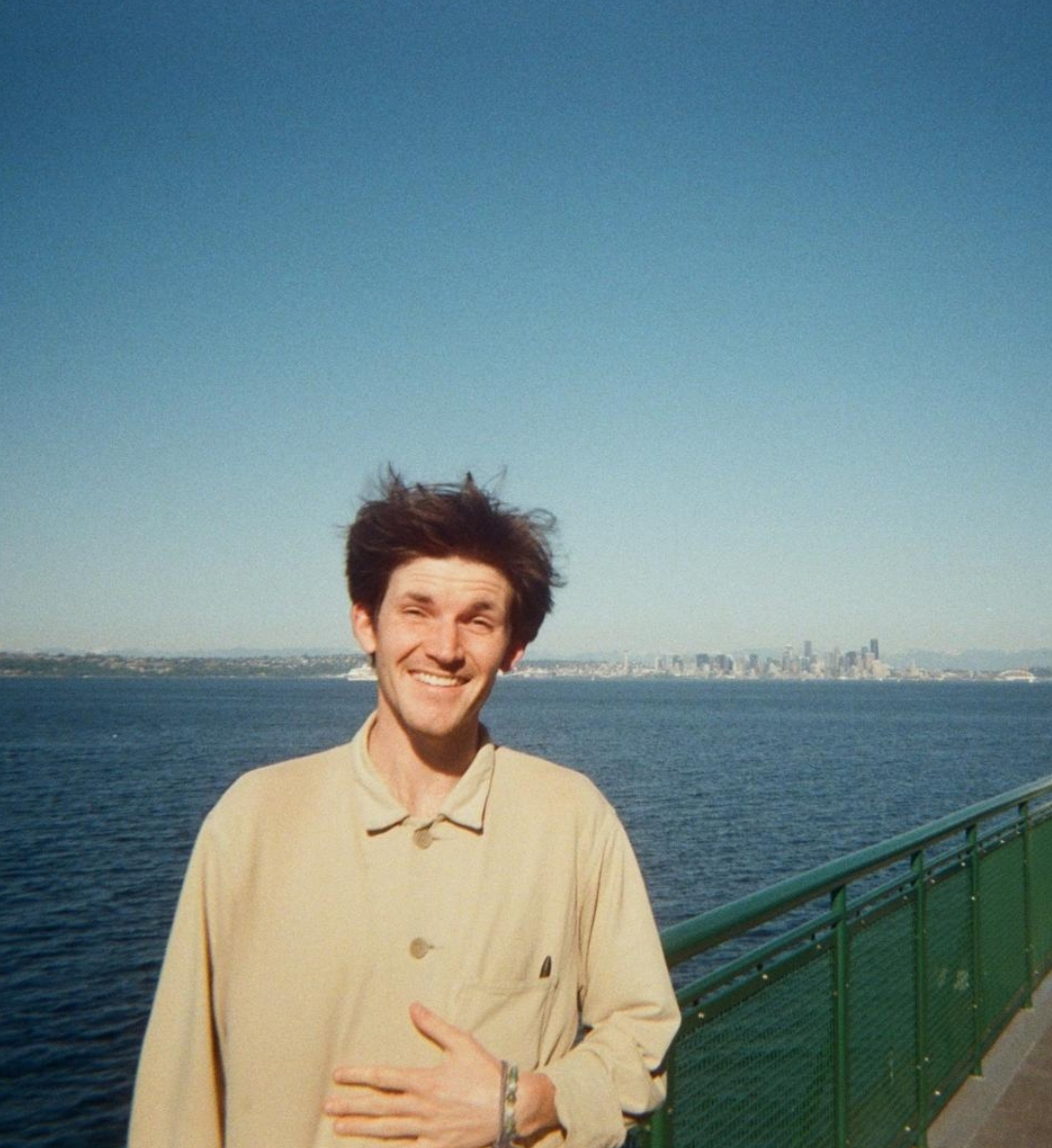
Research Affiliate
Tom Letcher-Nicholls (he/him) grew up as a white settler on Wurundjeri Country in Naarm/Melbourne (south eastern Australia) and is now based on the unceded, ancestral lands of the syilx Okanagan people. As a PhD student in UBCO’s Interdisciplinary Graduate Studies program in Sustainability, his research focuses on the responsibilities, relations, and obligations of researchers (specifically literary studies researchers) on unceded territories. He is interested in the power of stories in shaping our relations to place.
You can read Tom’s full researcher profile in this FEELed Note.
Manuela Rosso-Brugnach

Research Affiliate
Manuela Rosso-Brugnach is a Ph.D. candidate at UBC Okanagan. Her research delves into the intersections of sustainability, linguistics, polyphony, and art, with a particular emphasis on human-water dynamics within diverse cultural frameworks. As an immigrant whose life has spanned multiple countries and cultures, motion—both literal and metaphorical—plays a central role in her work. This fluidity informs her exploration of how movement shapes our understanding of identity, environment, and the relationships between them. Grounded in a transdisciplinary background that includes a B.A. in Conceptual Art and an MPhil in Women and Gender Studies, along with experience as a youth justice advocate and interpreter, she honours the nuances of language and the complexities of advocacy. These experiences, intertwined with her immigrant perspective, have revealed and reshaped the socio-political and cultural narratives that govern our interactions with water, enabling a more profound exploration of translingualism and collective methodologies in both human and non-human contexts. Currently involved with the HuT Nexus project across various European landscapes, she examines the role of playback theatre in environmental disaster settings. Fluent in four languages, Manuela’s work reflects a deep engagement with the complex interplay of language, culture, ecological practices, and the perpetual motion that weaves through her life and research.
You can read Manuela’s full researcher profile in this FEELed Note.
Daisy Pullman
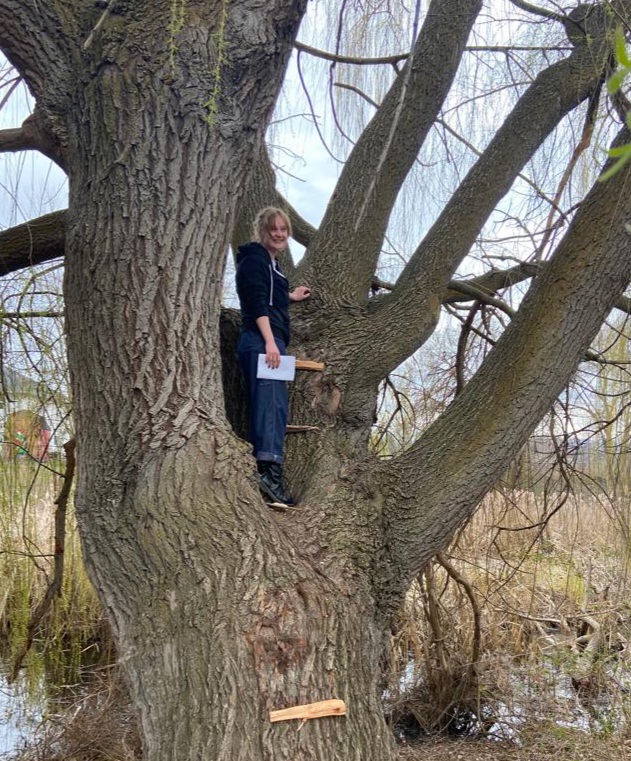
Cultivating Environmental Attention Project Team Member
Daisy Pullman (she/her) is a PhD student from the UK currently living and working in the unceded ancestral territory of the Syilx Okanagan people. She is pursuing interdisciplinary sustainability studies at UBC Okanagan and her research interests include environmental history, eco-critical literary analysis, and postcolonial studies. Her thesis will examine the US/Canada border as a physical, political, and cultural dividing line, with particular interest in differing jurisdictional approaches to environmental governance and land management within the transboundary Okanagan bioregion.
Emma Carey

Enhancing Access and Inclusion in Environmental Humanities Research Practice Project Team Member
Emma (she/her) is a Master’s student in UBCO’s Interdisciplinary Sustainability program. Her thesis will be on invasive plant species and how to build a less antagonistic relationship with these plants. She completed her undergraduate degree in Environmental Studies and Global Development from Queen’s University at Kingston, ON in 2021. Prior to resuming her studies at UBCO, she worked for the Weston Family Foundation’s Homegrown Innovation Challenge that fosters innovative food systems concepts for Canadian fresh fruits and vegetables. She also used to work at an organic farm in Minden, ON.
You can read Emma’s full researcher profile in this FEELed Note.
Michael V Smith
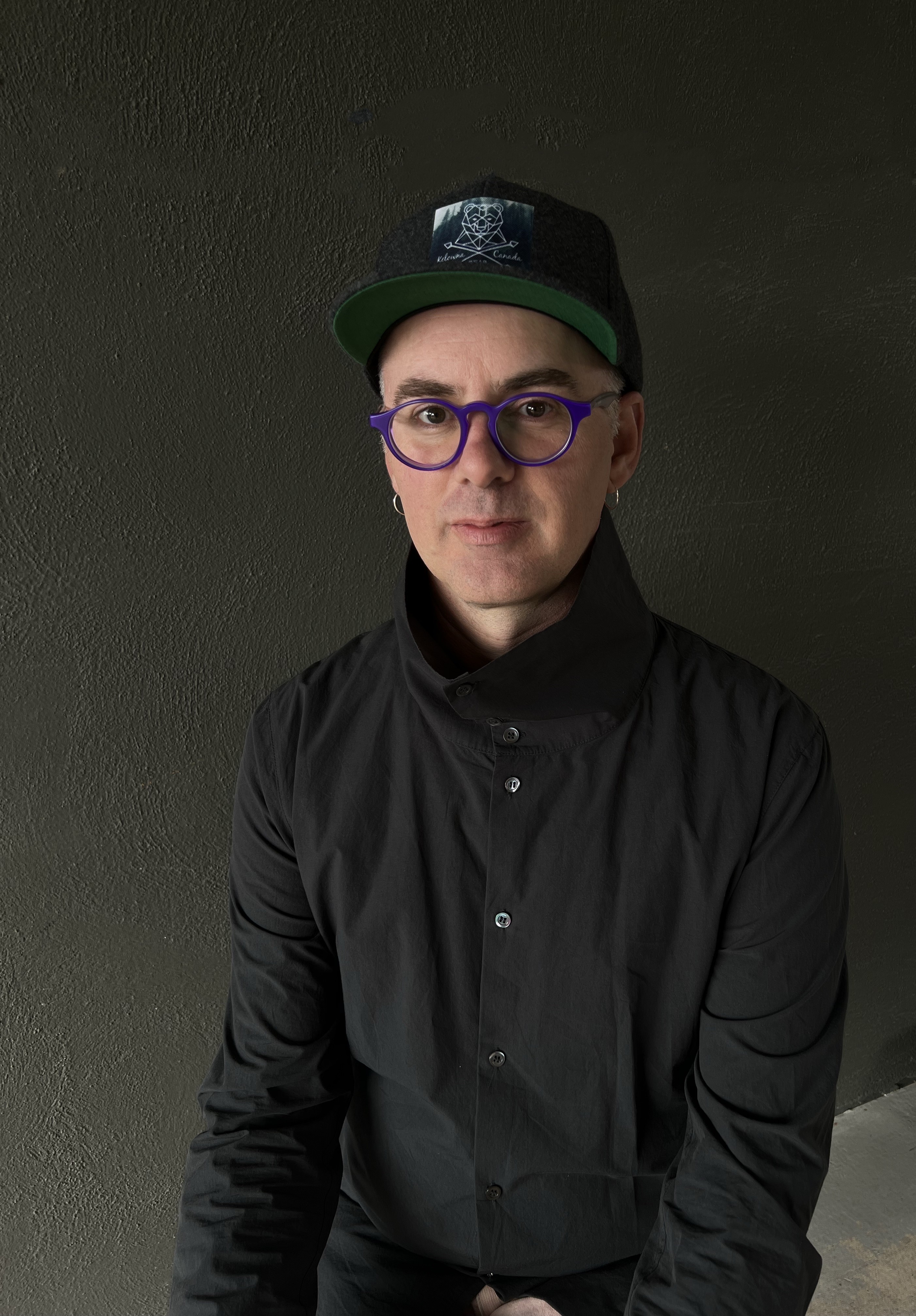
Research Affiliate – Pony Cabaret and Biodiversities of Gender
Michael V. Smith is a writer, performer, filmmaker, and professor teaching Creative Writing at UBC Okanagan campus. Smith is an MFA grad from UBC’s Creative Writing program. Smith’s most recent project is The Floating Man, a feature documentary in which Smith sources his visual art and performance practice to examine a lifetime of untrue stories about his gendered body. His latest book Queers Like Me is a poetry collection about growing up as a small town queer, released in Fall 2023 with Book*hug. Read about the Biodiversities of Gender here.
Erin Scott

Research Affiliate – Biodiversities of Gender
Erin Scott (she/they) is a time-based, interdisciplinary artist who lives on the unceded territory of the Syilx/Okanagan Peoples (Kelowna, BC). Erin is a founding member of Inspired Word Café, a literary and performing arts non-profit. Their first chapbook, “Atrophy”, won the John Lent Poetry Prose Award 2019 and was published by Kalamalka Press in 2020. “to make it whole again”, their second chapbook, was published in 2021 with broke press. Their award-winning performance work has been hosted on stages across Canada. Moving into digital modes of writing and performance, their recent work features in Metatron Press’s digital edition “Glyphoria”, as well as being presented at the Alternator Centre for Contemporary Art in early 2024. Erin holds an MFA in performance and writing and is currently a PhD student in Interdisciplinary Studies, Digital Arts and Humanities at UBCO. Her research and artistic work focus on community art practice, humour, motherhood, identity, and language.
Rina Garcia Chua

Research Affiliate in Environmental Humanities and Migrant Ecologies
Rina Garcia Chua (she/her/siya) is a creative and critical scholar from the Philippines who is currently based in unceded tm̓xʷúlaʔxʷ (lands) of the syilx / Okanagan peoples. She has been a 2022-2023 Jack and Doris Shadbolt Fellow in the Humanities at Simon Fraser University, a 2023 Affective Currents Institute Fellow at Dartmouth College, and she received her PhD from the University of British Columbia. Rina is the editor of Sustaining the Archipelago: An Anthology of Philippine Ecopoetry (UST Publishing House, 2018), and co-editor of Empire and Environment: Ecological Ruin in the Transpacific (University of Michigan Press, 2022). Her current book manuscript develops the framework of a migrant reading practice in analyzing curations, collations, and anthologies of literary and visual cultures, and she is completing her poetry collection, “A Geography of (Un)Natural Hazards,” which is a visual and poetic response to migrant and arrivant cultures, liminal environments, and violences of form and language.
Read more about Rina’s work with us in this FEELed Note.
Onyx Sloan Morgan

Research Affiliate
I was drawn to research after feeling its transformative potential in my own learning and continue to be motivated by the communities with whom I am privileged to work. My positionality as a queer, non-binary white settler of Irish and Scottish ancestries steers my engagement. Having grown up on unceded Lekwungen territories, my research seeks to: 1) reveal the power dynamics at the core of inequitable and oppressive structures, and 2) foreground the resistive, transformative relationalities that communities enliven every day for more just and sustainable futures.
Alex Berry

Project Team Member – Sensing a Changed Climate in Early Childhood
Alex’s research contributes to a larger collective dialogue in early childhood studies that is rethinking children’s relations with ‘nature’. Her work is situated at the generative nexus between the arts and pedagogical inquiry. Thinking at this intersection has energized her research in Ecuadorian early childhood spaces and her curatorial work in two research-creation exhibits, Disorientating the early childhood sensorium: Micro-interruptions for alternative climate futures and Plastic Childhoods: Noticing toxic intra-dependencies in Andean early childhood.
Alex’s project with the FEEL-ed Lab, Sensing a Changed Climate in Early Childhood, entangles early childhood education with the feminist environmental humanities toward new anti-colonial theorizations and pedagogies for ‘sensing’ climate dilemmas with young children.
You can read Alex’s full researcher profile here and more about her work with us in this FEELed Note.
FEELed Lab Alumni
Jasmijn Leeuwenkamp
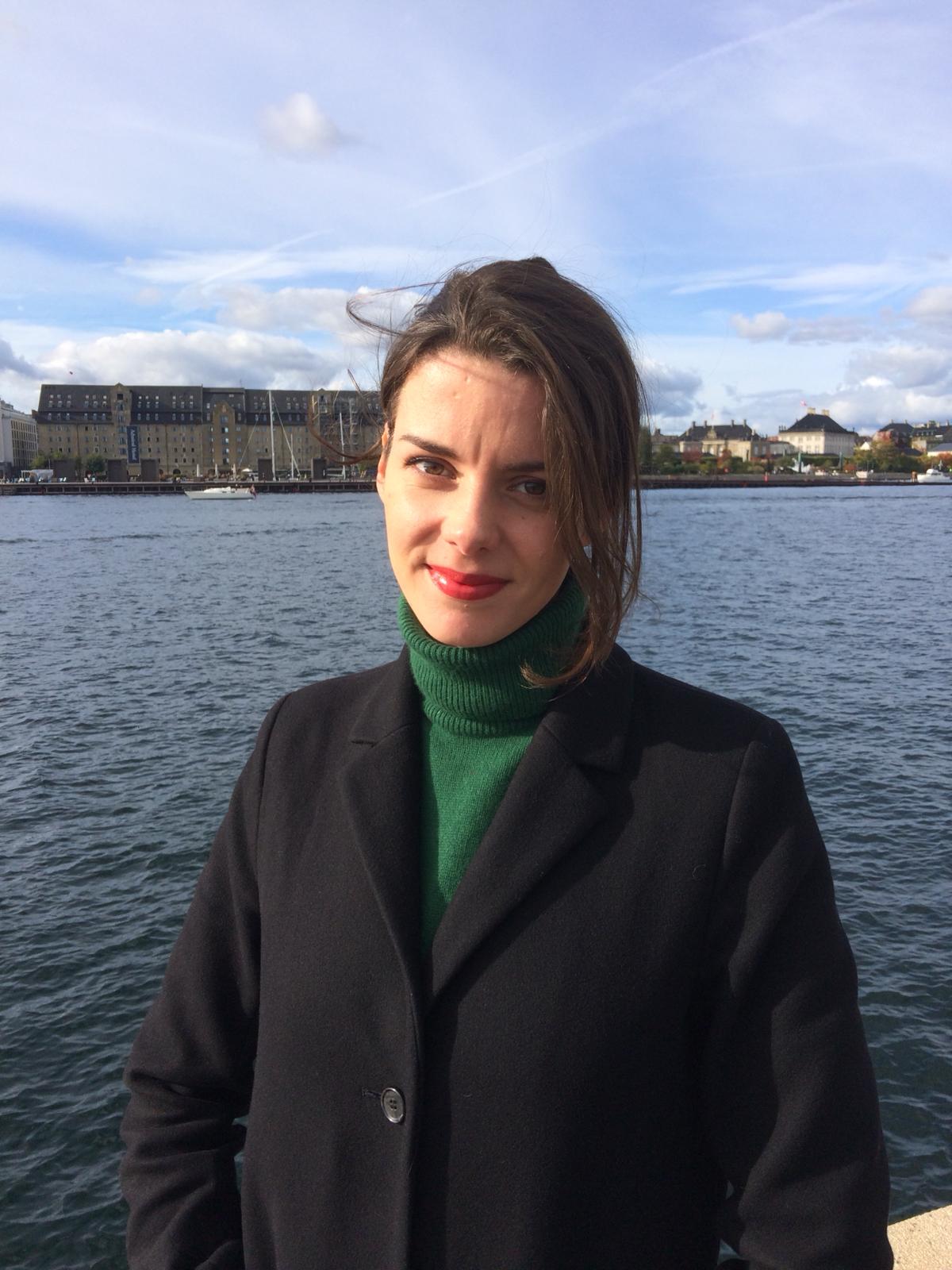
Visiting Researcher – Human and Non-human Rights in the Anthropocene: Politics, Property, and Representation
Jasmijn Leeuwenkamp is a doctoral candidate in philosophy at Amsterdam School of Cultural Analysis, University of Amsterdam. Her research focuses on anthropocentrism in human rights and explores the interrelations between political philosophy, critical theory, ecology, and rights-based environmental protection strategies. She has written on topics such a posthumanism, religion and ecology, and colonial legacies in ideas of nature.
Read Jasmijn’s full researcher profile in this FEELed Note.
Dani Pierson

FEELed Lab Administrator
Dani (she/her) was a MA student at UBCO assisting the FEELed Lab with administrative tasks. She is Metis/settler from Treaty Eight territory (Northern Alberta). Her research focuses on rest as an anticolonial, community-building tool. She has a background in arts and entertainment management and loves it when this experience collides with feminist humanities work.
Read Dani’s reflections after 3 years as the FEELed Lab Administrator in this FEELed Note or this FEELed Note with her experience at the Indigenous Wellbeing Gathering Conference..
Grace Henri

Research Affiliate – Nostalgia Forecast
Grace Henri (she/they) is an MSW student raised in the territory of Mi’kma’ki (specifically, Halifax/Kjipuktuk) and currently living in the unceded ancestral territory of the Syilx Okanagan people. She has a research and academic background in reproductive justice and gender/sexuality studies. Grace considers her creative work to focus on environmental horror, eco-poetry, and queer surrealism. Their research and creative interests revolve around the role of community building in our experiences with environmental grief. The FEELed Lab project “Nostalgia Forecast”, led by Grace, will investigate the complexity of eco-grief, and more specifically, how we mourn what we have not yet lost. She hopes to engage the Feeled Lab community creatively by asking how our experiences with grief are interwoven and often anticipatory.
Read Grace’s full researcher profile in this FEELed Note and more about their work with us here.
Laura McLauchlan
Visiting Researcher – Biodiversities of Gender
Laura McLauchlan is a sociocultural anthropologist based at Macquarie University in Sydney, Australia. Her work focuses on connection across difference, including the limits of such openness, within environmental and social movements. With expertise in feminist more-than-human ethnography, as well as training in relational neurobiological approaches, her work attends to the interplay of material, biological and cultural aspects of how, when, and why we open to one another. She is currently a Visiting Princeton Scholar studying somatic approaches to anti-racist education as part of a larger John Templeton Foundation funded project. She was awarded the 2022 Australian Anthropological Society Postdoctoral Fellowship for her manuscript, Hedgehogs, Killing and Kindness: The Contradictions of Care in Conservation Practice, due to be released in May 2024 with MIT Press.
Read Laura’s full researcher profile in this FEELed Note.
Anne Bourne

Visiting Artist
Anne Bourne artist/ composer/ cellist/ mentor. Travelling between Tkaronto, Tiohtià:ke and Tsawwassen, Anne leads collective creativity in equanimity, and sounding for all voices, the text scores of composer Pauline Oliveros. An electroacoustic composer, Anne improvises emergent streams of cello sonics, voice, and field recordings, for spatial installation, in collaboration with those who stand for the wild and all life forms. Seasoned in International concert touring and recording, Anne worked significantly with Oliveros, developing a listening practice in the Sangre de Cristo mountains, and improvising her compositions
together. Anne continues to facilitate listening and sounding events internationally.
Read more about Anne’s visit to us in this FEELed Note.
Tara Nicholson
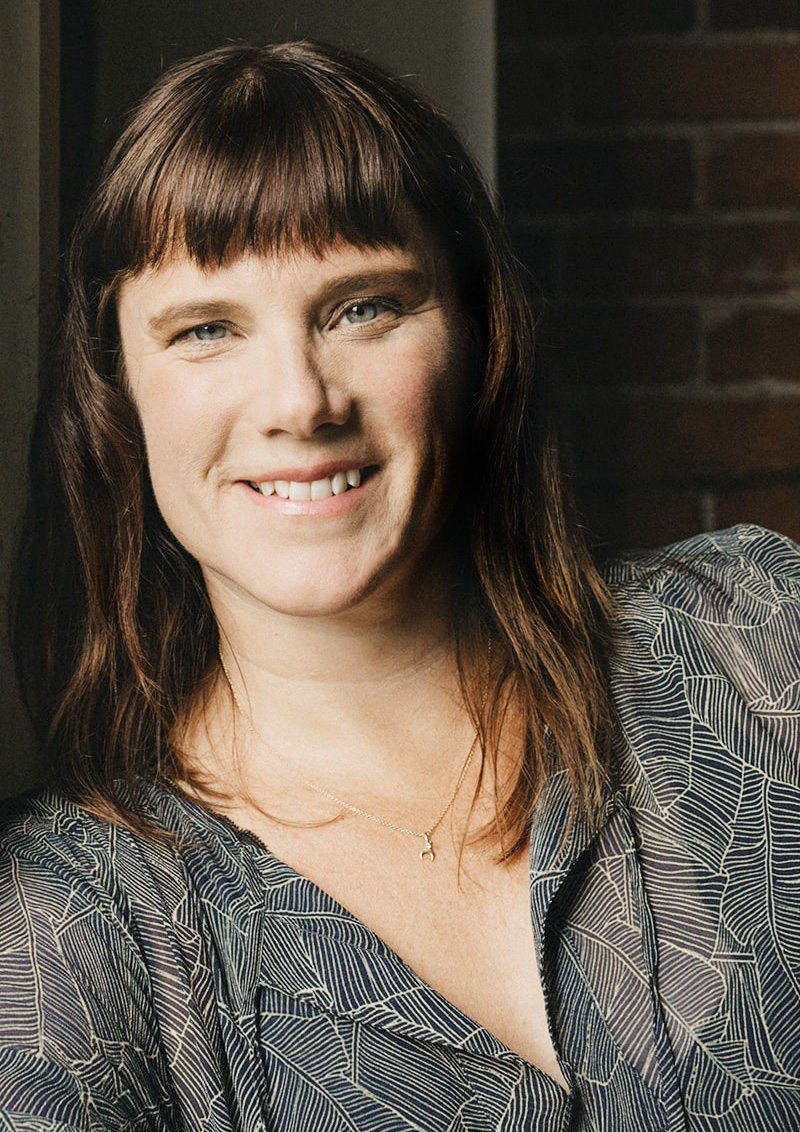
Research Affiliate (Fringe Natures)
Tara Nicholson is a Canadian artist with a site-specific, photo-based practice that explores ecological activism. She has exhibited across Canada including the Art Gallery of Victoria (BC), Modern Fuel (ON), the Burnaby Art Gallery (BC), the Oxygen Art Centre (BC), Parisian Laundry Gallerie (PQ) and at Gallery 44 (ON, 2023) while receiving funding from the BC Arts Council and Canada Council. She attended ‘Earthed’ an international eco-art residency at the Banff Centre (2019, AB) and was awarded the Künstlerhaus Dortmund (DE) Artist-in-Residence Award (2017). Since 2013, she has taught at the University of Victoria and holds degrees from Ryerson University (BFA), Concordia University (MFA), and UBC (PostDip). In 2020, Nicholson commenced her PhD at UBC Okanagan (SSHRC funded) to document climate research within the Arctic while examining Critical Animal & Extinction Studies, Decolonial and Feminist Readings of Science & Technology and the role of art to produce change.
Read more about Tara’s work in this FEELed Note with reflections on her experience of convening a Fringe Nature session.
Haida Gaede

Cultivating Environmental Attention Project Team Member
Haida Gaede (she/her; pronounced HI-dah GAY-dee) is a learner, teacher, and mental health therapist born and raised in the unceded ancestral territory of the Syilx Okanagan People. She graduated in the early 2010s with her BA and BEd from UBC Vancouver, and recently completed her Master of Social Work Degree at UBC’s Okanagan campus. Haida sees social justice and environmental justice as being intrinsically intertwined, and is engaged in ongoing explorations of practicing from abolition feminist and intersectional environmentalist frameworks, particularly through an arts-integrated lens.
In 2023, she is working toward being able to offer Canine Assisted Therapy with her therapy pup in-training, Bert. Haida is also taking steps to expand her mutual aid initiative called “The Okanagan Period Pantry”, which offers free and unrestricted access to menstrual products for folks living in Kelowna and the surrounding areas.
Jennifer Hamilton

Research Affiliate
Jennifer Hamilton (she/they) lives and works on Anaiwan Country in the northern tablelands of NSW, Australia. She is a Senior Lecturer in English Literary Studies at the University of New England. Prior to taking on this role she worked with Astrida at the University of Sydney as a Postdoctoral Research Associate. Her research uses a combo of literary studies, queer/feminist/anti-colonial theory, creative practice and community economies methods to explore weather, housework and affect.
Jennifer was a Visiting Scholar at the Lab from January-March 2023.
Read more about Jennifer’s stay at the Lab in this FEELed Note with her reflections.
Zeinab Omar

FIRE + WATER Team Member
Zeinab (she/her) is an undergraduate student majoring in Gender, Women and Sexuality Studies with a minor in Psychology at UBCO. Her family immigrated from Somalia to Toronto (Tkaronto), Ontario, where she was born and raised. She previously attended the University of Toronto where she completed the first two years of her degree before transferring to UBCO. She currently resides on the traditional, ancestral, and unceded territory of the Syilx Okanagan Nation; she recently joined the FEELed Lab as a research assistant to help conceptualize, plan, and convene the 2023 Fire + Water symposium. In the near future, she hopes to attend law school to become a practicing family lawyer.
Rebecca Macklin
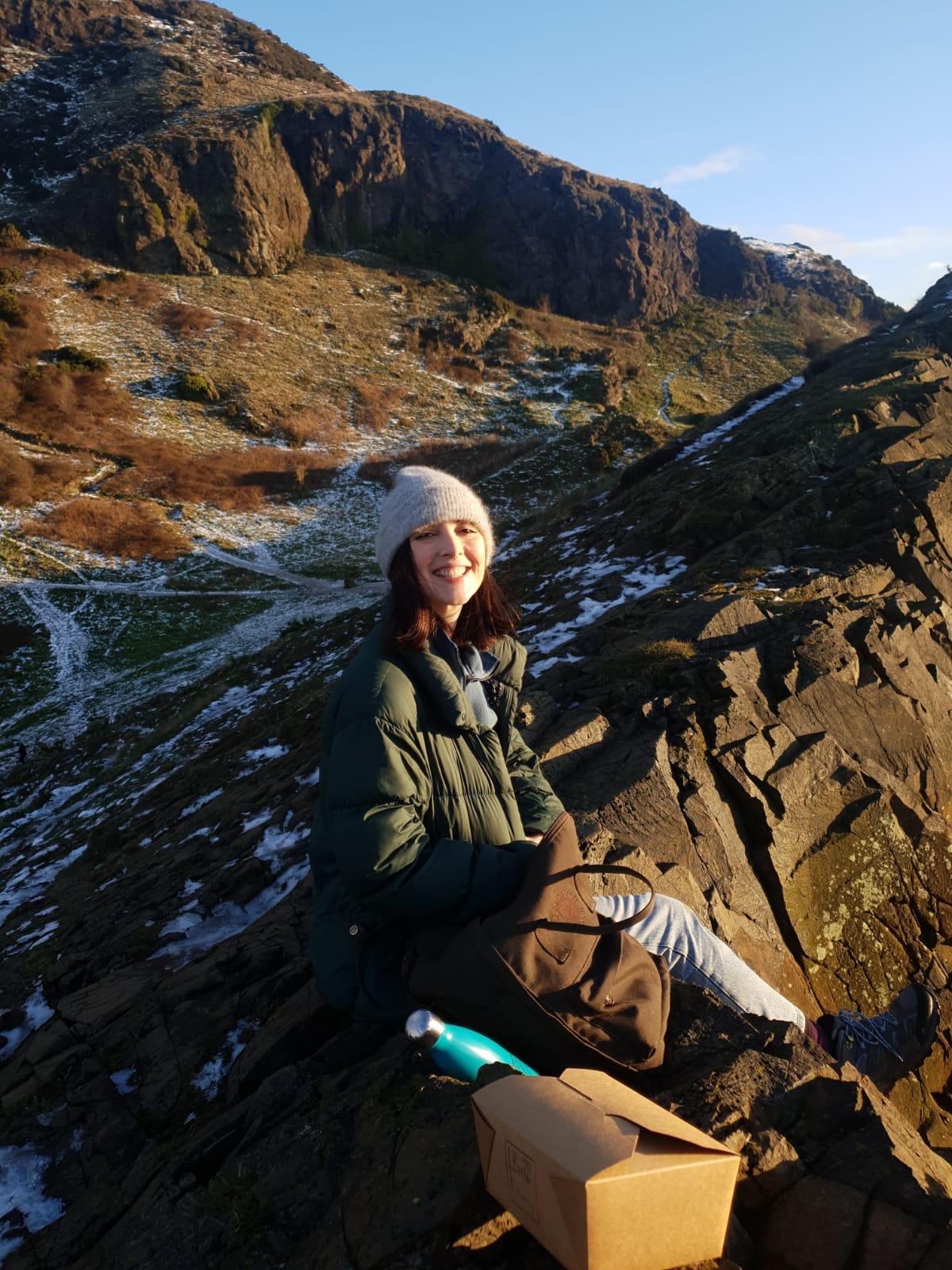
Visiting Scholar
Dr. Rebecca Macklin (she/her) is a Leverhulme Early Career Fellow at the University of Edinburgh. Her current research project examines literary and cultural engagements with gender, Indigeneity and the extractive industries. She will be a Visiting Scholar at the FEELed Lab in March and April 2023, working on her project “Resisting Toxic Climates.” She will be presenting this work as part of the FCCS Research Series on 31 March, which all are welcome to attend.
Therese Keogh
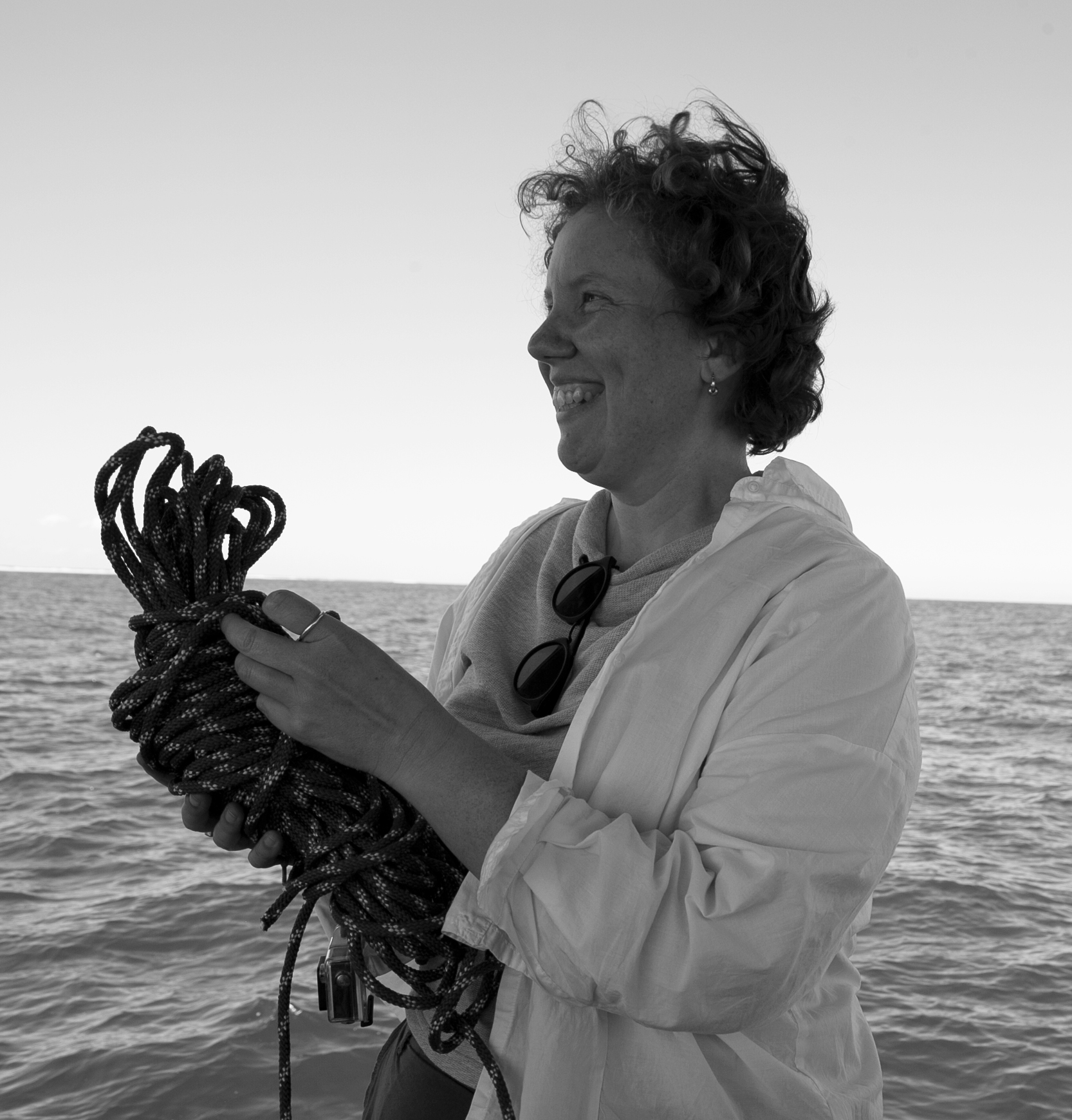
Visiting Artist and Researcher, University of Melbourne
Therese Keogh is an artist and writer living on Boon Wurrung and Wurundjeri Country. Her practice operates at intersections between sculpture, geography, and landscape architecture, to produce multilayered projects exploring the socio-political and material conditions of narrative and knowledge production. Therese works collaboratively through writing and research projects, and is invested in collective imaginaries as a process of creating more just relations to land.
Therese was a Visiting Artist-Scholar at the Lab January-May 2023.
Read more about Therese’s time at the Lab in this FEELed Note with her reflections.
Natalie Rice

Researcher in / of / on Place /FEELed Librarian (2022-23)
Natalie Rice holds a Master of Fine Arts degree from the University of British Columbia, Okanagan. She has been published by Gaspereau Press: Devil’s Whim Chapbook Series, The Trumpeter: Journal of Ecosophy, Event Magazine, The Dalhousie Review, The Malahat Review, Contemporary Verse Two, Terrain.org and others. Her full-length collection of poetry, “Scorch” will be published by Gaspereau Press in spring 2023. Her creative research / eco-poetics explores how language can generate a non-linguistic knowing of the natural world and does this challengingly and paradoxically through the use of language. She lives in Kelowna, British Columbia and the Bow Valley, Alberta.
Rebecca Ryall

Research Affiliate (Littoral Listening)
Rebecca (she/her) is a PhD student with Flinders University, Adelaide, Australia, whose research interests include people-place relationships and dialogue with the more-than-human. Her field of study encompasses the Nightcap National Park and her forest home in northern NSW Australia – both situated on the unceded lands of the Widjabul:Waibul peoples.
Read more about Rebecca’s work in this FEELed Note with reflections on her experience of convening a Littoral Listening session.
Olga Koroleva
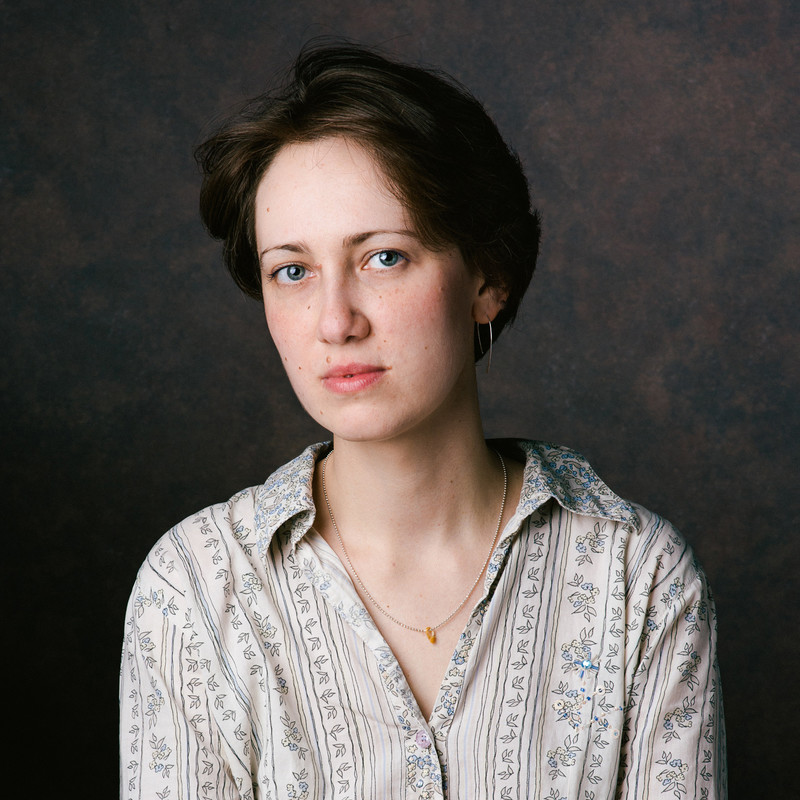
Research Affiliate (Littoral Listening)
Olga F. Koroleva is a UK-based artist – curator – un-academic researcher – forager – lecturer. Her work honours slow practice and self-care while exploring ways of non-exploitative cohabitation with multiple others on this planet. She works primarily with expanded research cinema, and is the founder of the international peer group The Political Animal. She has previously taught at The Royal College of Art, London, The School of Art, Architecture and Design at London Metropolitan University, Wimbledon College of Arts, Chelsea College of Art and Design, and Bucknell University, PA, US. Her recent work has been made possible with funding from the Arts Council England. Her moving image work has been exhibited nationally and internationally, and original written work commissioned for Ocean Archive, TBA21-Academy and CSPA Quarterly.
Read Olga’s full research profile here and more about their work in this FEELed Note with reflections on their experience of convening a Littoral Listening session.
Irene Trejo
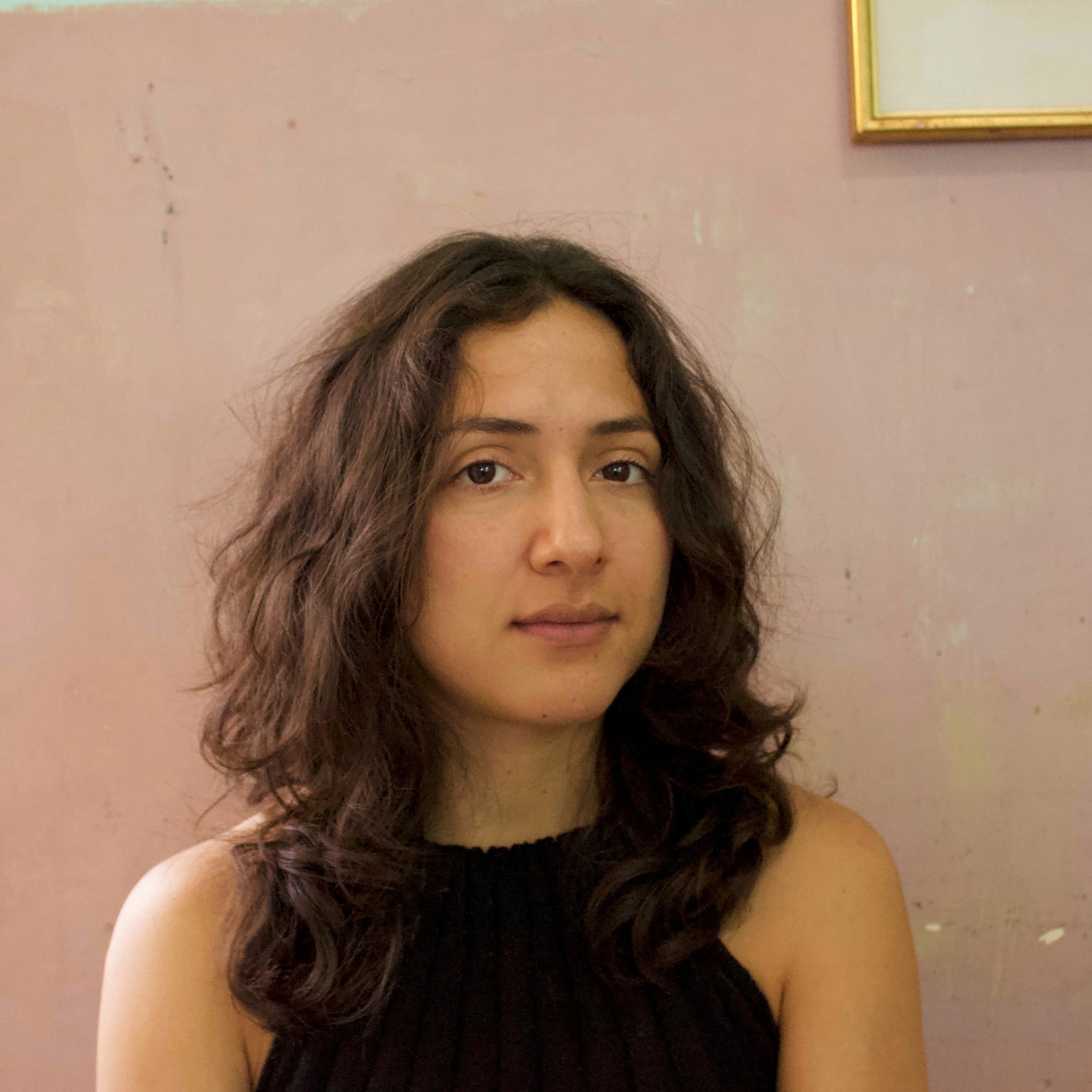
Research Affiliate (Littoral Listening)
Transdisciplinary poet, journalist and editor from Mexico, currently exploring inhabiting different lands. Her work focuses on the investigation of relational practices and ecosomatics within the interaction and limits of bodies, possibility, identity, poetry, sound, space-time, and different disciplines and processes of creation. She is co-founder of Poesía sin Muros (Poetry Without Borders) and waters Fluid Ecotonalism, as well as its strands. She studied music and dance while growing up and has degrees in Digital Media and Investigative Journalism from UB and Columbia NY. She also studied Direction in Independent Experimental Film. She was part of the artistic program IMÁN exploring the concept of voice in 2020. In the summer of 2021, she published her first book of poetry – also documenting some of her video and performative pieces – titled “Rendirse to Resist” with the independent publishing house Aire. She is part of the educational program and scholarship “Ladridos” 2023. And is an enthusiastic autodidact and collaborator.
Read Irene’s full researcher profile in this FEELed Note.
Madeline (Madi) Donald
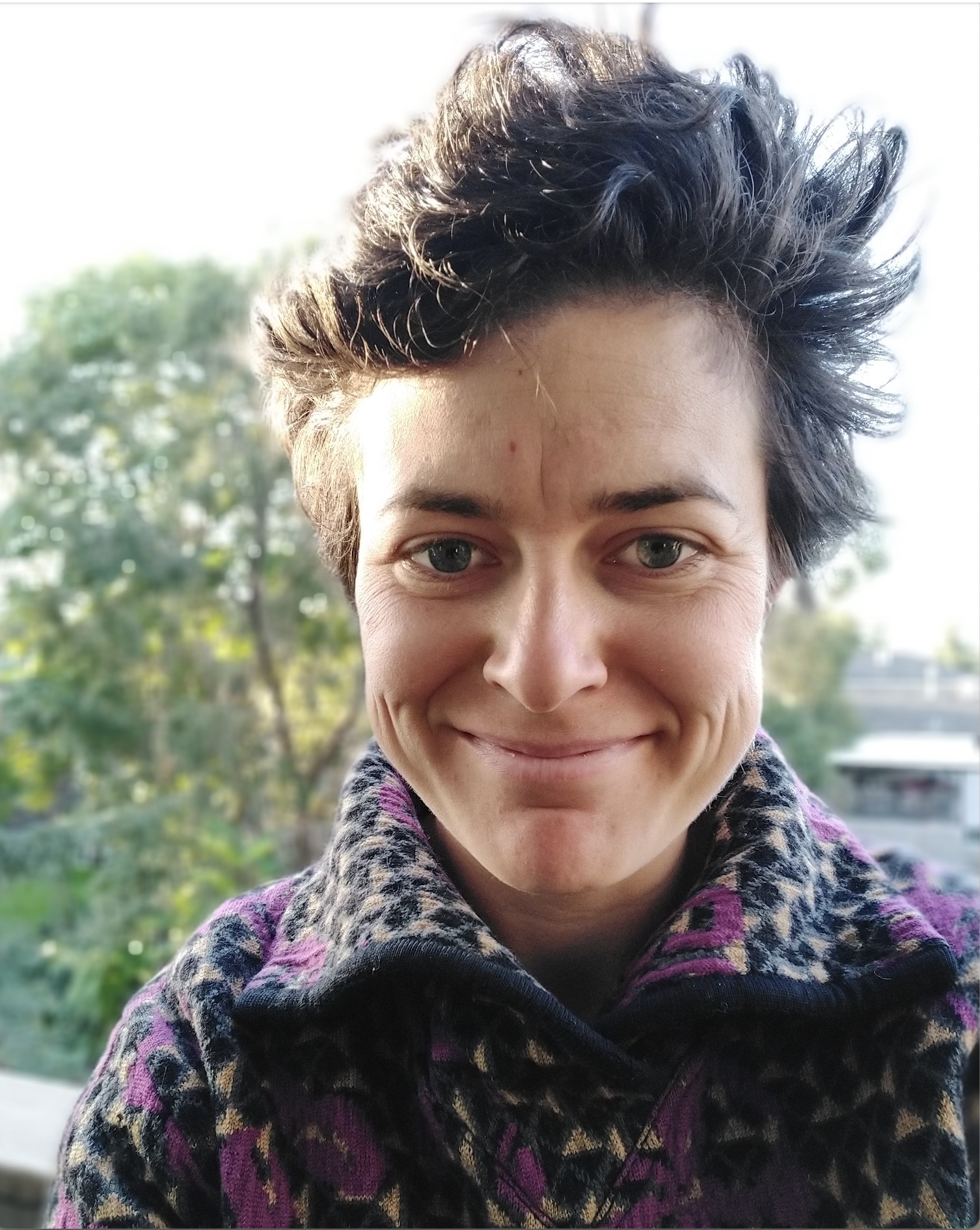
Research Affiliate (Littoral Listening)
Madeline (Madi) is working on a PhD project that is grounded in relational research methodologies, saturated by the riparian habitats of the Okanagan watershed, and leaning ethnoecologically. In her research Madi is interested in the interaction possibilities that humans perceive in relation with plants in their quotidian environments. This is a process of coming to understand how fields of perceived interaction possibilities, or landscapes of (botanical) affordances, structure and are structured by assertions of value. Madi supported the recurring launches and L/landings of the FEELed Lab as the inaugural Research Associate (2021-2022).
Emilie Ovenden
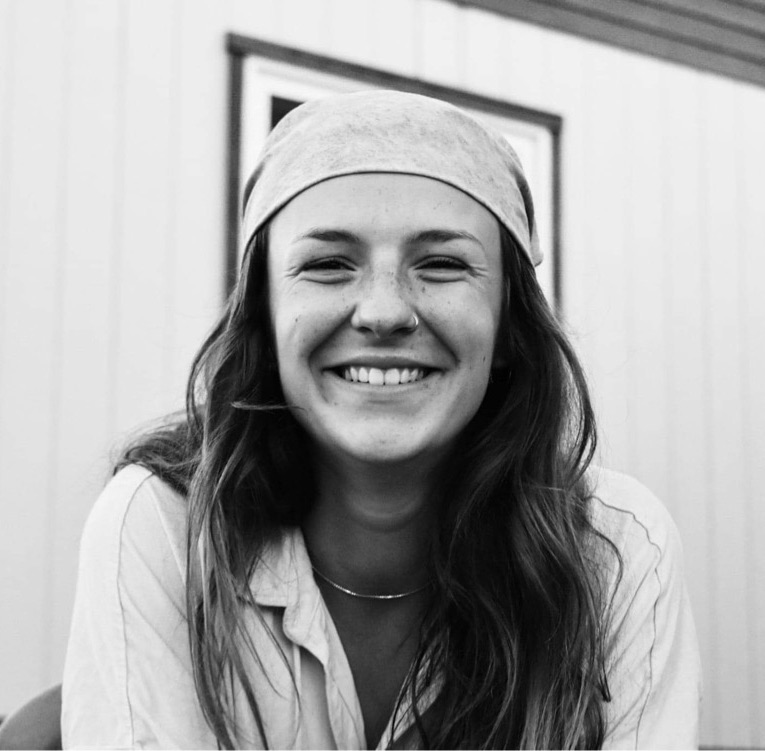
ALT 2040 Project Team Member
Émilie (she/her) is an MA student in Interdisciplinary Graduate Studies at UBCO. She is a settler, born and raised in Montréal (Tiohtià:ke), Québec, but currently residing on the unceded land of the Syilx (Okanagan) People. She joined the FEELed Lab as a research assistant to support the development of a new course in environmental humanities methods. Her own graduate research focuses on carbon offsetting through community forestry as climate adaptation.
 The FEELed lab