
On October 18 we convened our first event of the year at the FEELed Lab as part of our “Craft-a-strophe!” series. As the name suggests, this series uses making things (“craft”) and thinking with poetry (“strophe” is a technical word for part of a poem) as a way to feel our way into the catastrophes of our time – colonialism, climate change, and capitalism, as some notable c-words.
Our theme for this autumnal event was “cooling down.” As we asked in the invitation to the event: given that thermal management is instituted as a tool of settler colonialism, “what alternative, gentler and more relational ways of ‘cooling down’ might we imagine and enact together?” In the aftermath of a summer of wildfire that is part of settler colonial fall-out, how do we move into different relationships with heat and cold? “Can we take a cue from the plants and the animals, and find a way to greet the changing daily rhythms with purpose, but still gently?”
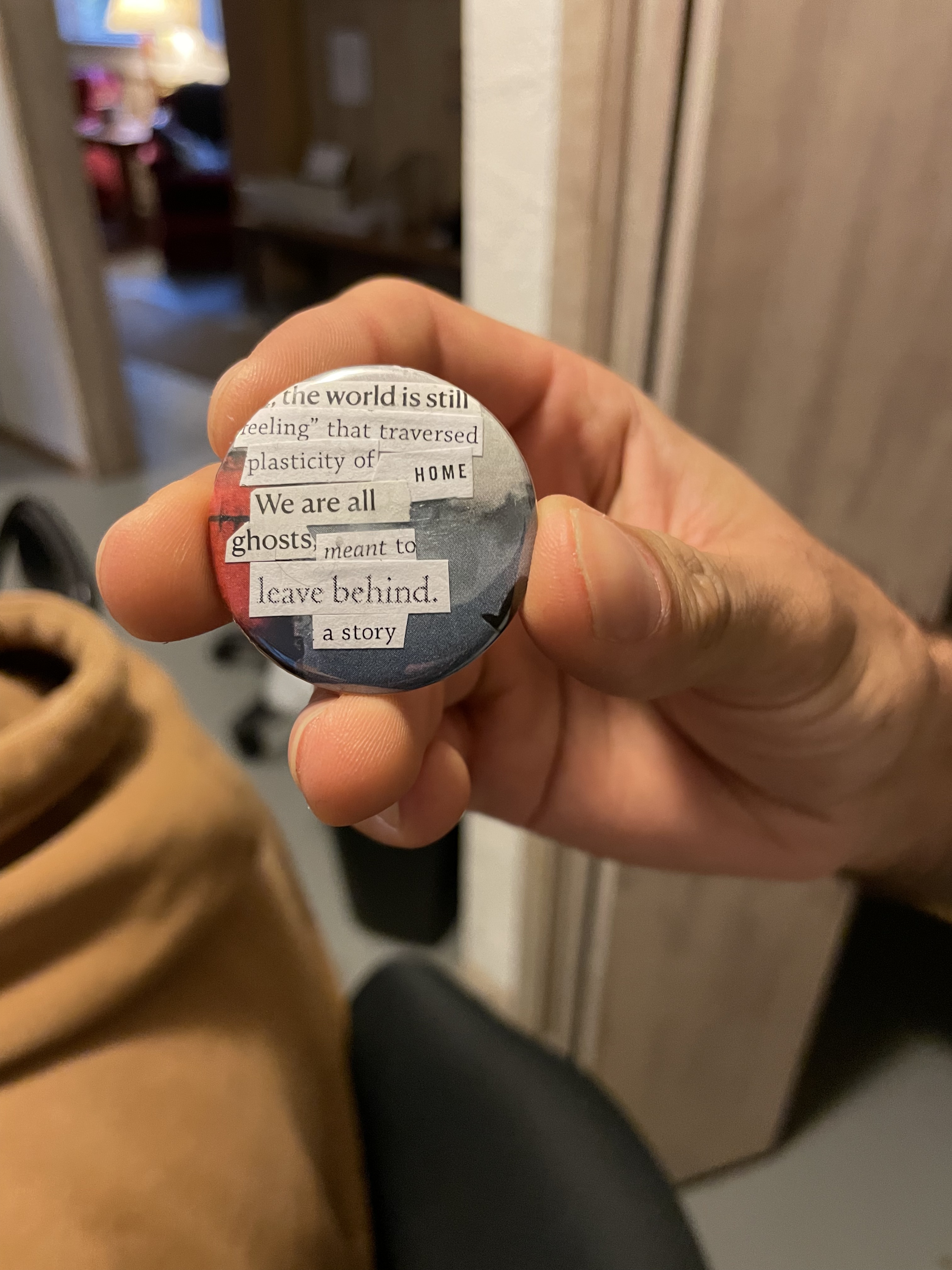
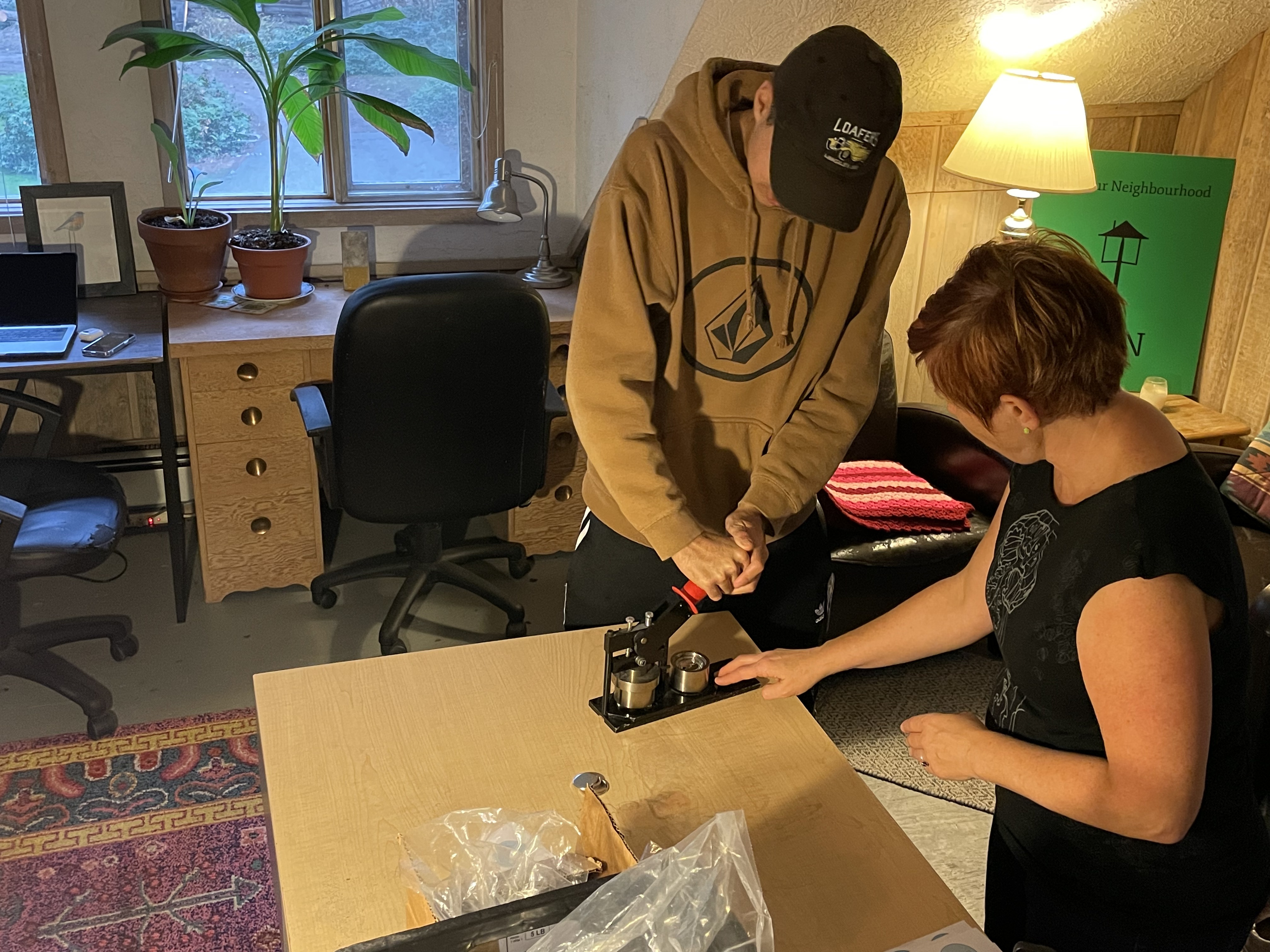
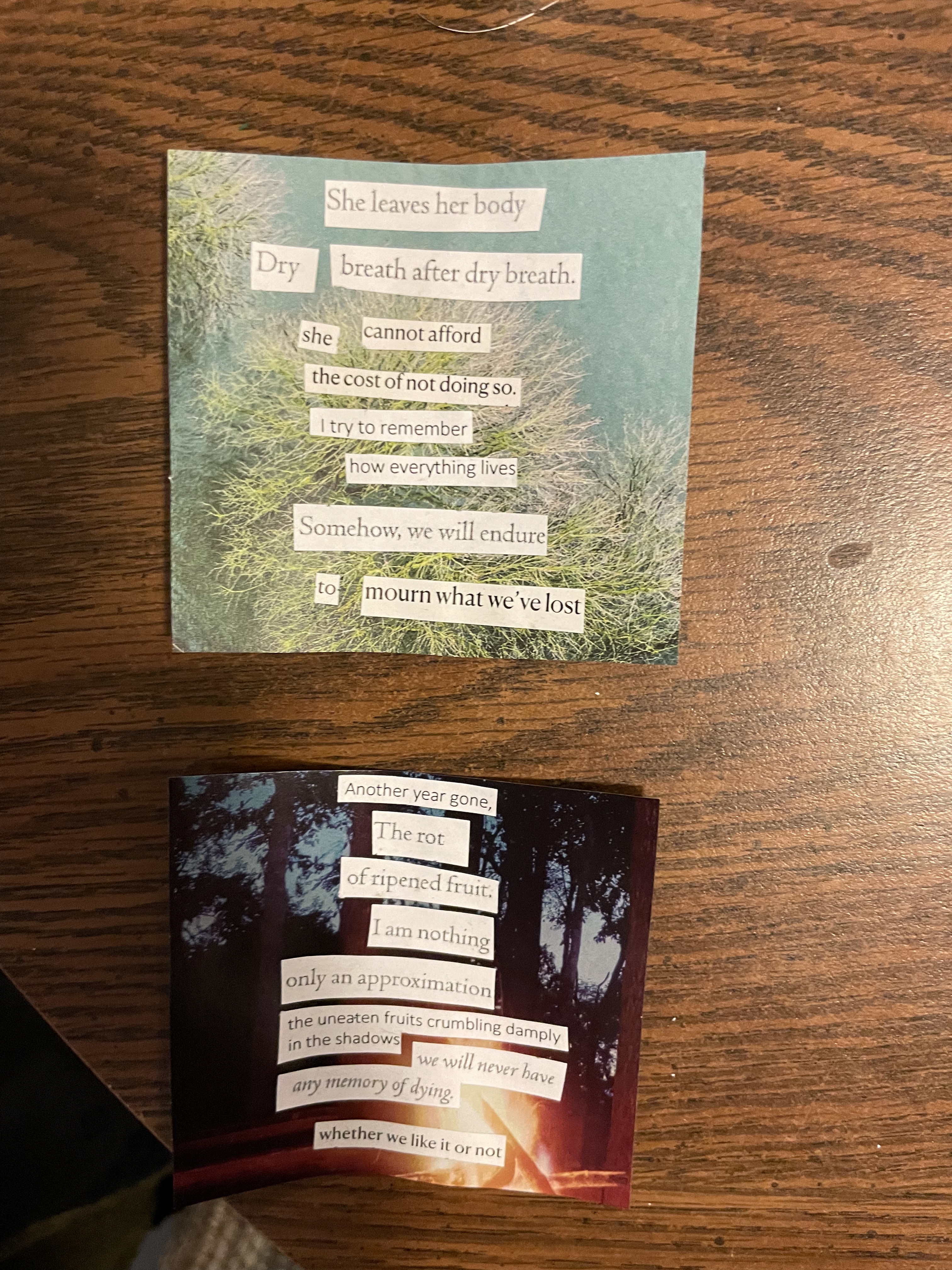
We read some new very local poetry by FEELed Lab alumna Natalie Rice, and a classic by Mary Oliver, and a portion of a text on “cooling the tropics” by Julia Kawehipuaakahaopulani Hobart out loud. Then, using print outs of those poems we cut and pasted our own micro-poems, turning them into buttons under the helpful guidance of Shauna at the button-making machine!
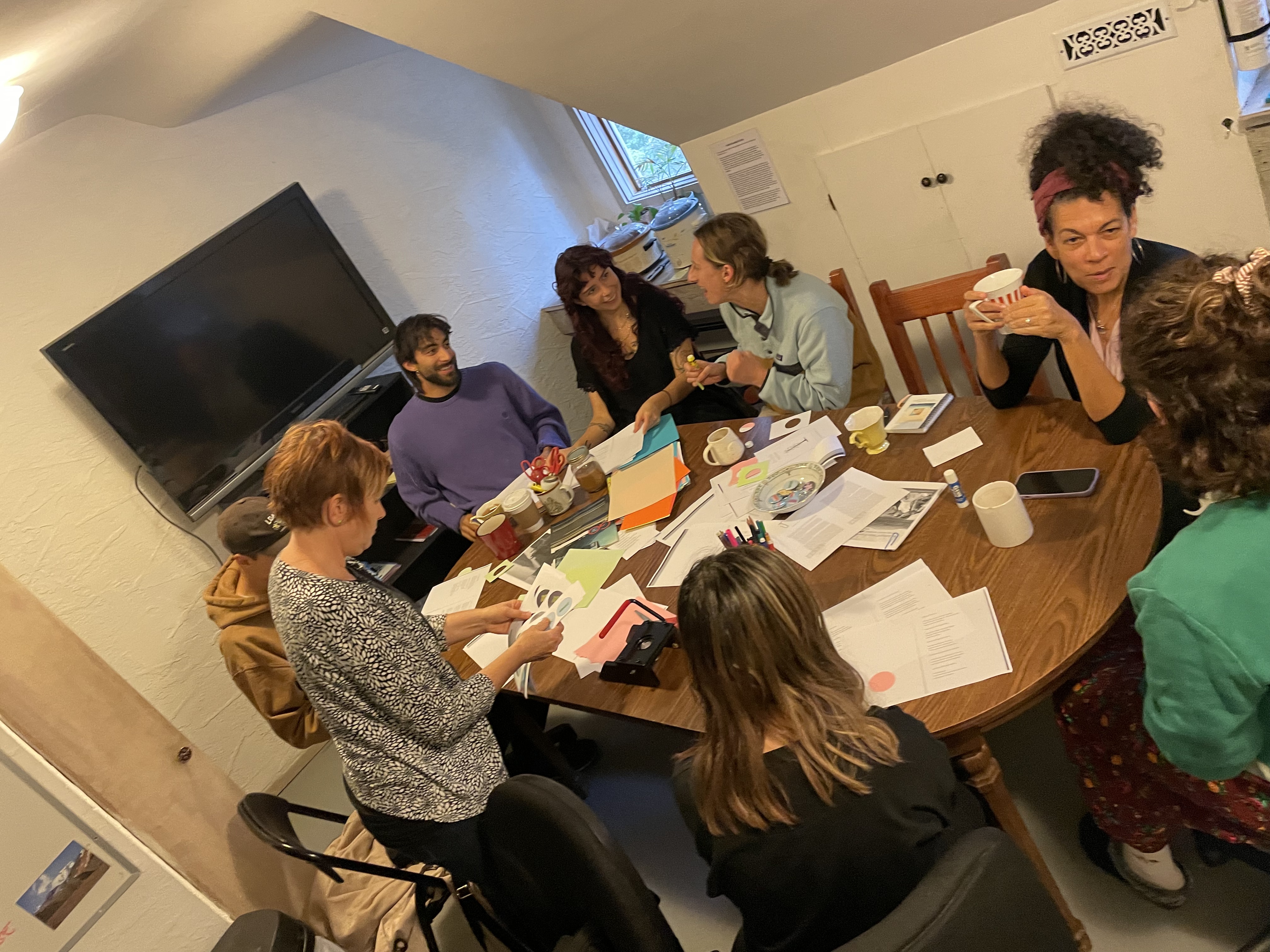
This afternoon event – fuelled by cider, chai, cake, chocolate, and carrots (very different c-words than those ones noted above) – brought unfamiliar faces to the lab. Around a table of creative hearts and busy hands, we met new people and heard new stories. Small snippets of intimate curiosity were made manifest.
I have come to understand FEELed Lab events as “climate change mitigation infrastructures” where through coming together, across our differences, and with loosely aligned curiosities and commitments, we can change the climate in another way altogether. (You can read more about this theory of climate change mitigation in this article on “Feminist Infrastructures for Better Weathering” that i co-wrote with my colleagues Jen and Tessa.)
In this context, I am also starting to think about the place of the FEELed Lab as a microclimate itself – where different kinds of weather patterns swirl. “Cooling down” is in fact something we try to do in different ways all the time – check out the Very Important Meetings that FEELed Lab Adminsitrator Dani Pierson is organizing, for example! These meetings will be a way to create microclimates of rest amidst colonial pressures of productivity and progress-time.
I also note that the FEELed Lab is physically situated on unceded syilx lands (in a place also now referred to as Woodhaven Regional Park) where there is also a kind of ‘microclimate’ in the form of a unique ecosystem where firs, pines, cottonwoods and cedars all meet; I thought about our obligation to care for this place, and tend to its specificity.
I also thought of other amazing microclimates I have been able to be part of recently. One was the truly inspirational (online!) space created by IndigenEYEZ as part of their kinSHIFT seminars, where their facilitators guided us in ways to be comfortable with discomfort of decolonization, and all it demands of each of us, differently. It was indeed a very special microclimate carved out from the more typical climate of ZOOM-based interactions.
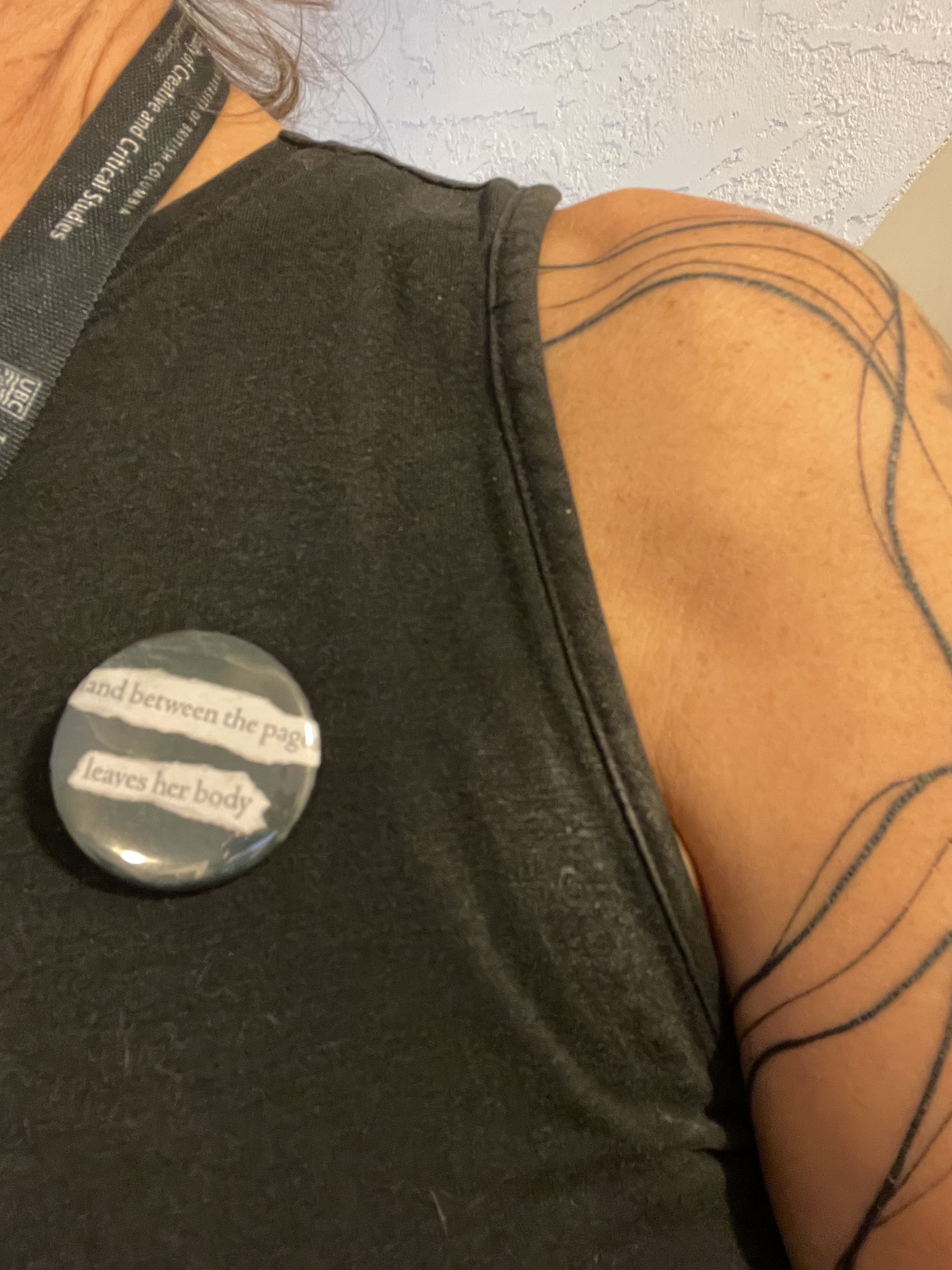
What if we all committed to building more of these microclimates? What if microclimates of rest, creativity, togetherness and responsivity could proliferate and multiply? These would all be specific to their place, and specific to the obligations that its different participants hold. I dream of an abundance of microclimates! What kind of climate changes might we bring about with this kind of “microclimate-diversity”?
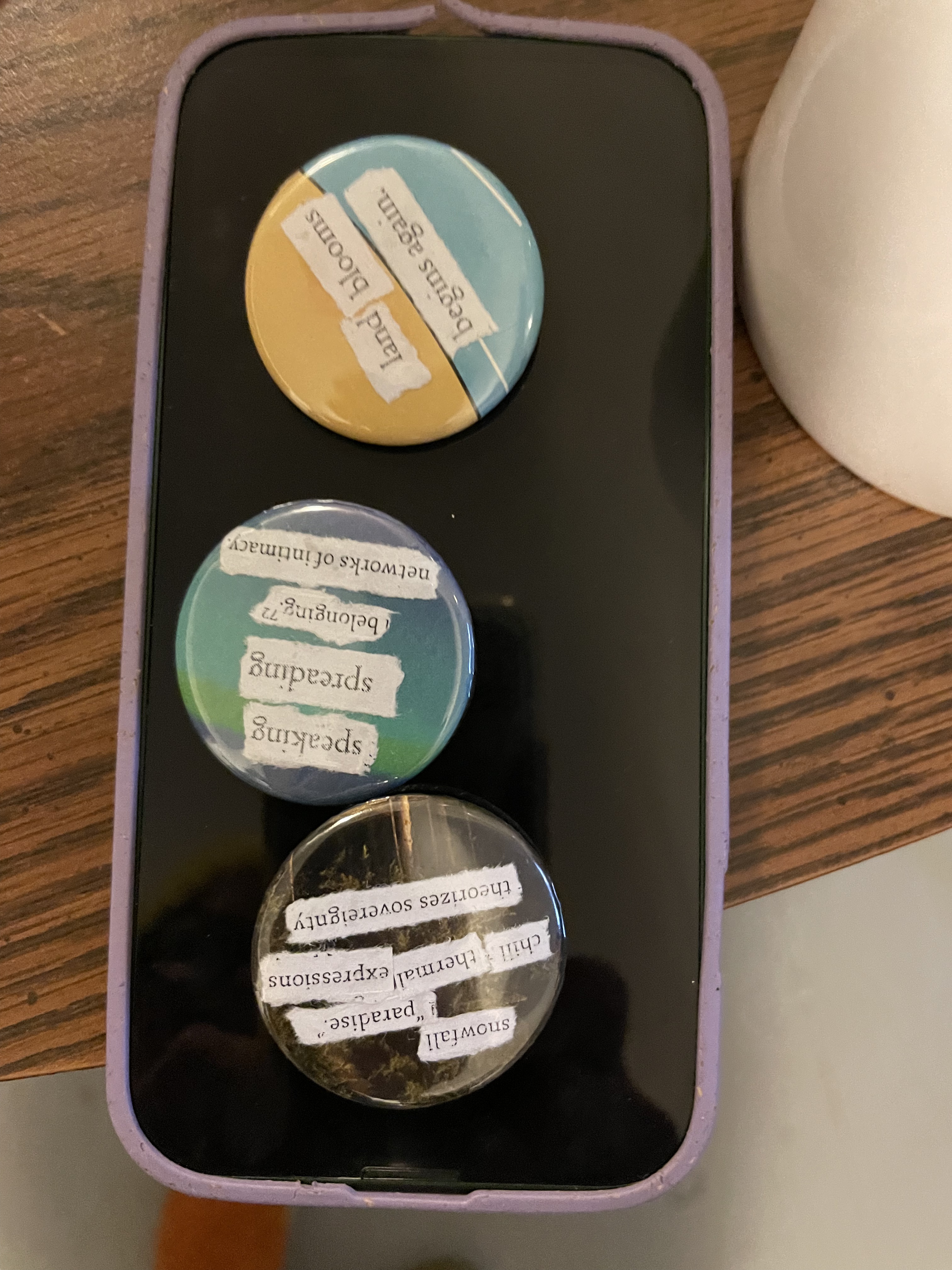
 The FEELed lab