
A contribution from FEELed Lab Director, Astrida Neimanis.
Since its inception, the FEELed Lab has been about building community and sharing the kinds of thinking, making and doing that happens in a very situated way (even when on ZOOM) at the Lab. I also have a pretty robust research program that I used to think was “beyond” or “outside of” my work at the FEELed Lab. But as it turns out, the FEELed Lab is a “process incubator” (I made that up) that continuously allows me to experiment in ways of doing research in the company of others: experimentally, in practice-led ways, foregrounding different kinds of knowing, centering the wellbeing of researchers and this place, interrupting academic “business as usual,” and gently reflecting on failures, missteps, and ways things could have gone differently.
So I realize that the FEELed Lab is part of all the research I do. In that spirit, as another year turns the corner and I reflect on the one just past, I wanted to share some of my other ongoing projects with the FEELed Lab community. Perhaps this will open further opportunities for collaboration, even if that is simply means more conversations and informal exchanges.
Reading Group as Feminist Method: This project and new publication stems from my 8-year long collaboration (and friendship) with Jennifer Hamilton. Together we convened the COMPOSTING reading and research group for many years! While that project went into hibernation when I moved to Kelowna, Jen and I had already initiated a small project in 2020 about the value of feminist environmental reading groups in Australia.
Alongside Mindy Blaise (initiator of the Edith’s Reading Group), Hayley Singer (who started Ecofeminist Fridays) and Jimmy Gardiner (a PhD student researching queer reading groups), we undertook a survey of everyone who was involved in these groups and our recently published paper attends to the many things we learned. That paper also includes a description of one of my favourite creative data analysis methods: the transversal poem! You can read it here (it’s open access!)

(Jen and I are also looking forward to the publication of another co-authored chapter later this year that explores “composting” as a concept in the context of the new “Informatics of Domination”in a book co-edited by Melody Jue, Zach Blas and Jenny Rhee.)
Learning Endings: Since 2020 I have also been involved in a truly life-changing project called Learning Endings with LA-based artist Patty Chang and Sweden-based veterinary pathologist Aleksija Neimanis (who is also my sister). This is an arts-science collaboration that tries to understand death, extinction and endings from the perspective of scientists who perform necropsies on dead marine mammals. This project has taught me so much: about death, ritual, touch, the value of artistic methods, the sweaty labour of collaboration where everyone’s (very different) insights and values can be considered, and confronting my own assumptions about western science.
Some things to emerge from this project include a community walkshop organized in collaboration with the Henry Art Gallery in Seattle; a gallery show at the Neuberger Museum in Purchase, New York, and a number of performance lectures (one of the original lectures, “Care for the Stranded” I did from this project can be watched here.)
Through this project I also got to work with some amazing people, including Jamie Wang, Anne Bourne, Sue Reid and Tara Nicholson. (Tara, a PhD student at UBCO, also curated some FEELEd Lab events last year, and Anne and Sue will both be joining the FEELed Lab as visitors later this Spring!)


Climate and Colonialism: In 2023 I became part of the “Climate and Colonialism” working group at the Paul Mellon Centre in London, UK. In collaboration with Sria Chatterjee, we are building networks and supporting research into the ways that art and creative research interrogate and expose the connections between colonialism and climate change.
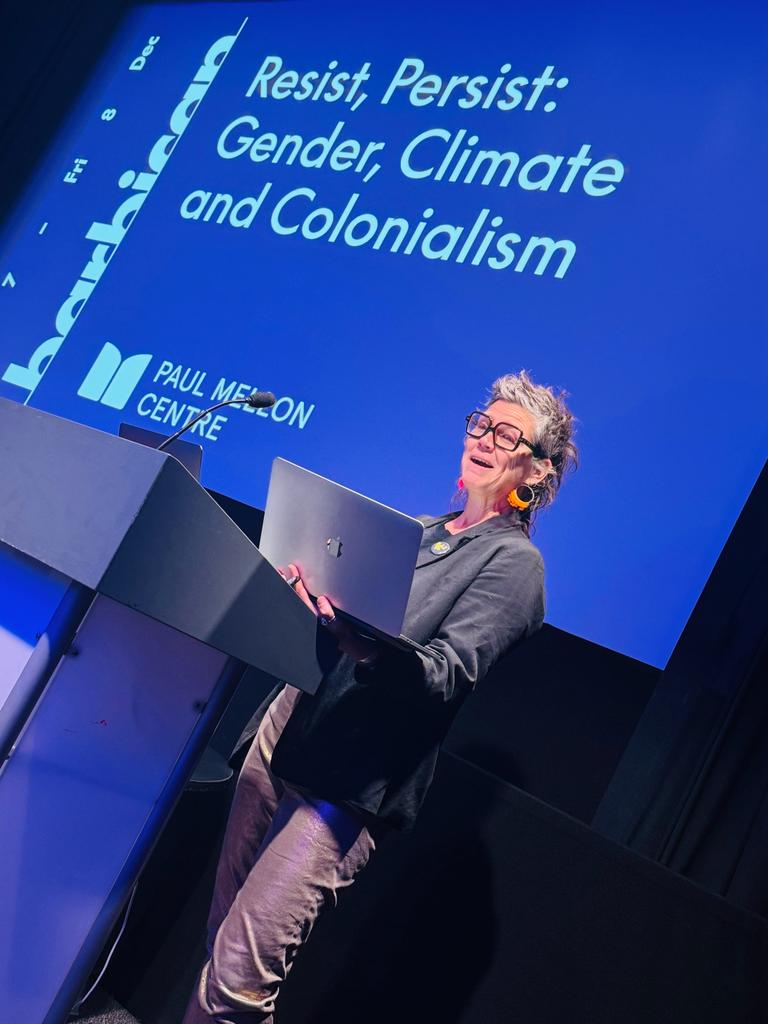
Our first big collaboration was convening a two-day symposium in London called “Resist, Persist: Gender, Climate and Colonialism” together with the Barbican Centre London, who are currently showing “Re/Sisters: A Lens on Gender and Ecology” which is a major exhibition showing contemporary work from around the globe related to feminism and ecology.
This symposium was also a chance for me to meet Buhle Frances, one of a group of scholars and activists in South Africa who have been actively extending my concept of hydrofeminism, too. I am looking forward to getting my hands on a new edited collection that gathers their work, for which I also had the privilege of writing a preface.

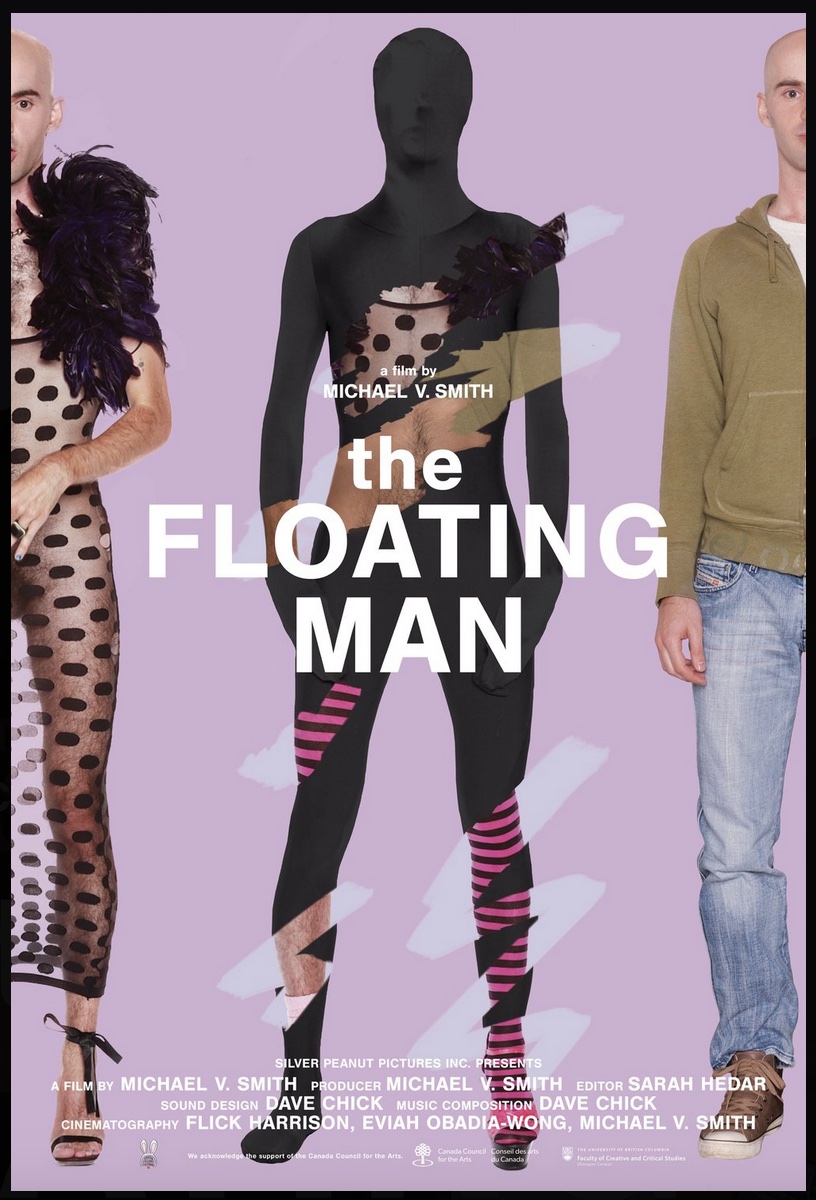
Biodiversities of Gender: After seeing an advance screening of Prof Michael V Smith’s incredible film The Floating Man last year, I made a bee-line to him and screamed: WE HAVE TO COLLABORATE! Michael’s gorgeous and tender insights into the relationship between gender and place (i.e. how our gender changes with our environmental context) connected deeply to my ongoing interests in queer ecologies and “gender as genre” – something I’ve already written (and performed) a bit about with my colleague Sue Reid in the form of “Multibeing Drag Rift” at two different symposia in Australia last year.
Michael and I transformed our overlapping interests (and desire to work together) into a grant application, and we were successful! Biodiversities of Gender is now a pilot project that explores gender abundance as climate change mitigation via queer-feminist creative methods, funded by a small SSHRC Explore and Exchange! Read more here.
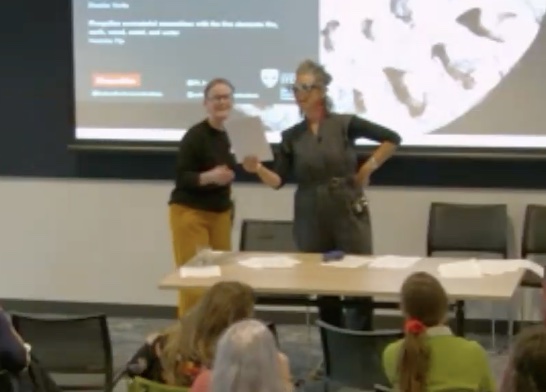
Weathering: I helped found the Weathering Collective in 2015. We are a group of artists and writers who have been exploring weather and climate change from practice-led, feminist and artistic perspectives. Lately, the collective has primarily consisted of me, Jen Hamilton and Tessa Zettel. We are super excited that we have just signed a contract with Bloomsbury to turn this work into a book. Jen and I will be writing Weathering Together: Feminist Lessons for Climate Change and Tessa will be doing the bespoke illustrations. If all goes well, we look forward to launching it in late 2025! Meanwhile we are still organizing lots of workshops, including this upcoming one I am doing in Amsterdam next month as part of the Sonic Acts festival. (Jen and I were also really happy to share this research about a year ago in Vancouver, hosted by IRES and the Gender, Race and Social Justice Institute).
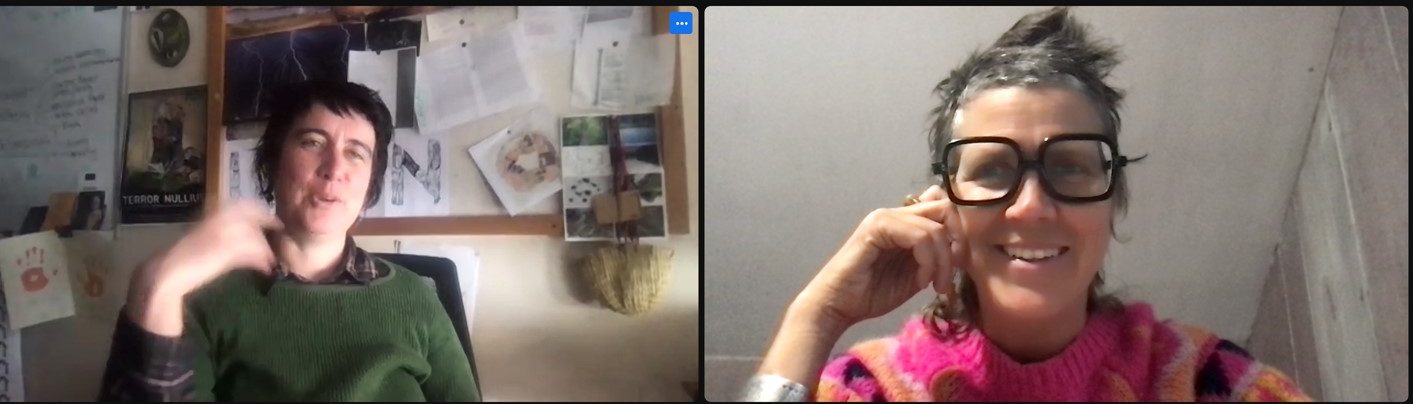
Everyday Militarisms Everyday militarisms is a project initiated by me, Tess Lea and Caren Kaplan about 5 years ago in Sydney, Australia. An exploration of the militarization of everyday life, this project led to many collaborative events and publications. The most recent was a special section in the journal Catalyst on “The Domestication of War” published last year. If you are curious about the connections of everything from Teflon, biscuits and ladybugs to children’s fashion and washing machines (plus much more) – check it out. I loved working with co-editors Xan Chacko, Diana Pardo Pedraza, Jenny Terry.
This project has also been a springboard to work on a seriously-playful artistic side project with my friend and colleague Lindsay Kelley. It involves nangs, nail polish, fishing line, golden syrup, GLAD wrap, and more. Stay tuned.


Ongoing work on Access and Inclusion in EH: Meanwhile, I have continued to enjoy working on the access and inclusion in place-based learning grant with Natalie, Daisy and Haida; and the new SSHRC IDG grant on Enhancing Access and Inclusion in EH Research with Emma, Matt, Jenica, Natalie and Rachelle.
A couple of the talks and events I have had the privilege of participating in last year included: a week-long artist residency at teh Belkin Gallery in Vancouver called Listening to Lhq’a:lets/Vancouver organized by Shelly Rosenblum, Dylan Robinson, and Michael Nardone, a talk called “Holdfast (Learning Feeling)” alongside Lotus Kang’s show as part of the public program of the Contemporary Art Gallery in Vancouver, and a number of others.
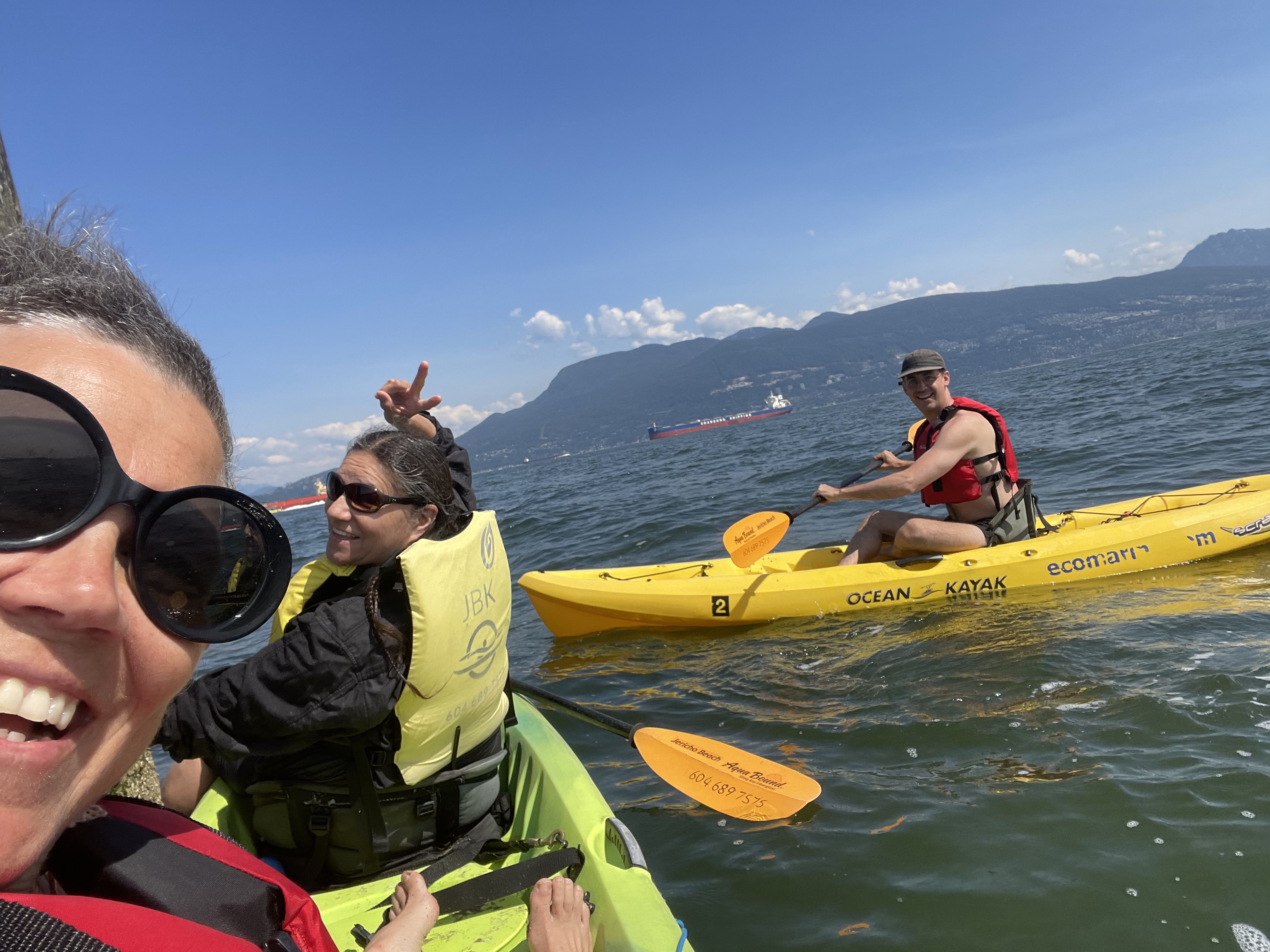
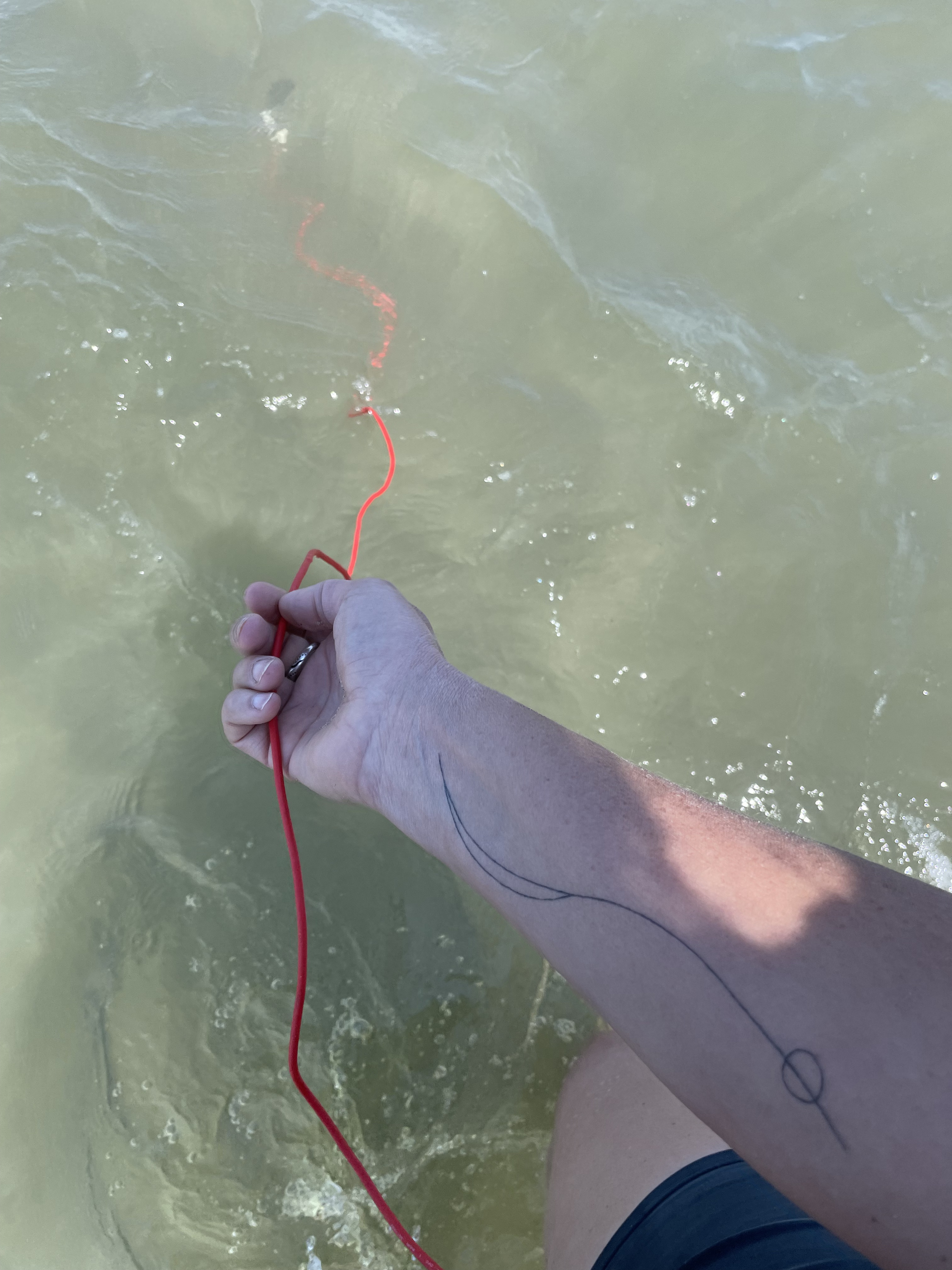
Other recent publications that aren’t attached to any of the above projects include: Breathing Climate Crises: Feminist Environmental Humanities and More-than-Human Witness (which I got to co-write with my amazing colleague and climate justice scholar Blanche Verlie) and Stygofaunal Worlds: Subterranean Estrangement and Otherwise Knowing for Multispecies Justice – that includes some practice-led theory on little creatures that live in the water seams of the earth, and what they can teach us about knowledge politics (that one’s not open access, so you can also download it here.)
And finally, I hope this year will give me the time I need to finally finish the book manuscript I have been working on for many years… My friend Lindsay told me I should write it as a “sequel” to Bodies of Water, which I thought was a hilarious and good idea. At the moment, the working title is Holdfast: The Feeling of Water. While some of the above projects will feature in various ways, it will also contain a wholly new chapter on a question that I can’t seem to figure out (= I need to write about it): mothers.
I have a few other applications in the works, so next year will bring new and exciting updates.
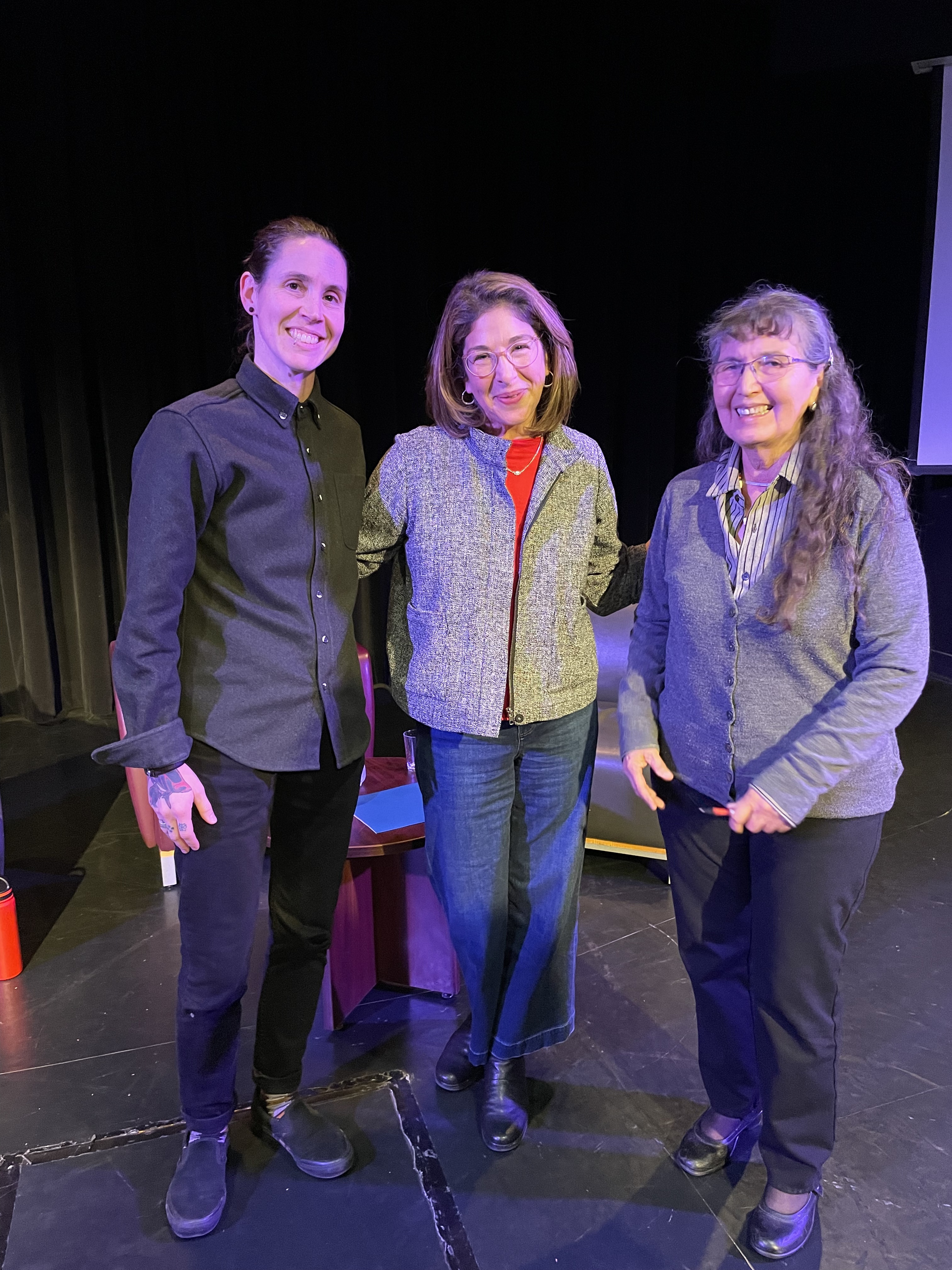
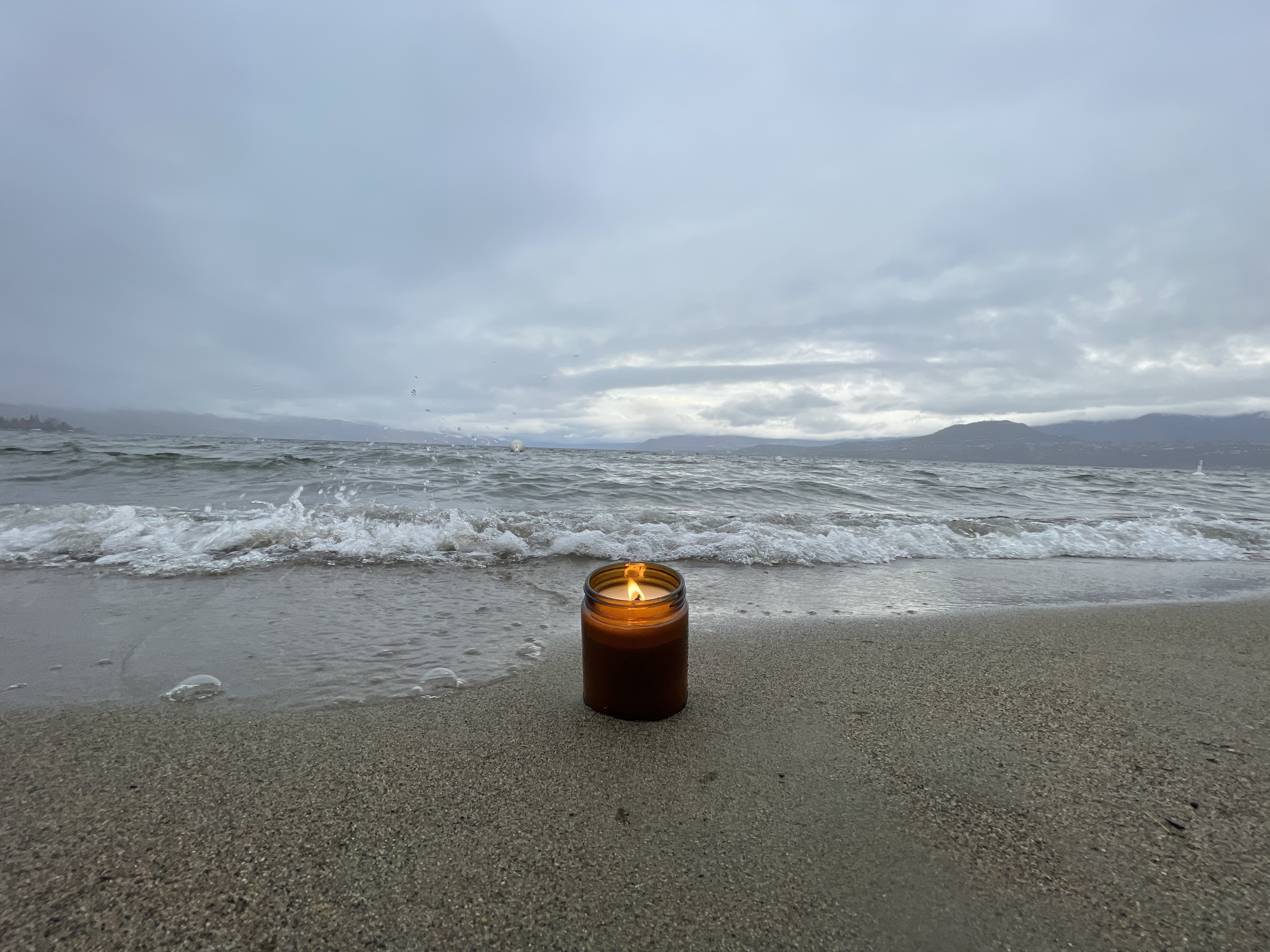
2023 was a difficult year of death on a personal level, and devastation on a planetary one. One of the most inspiring things I attended was the CCJ / CCGS-convened talk “Syilx-Led Climate Justice in a Global Context” by Jeannette Armstrong and Naomi Klein, which didn’t shy away from these things, but met them in a spirit of love, generosity, grace, courage and determination. Stop Killing Everything. I am so grateful to be in this community.

Stay tuned, and get in touch if you want to have conversations about any of the things above.
 The FEELed lab