This research blog post was prepared by FEELed Lab Director, Astrida Neimanis
“How do we vibrate the images we desire?”*
“How can we bring others into a story-thread of healing and resurgence?”*
“How do we compost or hospice ideas of the future that need to be let go of?”*
“How do we attend to the ‘dirty materiality’ of the (sometimes lofty) ideals of climate justice?”*
These are just some of the questions offered up by participants during a week-long retreat on feminist anticolonial climate justice, held on Anaiwan lands in the town of Armidale, in northern New South Wales Australia, in November 2025. This post collects some of my own reflections on our time together (noting that each participant will have their own way of telling this story!).
I’ve called this research blog “considering feminist and anticolonial climate justice in the upside-down” not only because it took place “Down Under,” on the opposite side of the globe, but also because it offered an ‘upside down’ way of thinking about typical academic conferences and seminars.
Backing up to late 2024, when my friend and colleague Dr Blanche Verlie (University of Sydney) approached me and Jennifer Mae Hamilton (my longtime collaborator and friend at UNE) about helping organize a climate justice event in Australia: pretty much the first thing we did was flip the script on what an academic event is supposed to be.
We knew – from our own experiences as researchers in the neoliberal academy, trying to do meaningful community-engaged work – that our biggest priority would not be listening to other academics’ academic papers. We could do that over zoom, or simply by exchanging papers. Instead, could we find time for the slow unfurling of difficult conversations? Could we prioritize thinking with and on the Land? We wanted opportunity to keep building trust across different kinds of researcher communities. We hoped for circumstances that could invite, rather than stifle, creative ways of asking and responding to questions. We wanted ways to invite folx who don’t primarily label the core of their work as “climate justice” into the conversation, in order to continue exploring what that term means and demands.
In response, the “Theory of (Climate) Change <-> Practice of (Climate) Change” retreat emerged. It included the gathering of a handful of academics, artists and activists, and our participation in a regional festival and a local art exhibit, visits on Country, a visit to a community garden, a community film screening, as well as cooking, eating, making art, writing, an open mic, and talking, walking, sitting, and talking, planning, talking and thinking, and processing, and talking.
This brief research blog cannot enumerate all of the ways in which our gathering moved (generously, joyfully, skeptically, critically, reparatively) towards our desires for different kinds of ‘academic events’ that could lead to different kinds of impacts. Outputs are still emerging. (Or more appropriately put: soils are still being prepared; tendrils are slowly creeping; new ways of continuing our discussion are rooting and growing. And some small early-season plants are already blooming!)
Highlights included:
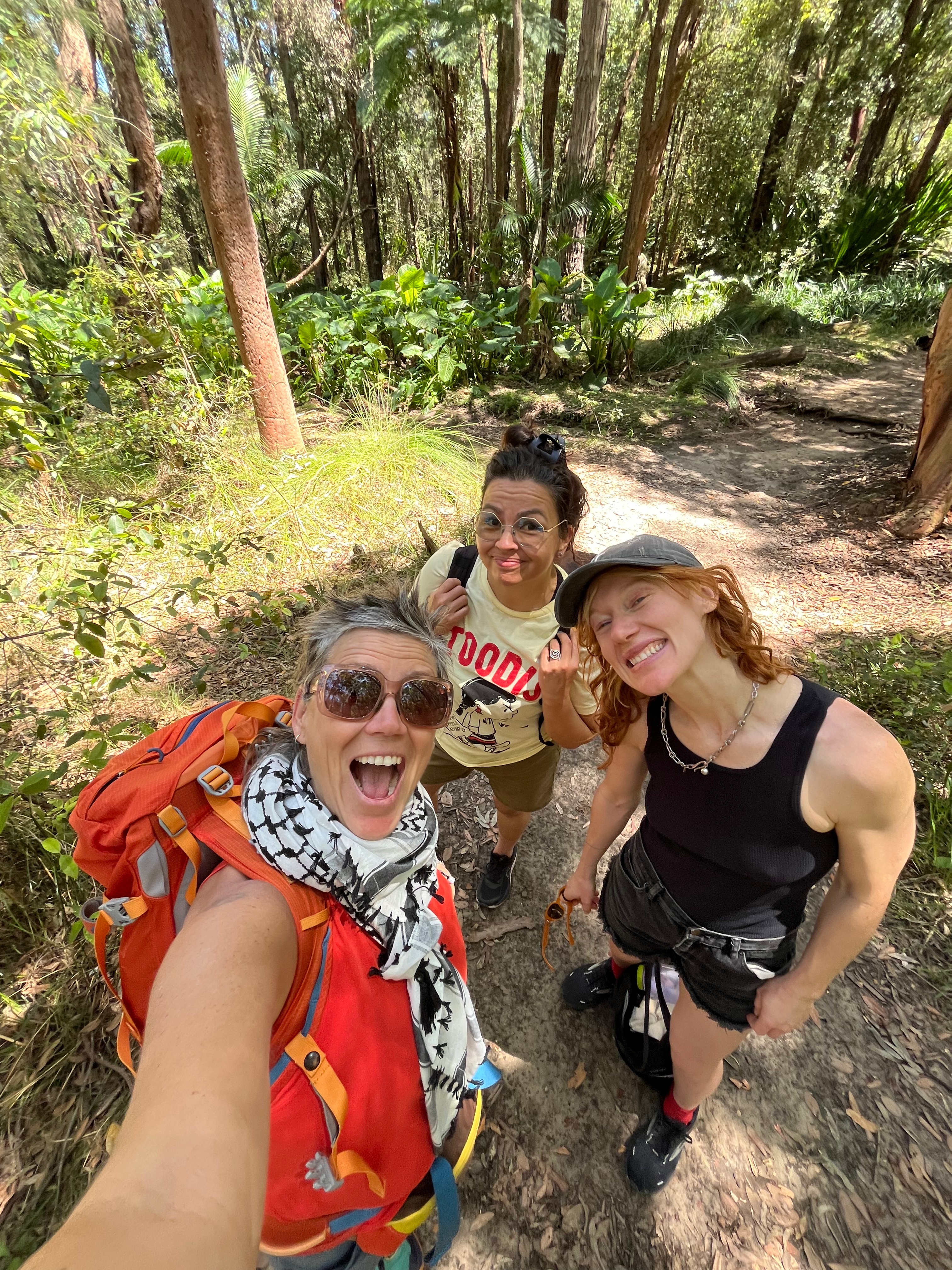
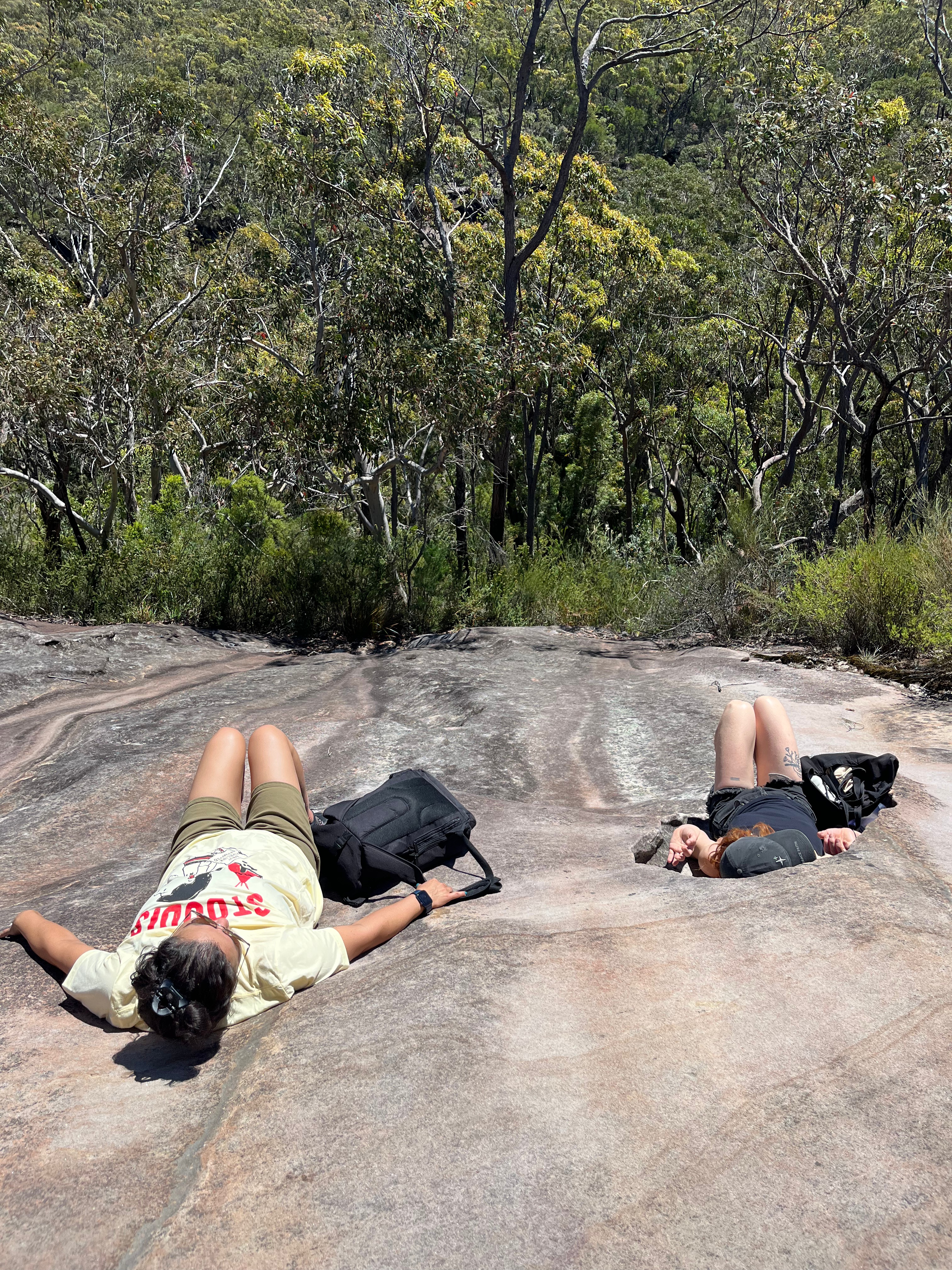
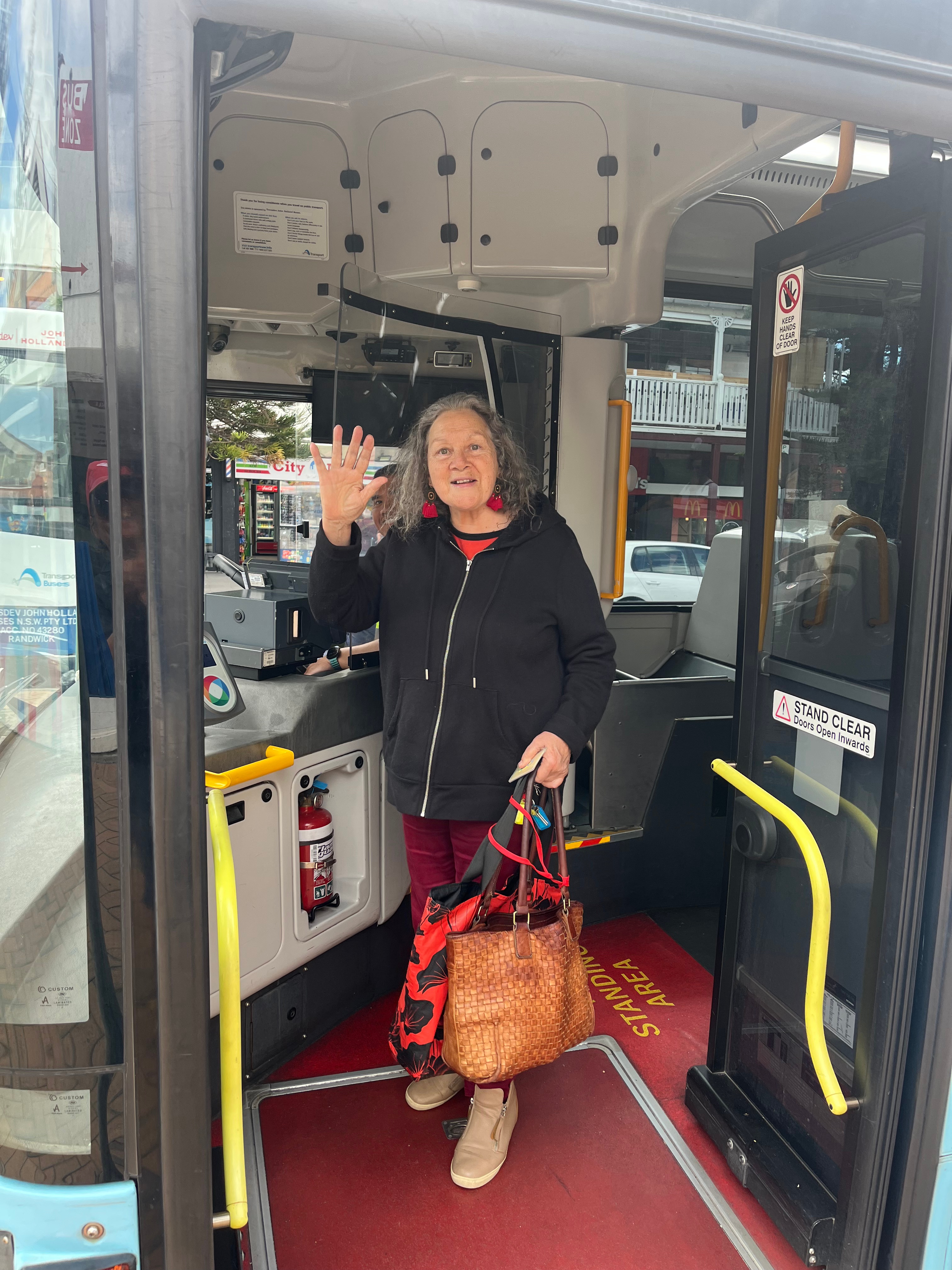
Carrie, Nina and Astrida acclimatizing after their long haul from Canada – including a *spontaneous and amazing* chance encounter with Aunty Rhonda Dixon Grovenor (our special guest at FEELers Camp in June) at the Coogee Beach bus stop!
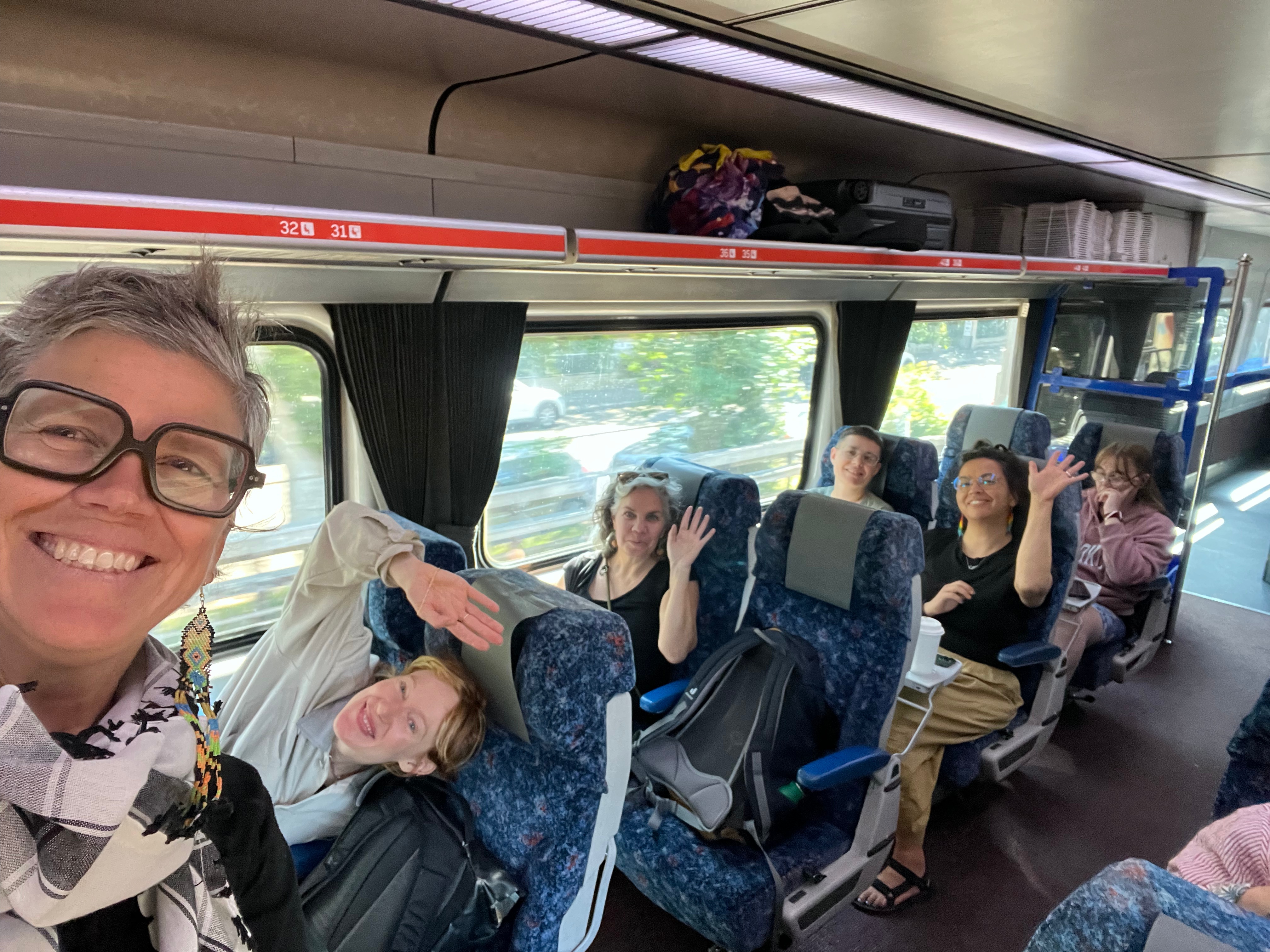
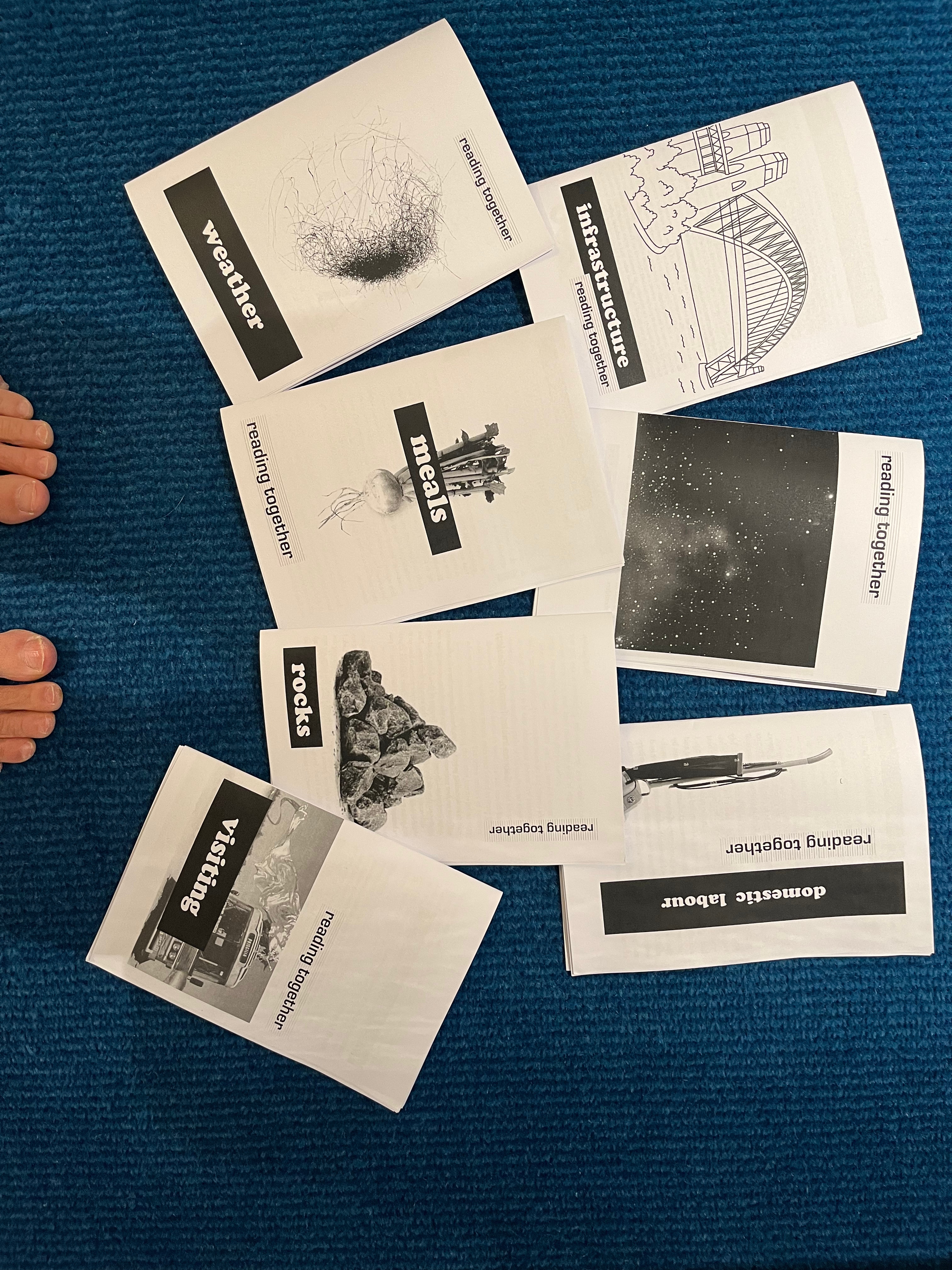
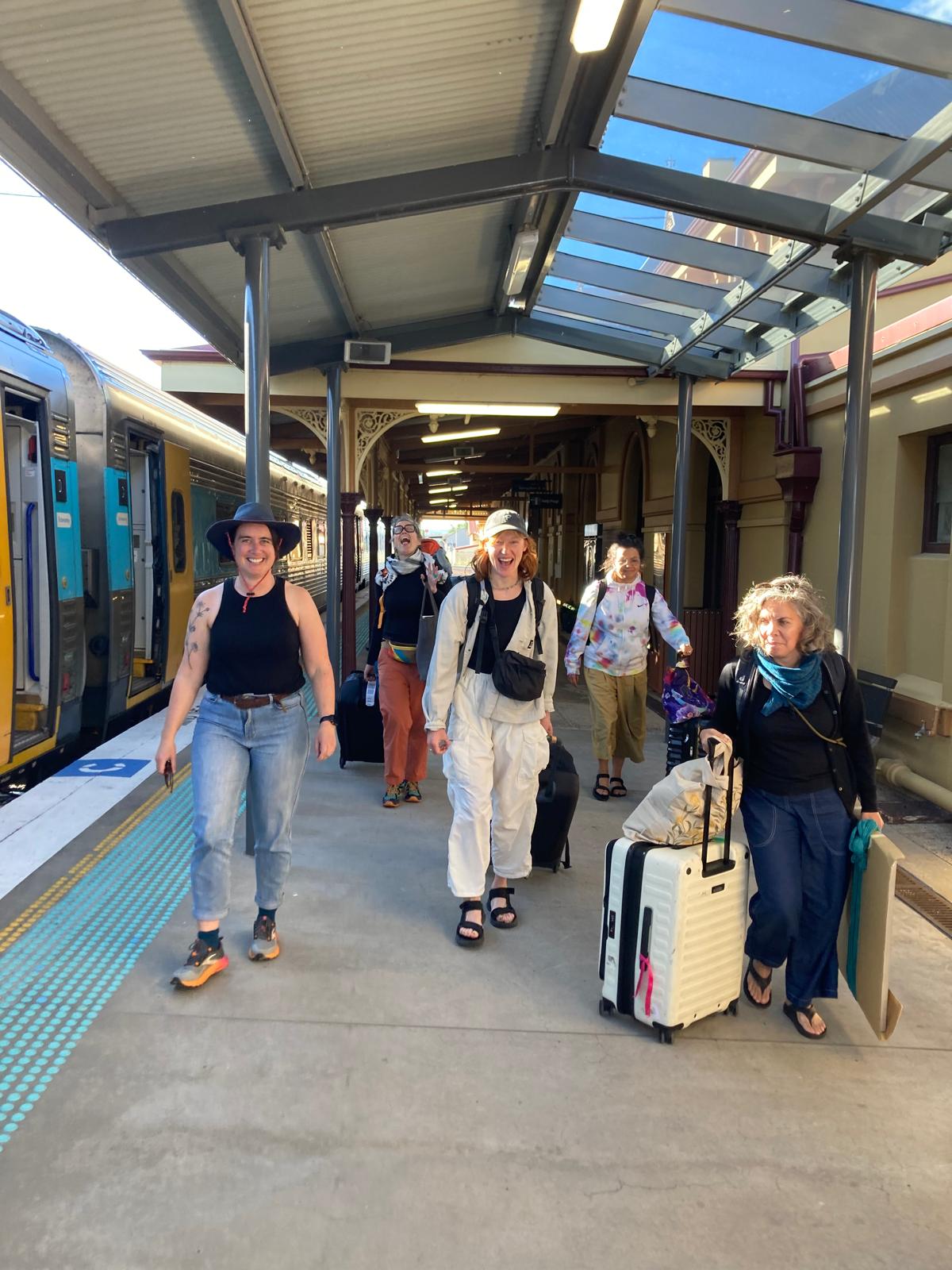
Trainshop up to Anaiwan country! (including reading booklets assembled especially for this trip)
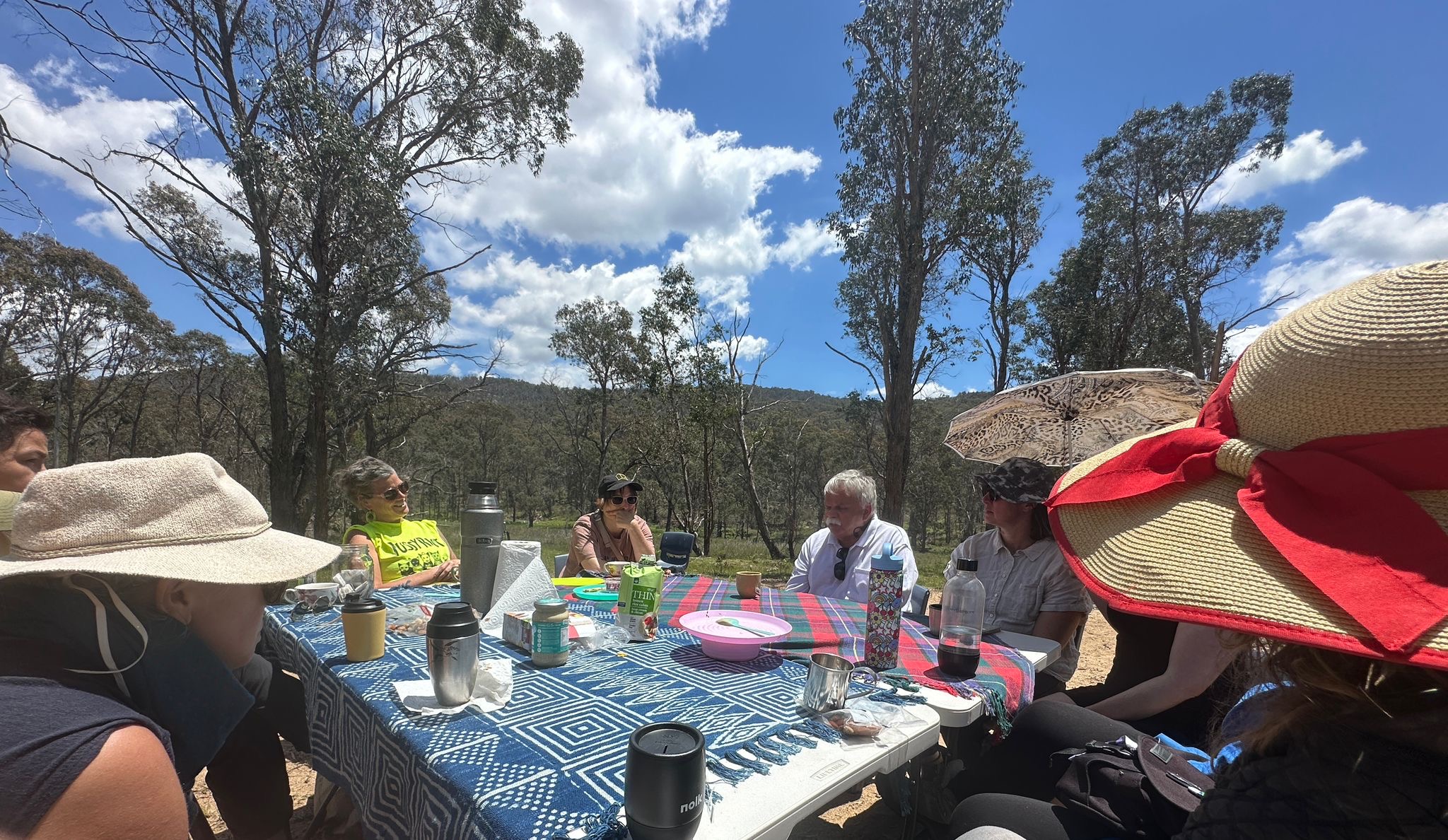
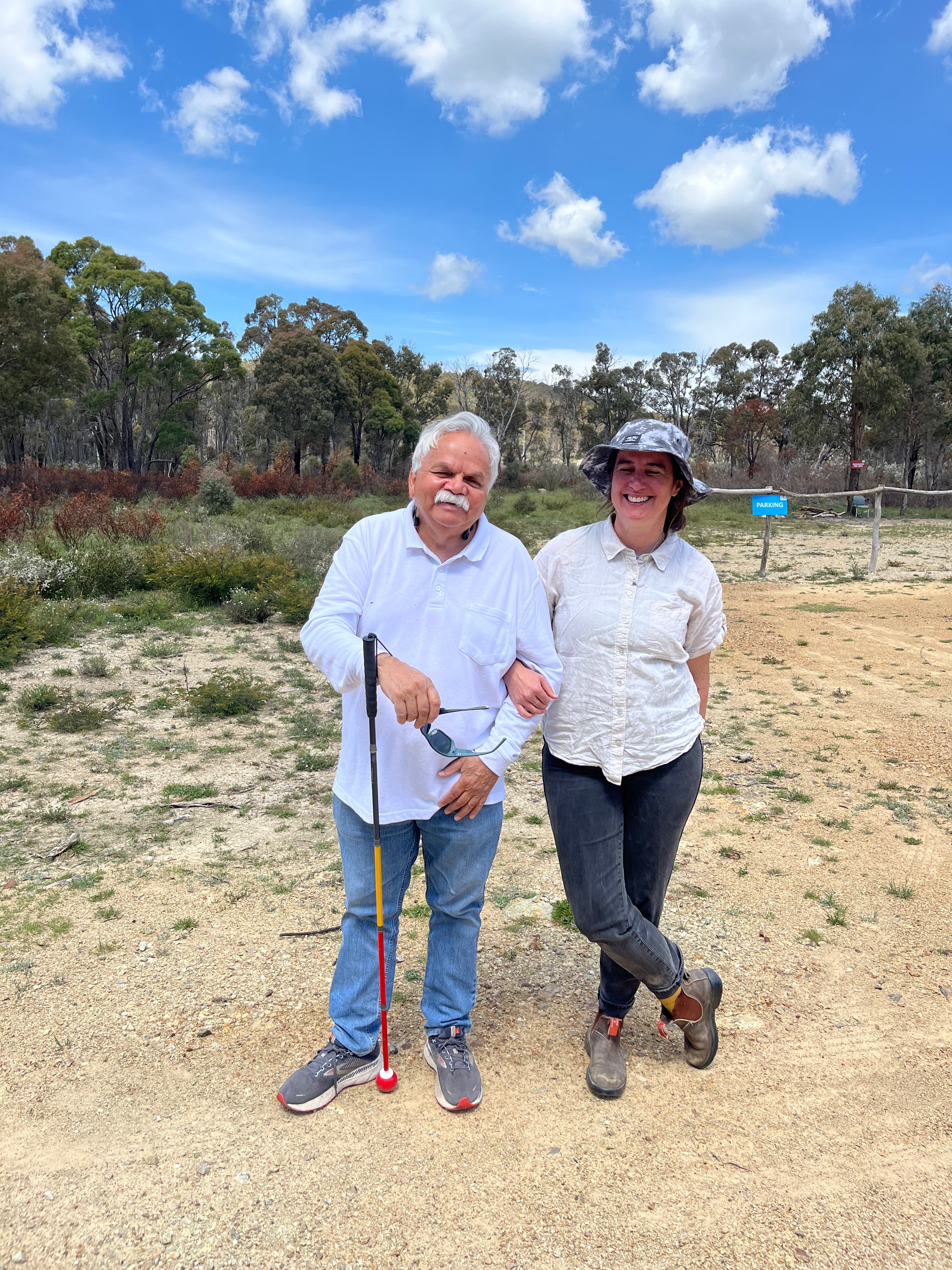
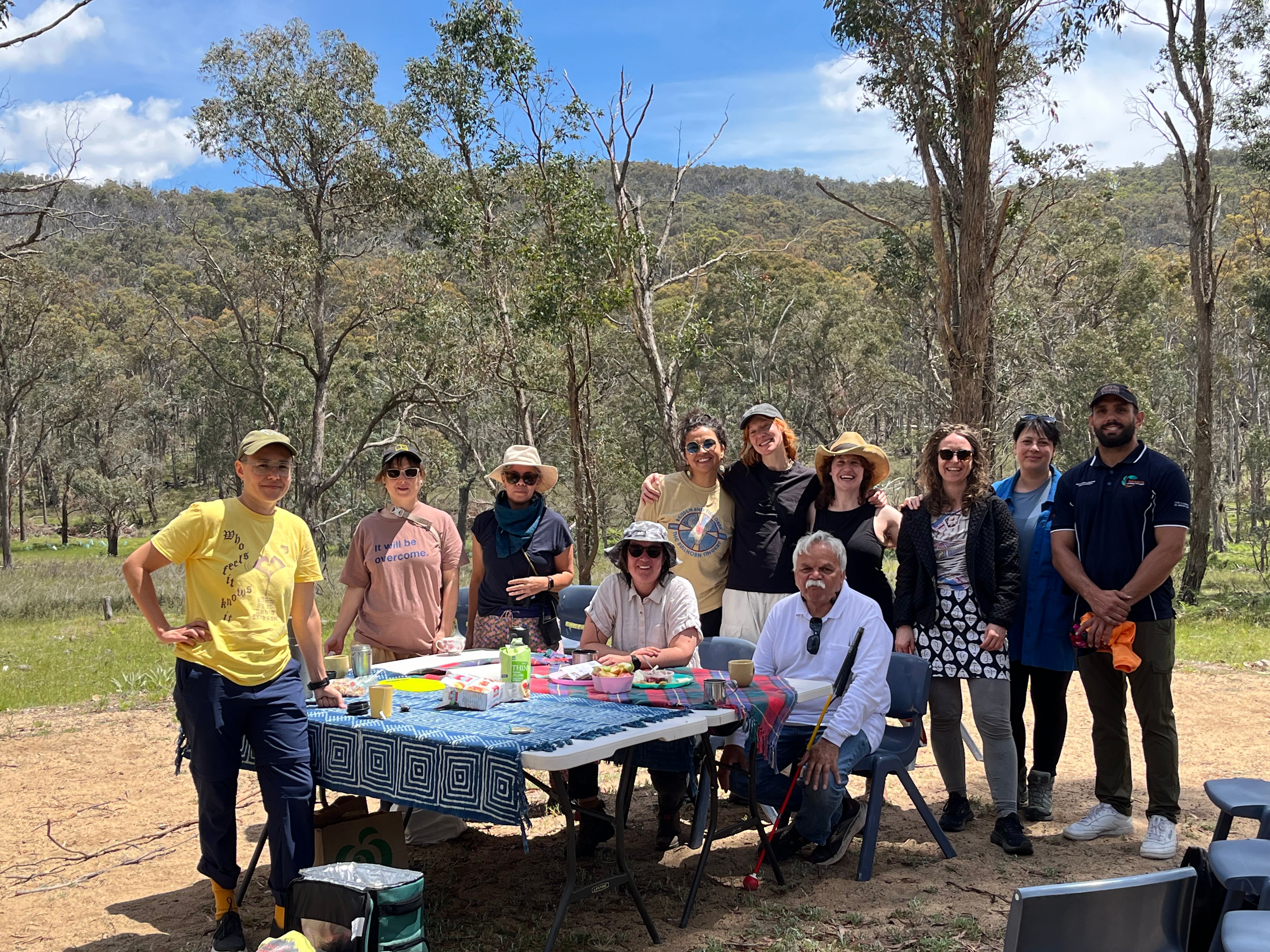
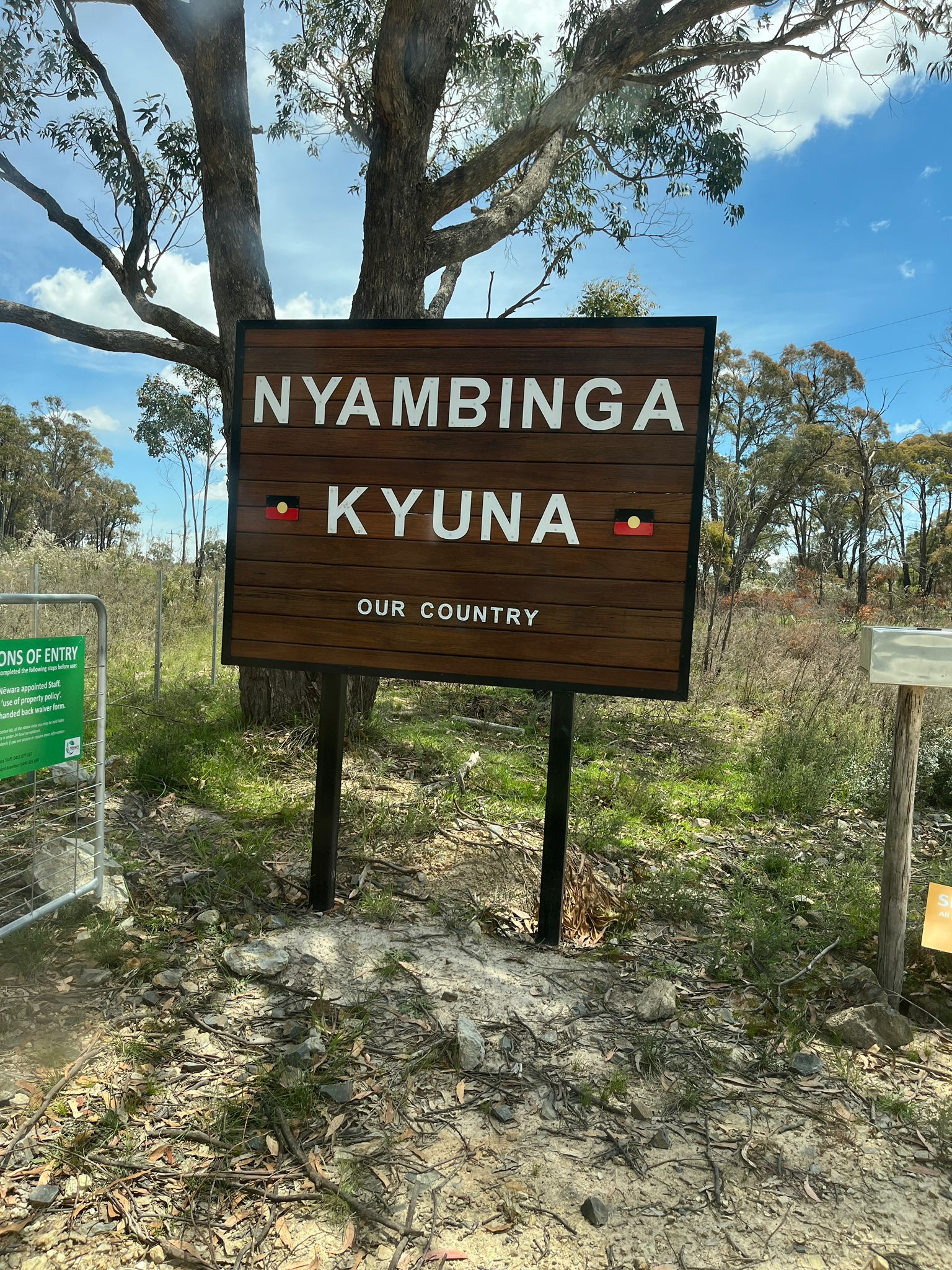
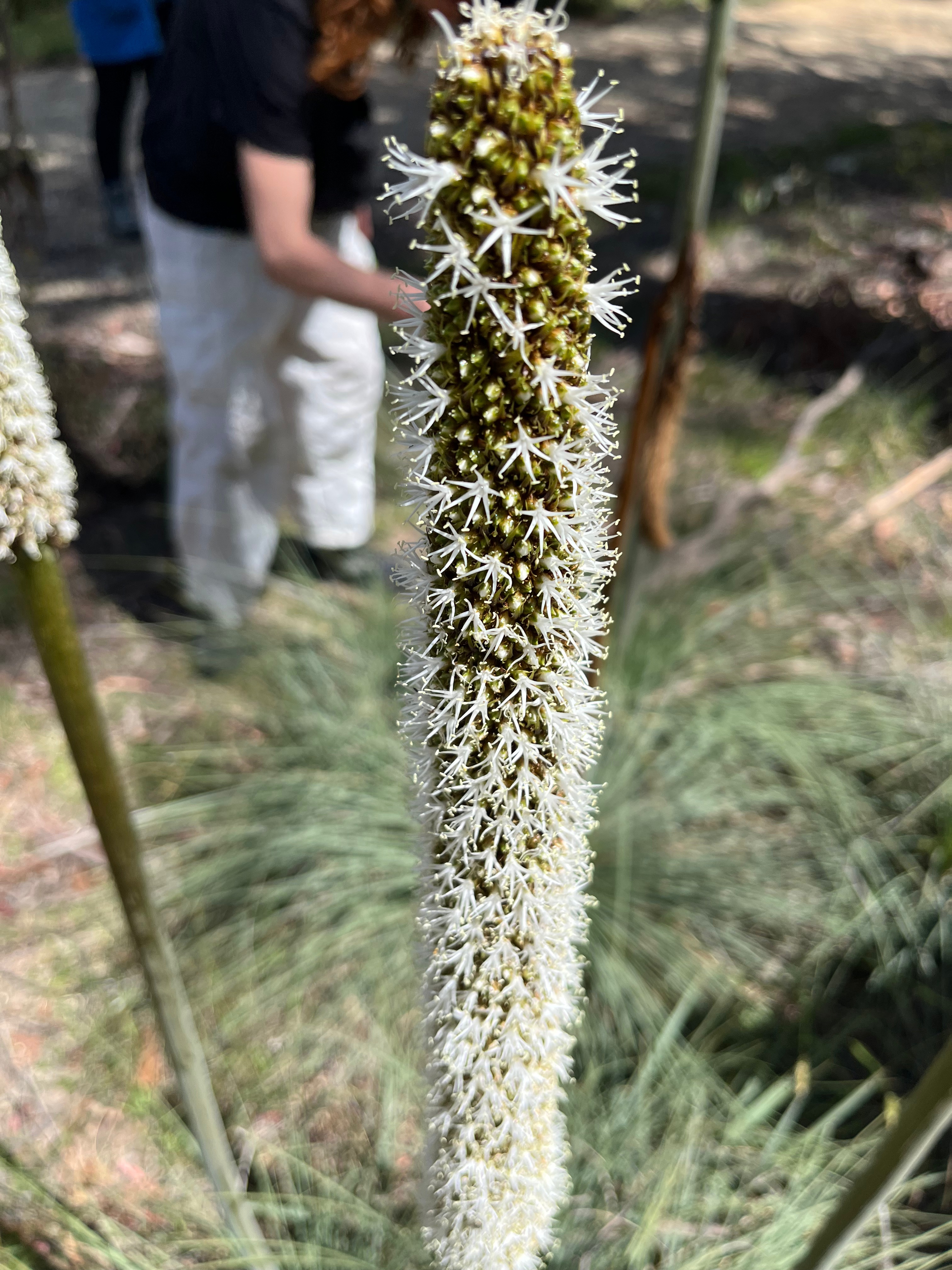
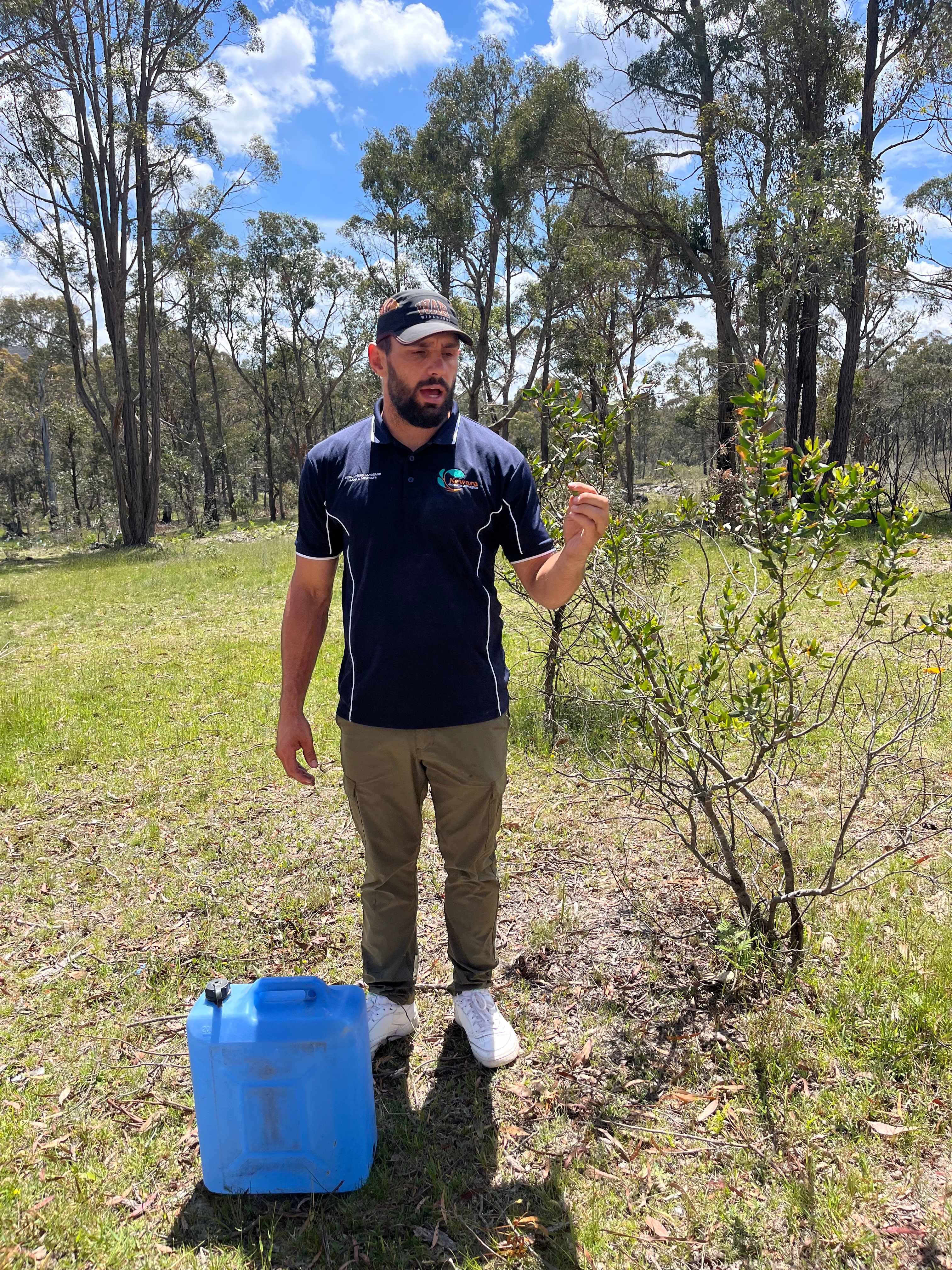
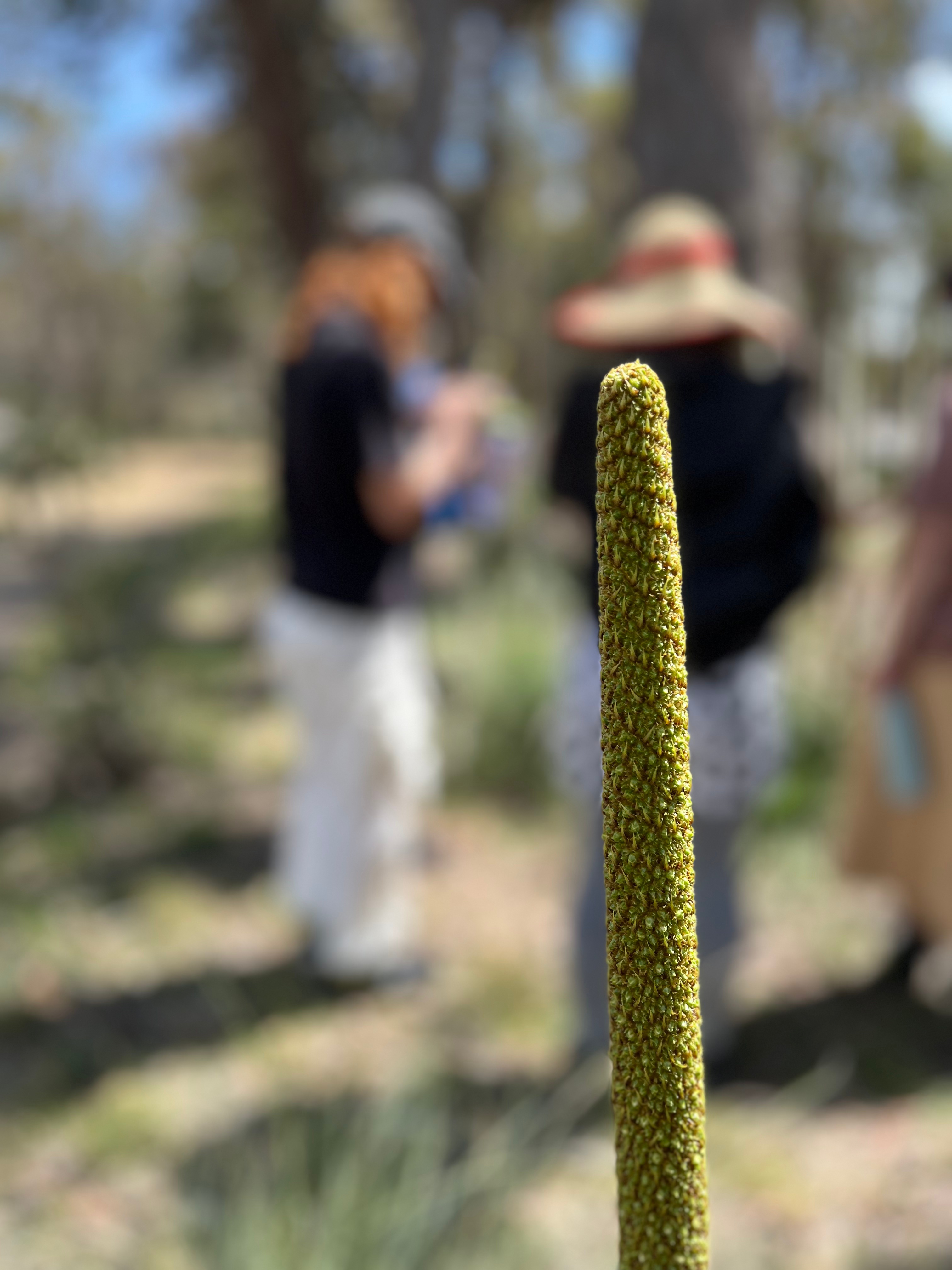
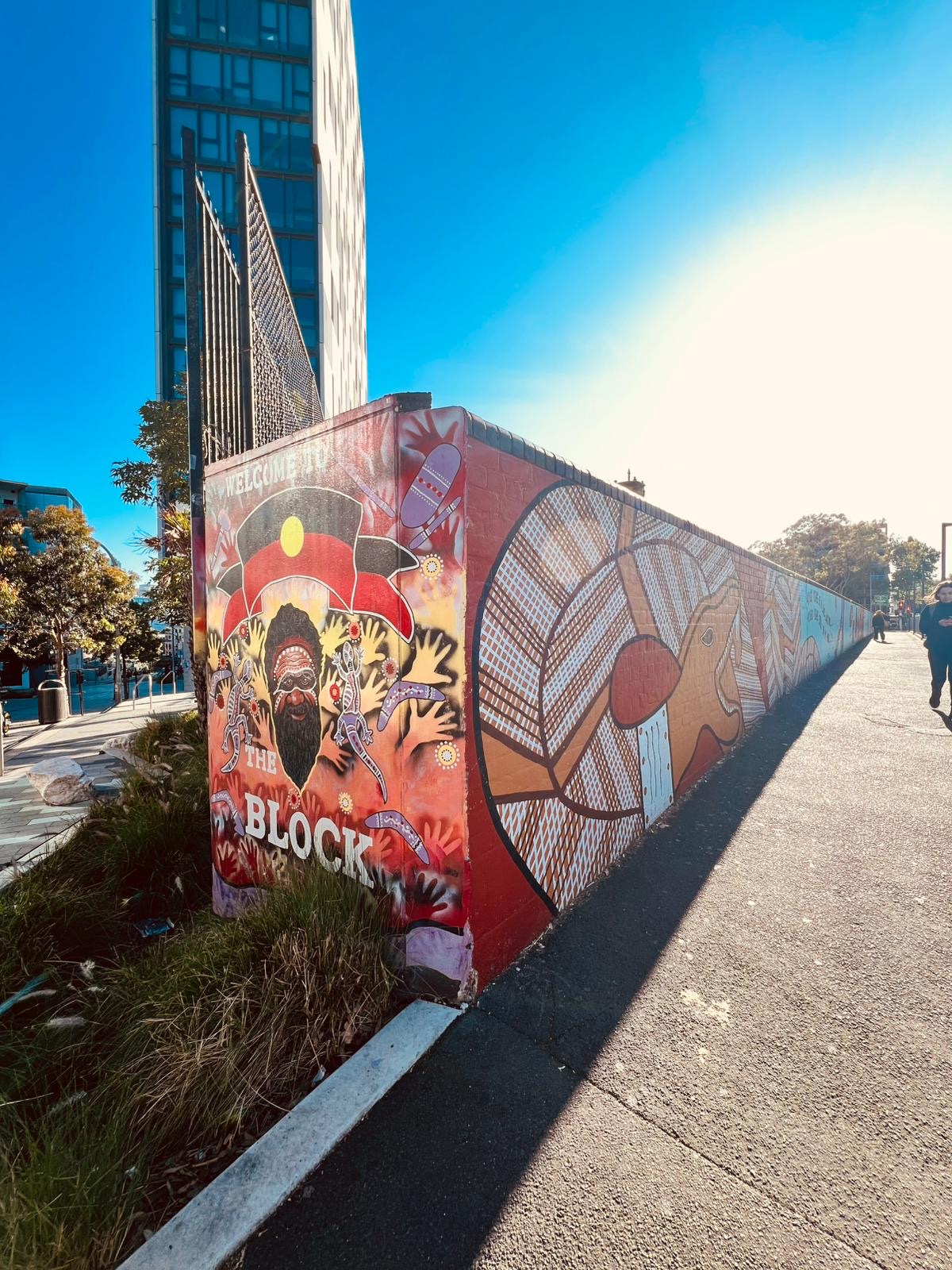
Unforgettable visit to the Anaiwan Block with Uncle Steve Widders
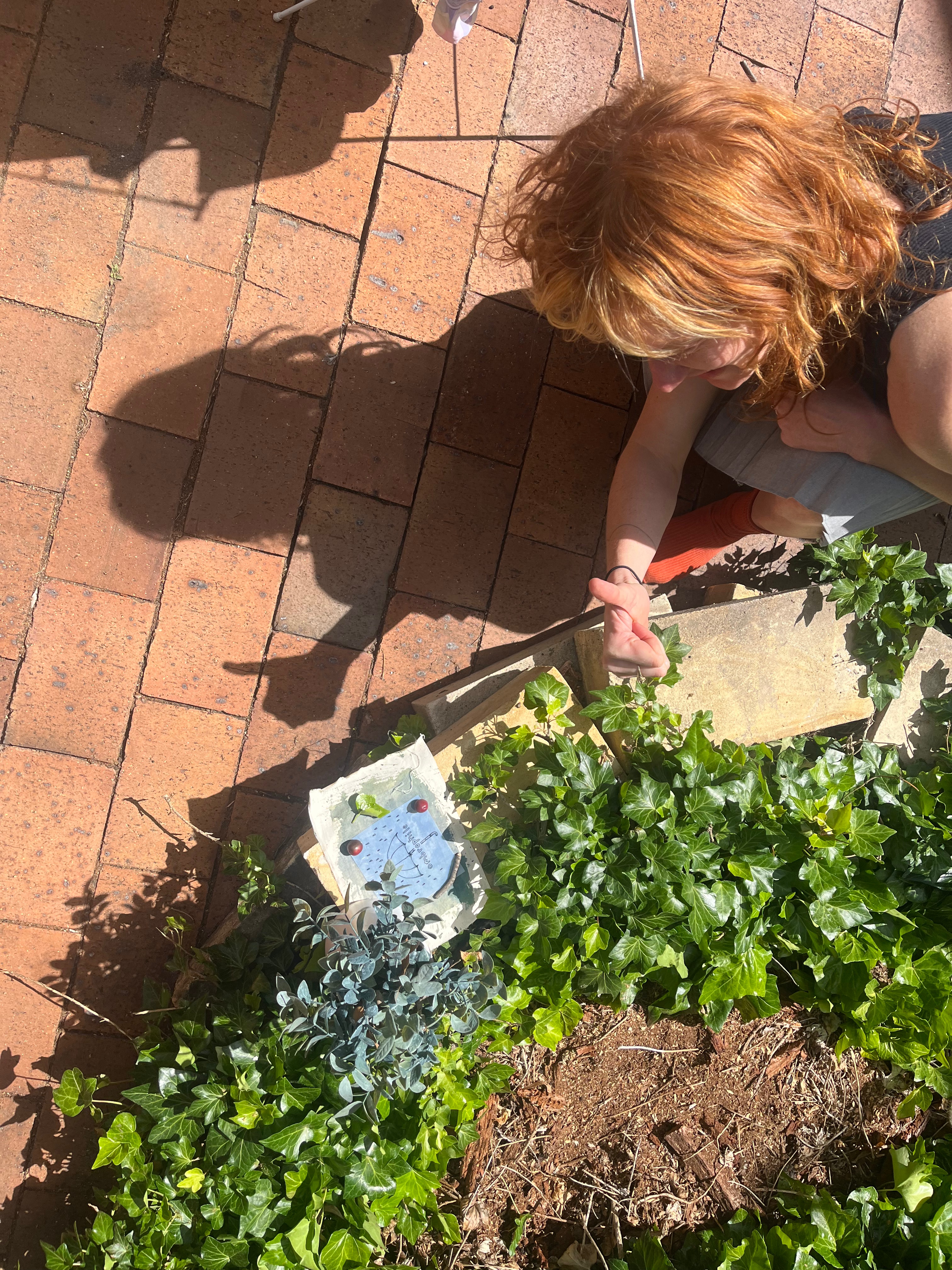
Making things
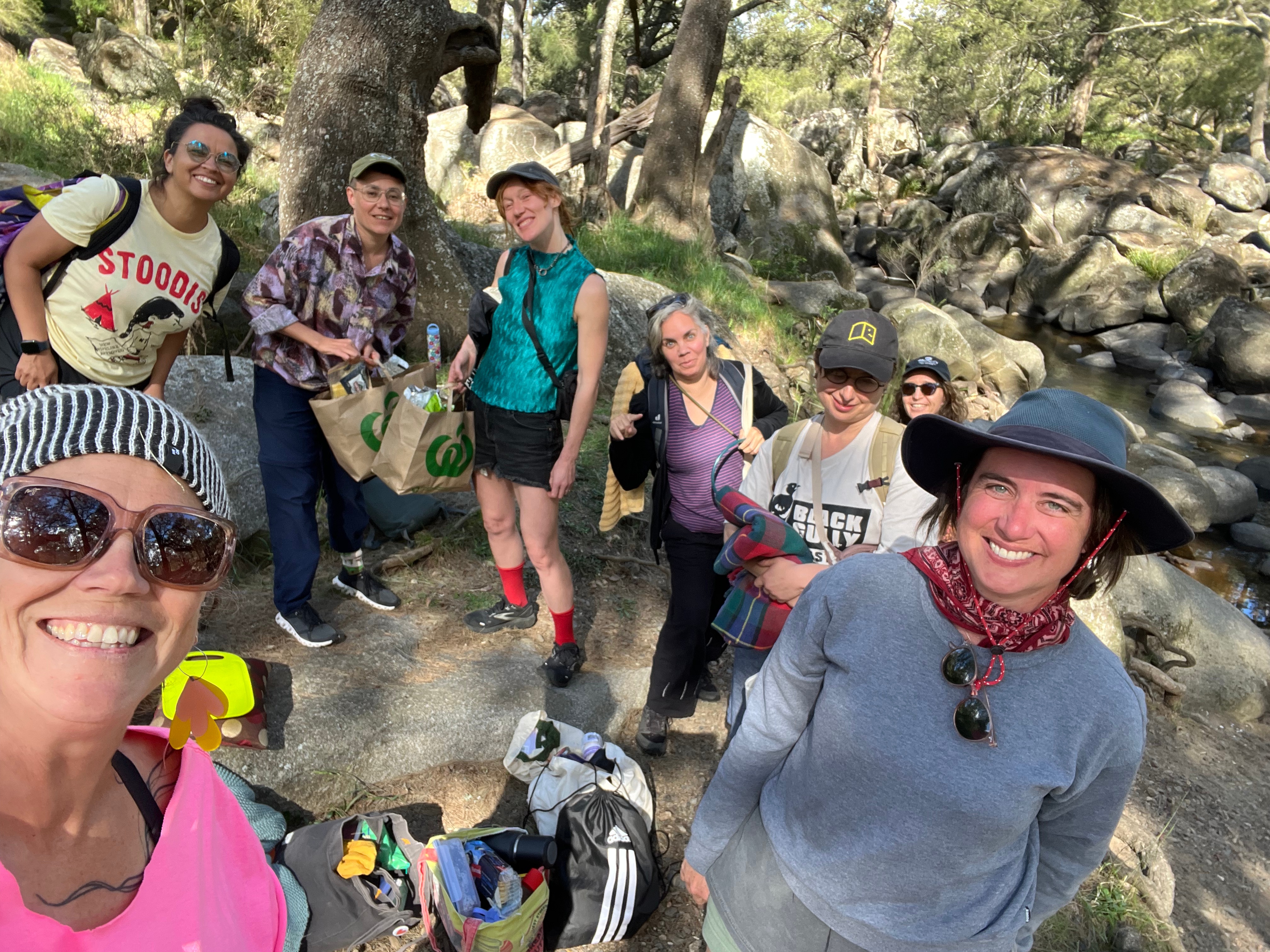
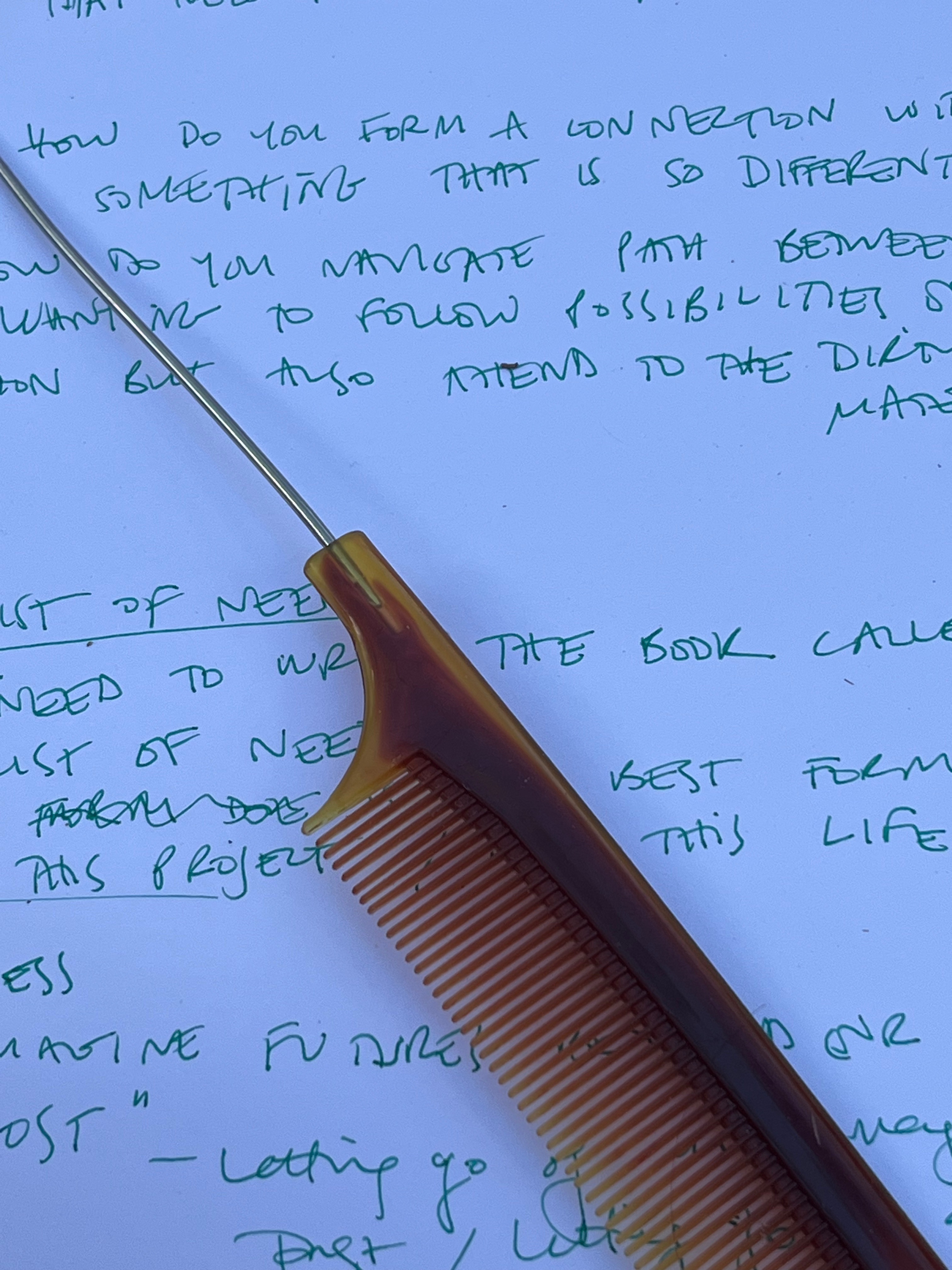
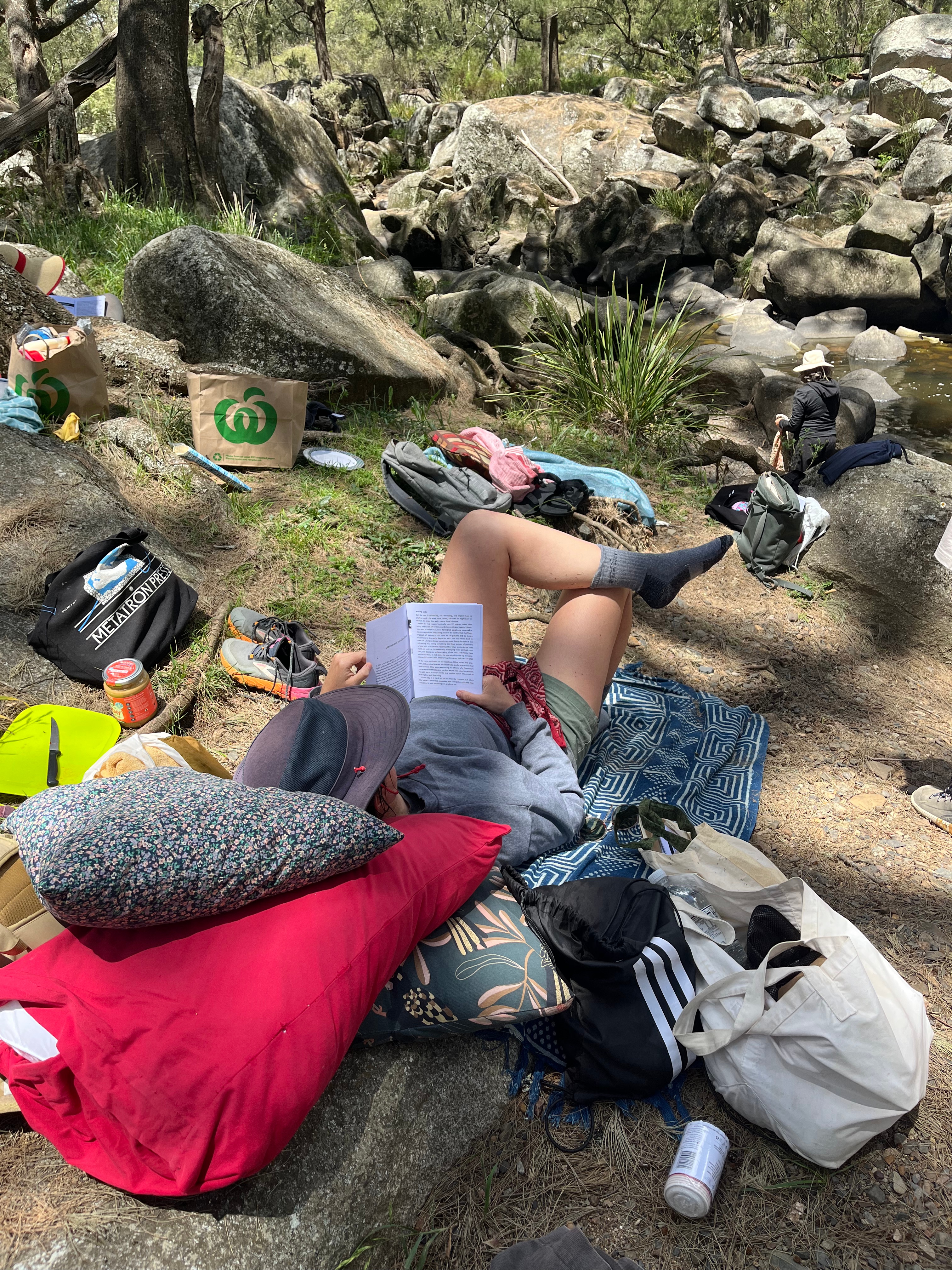
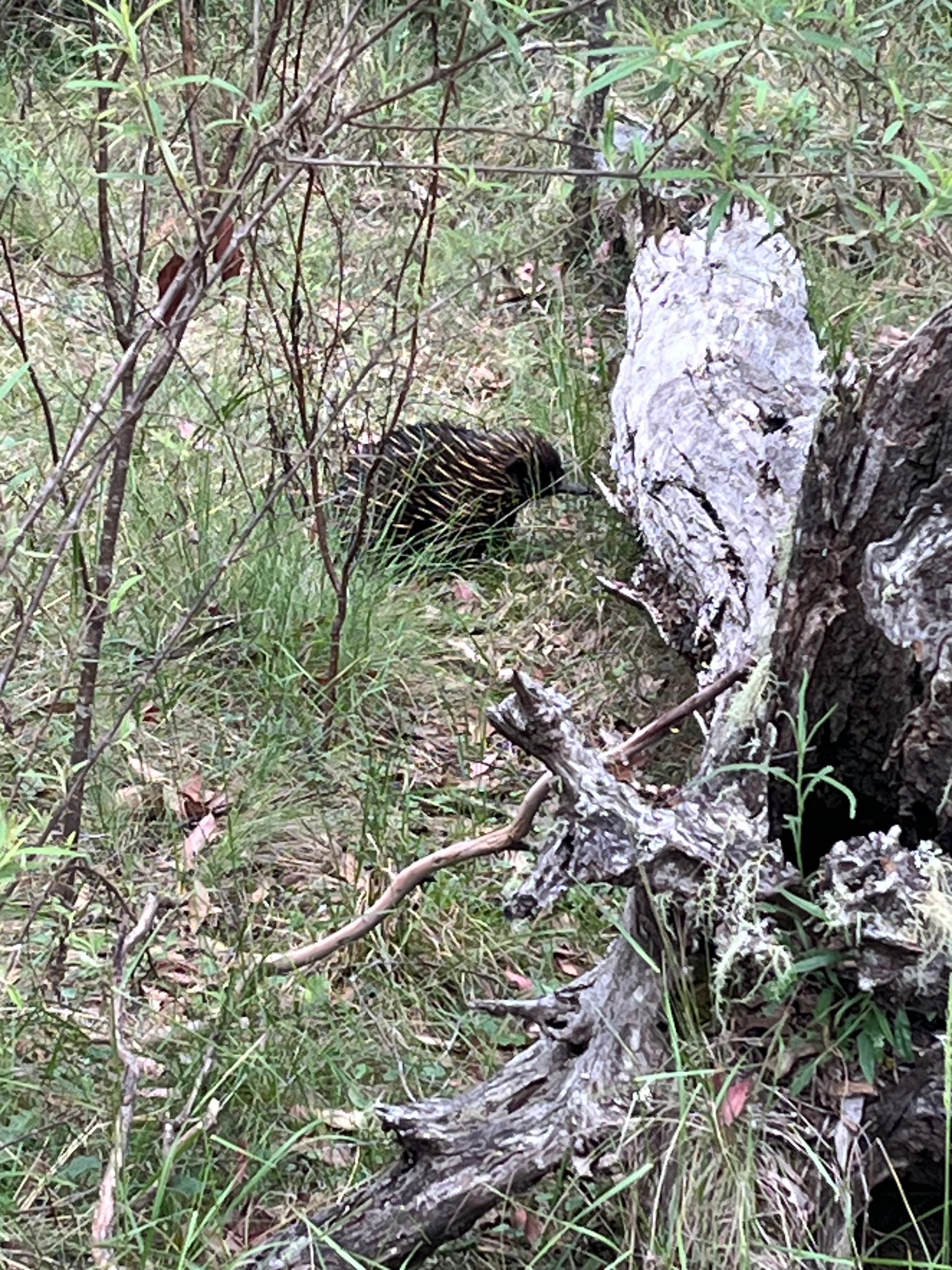
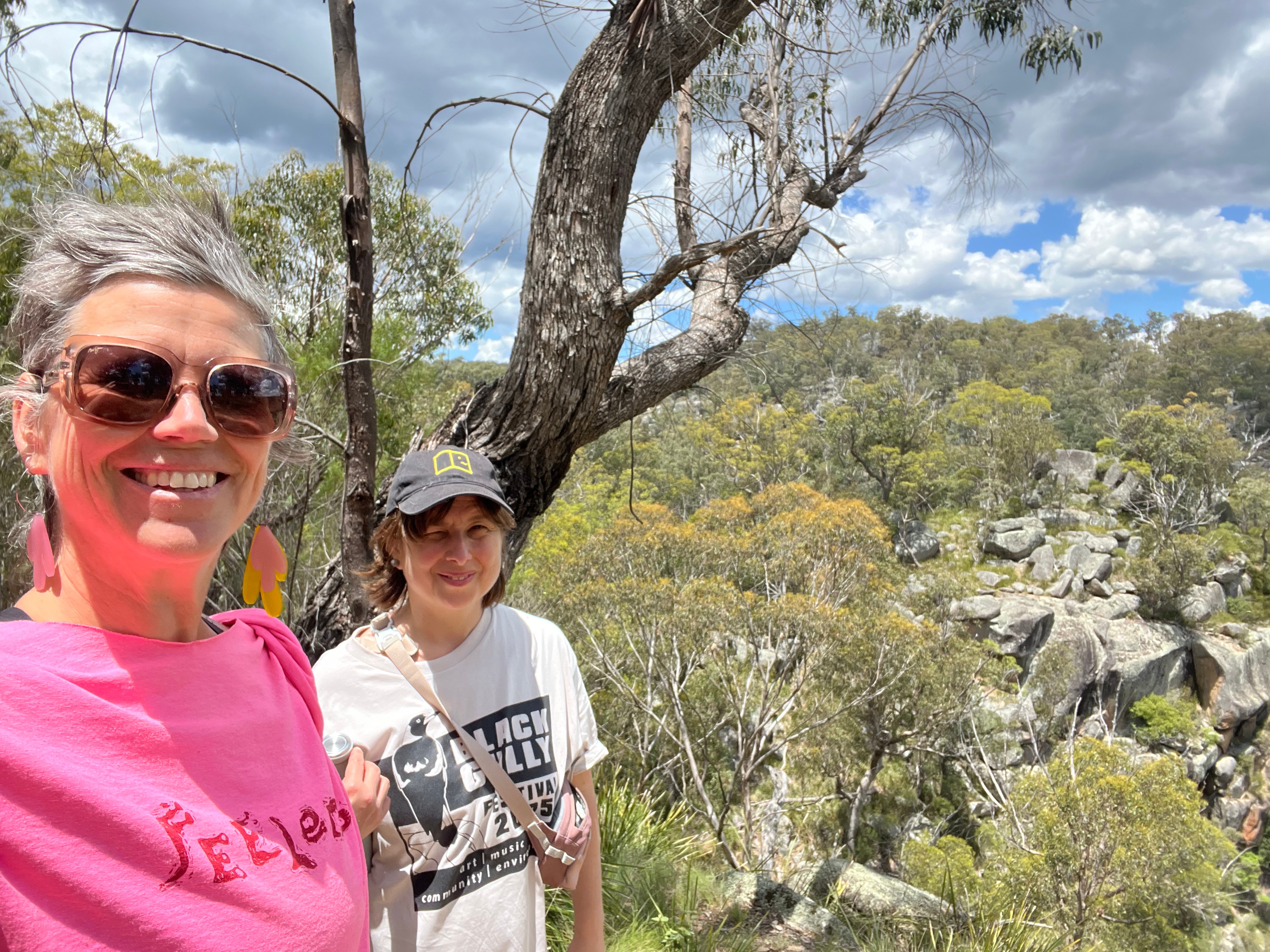
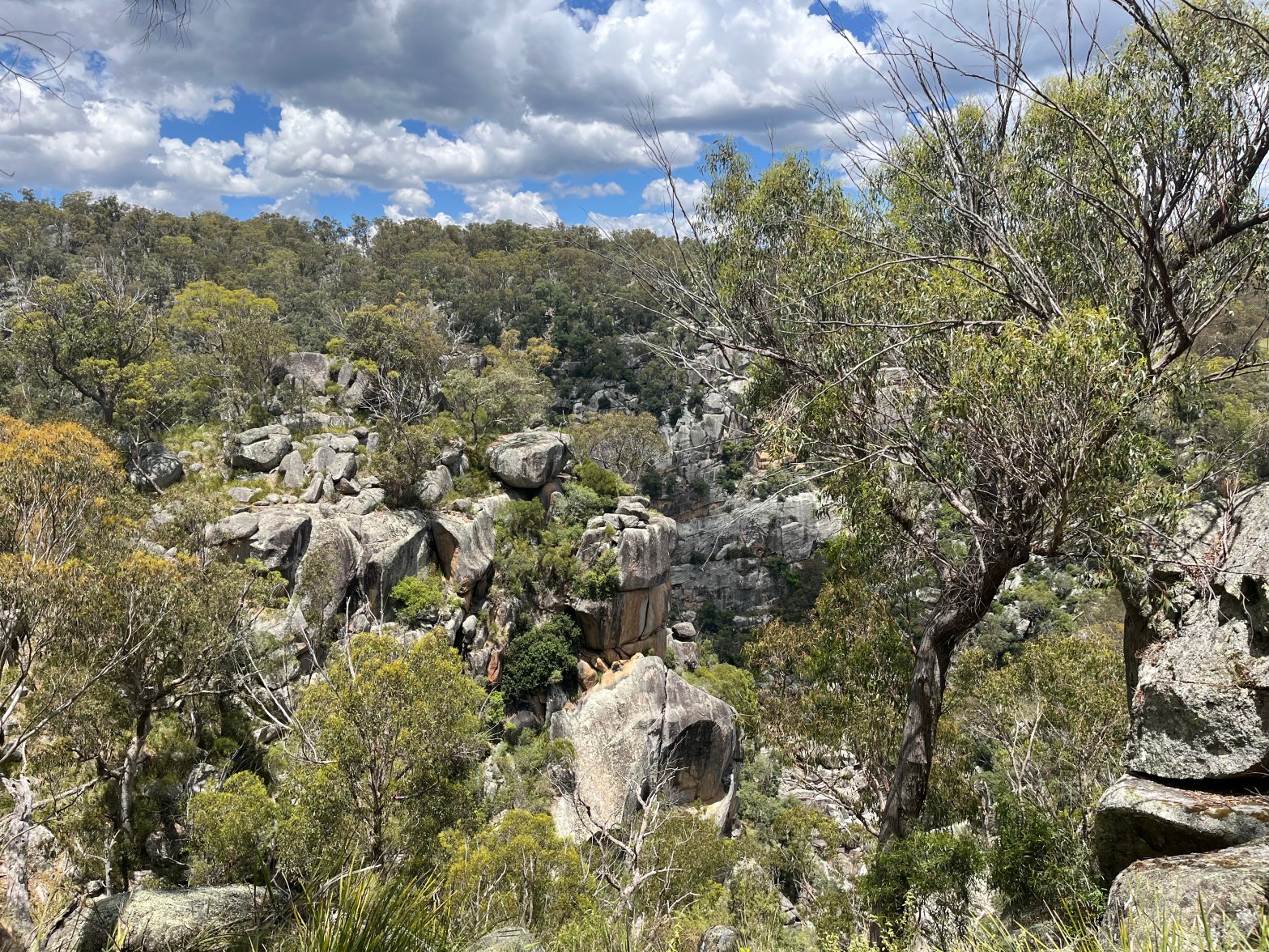
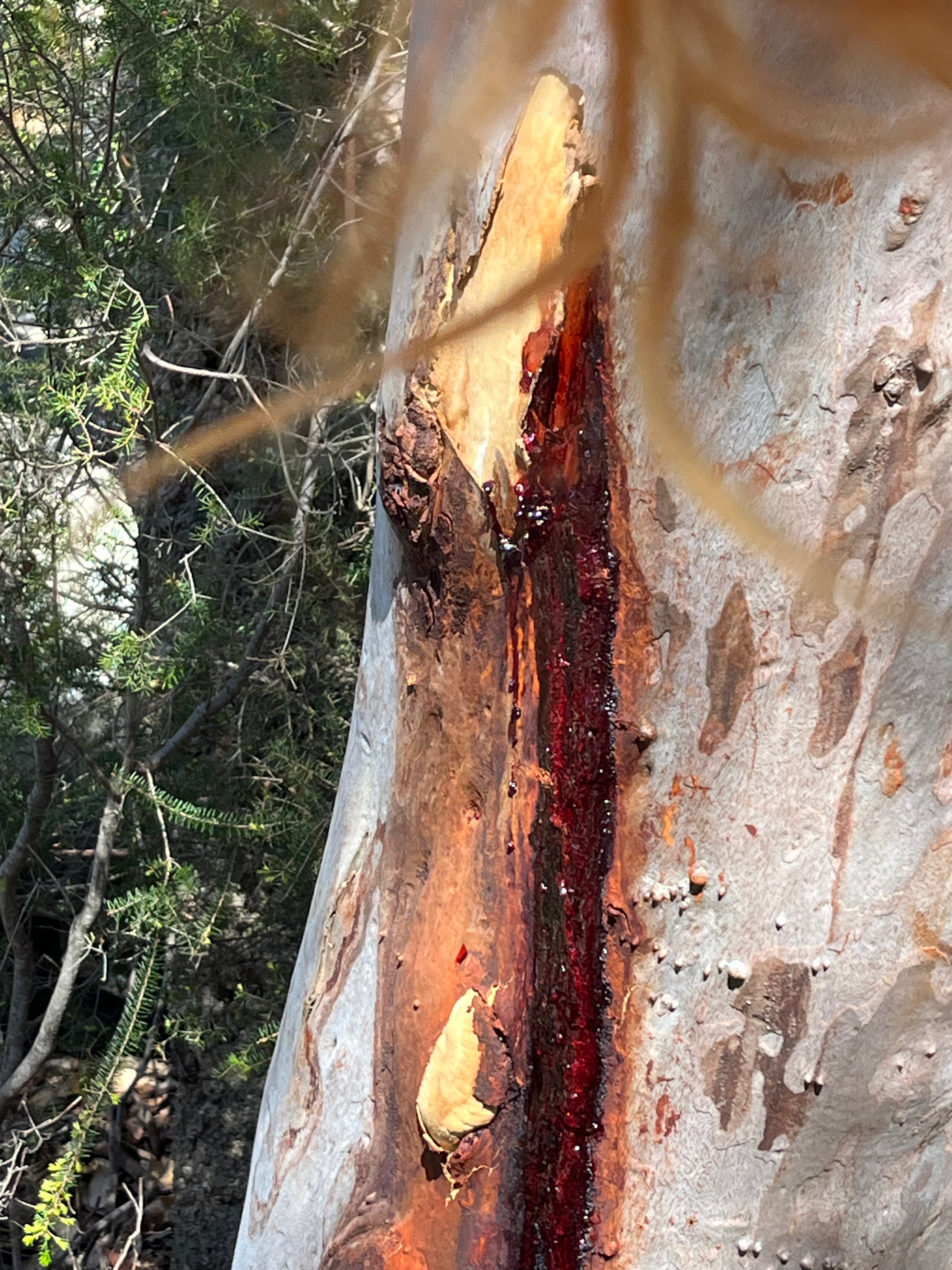
Learning with the Land, on Anaiwan Country (including haircuts and echidna)
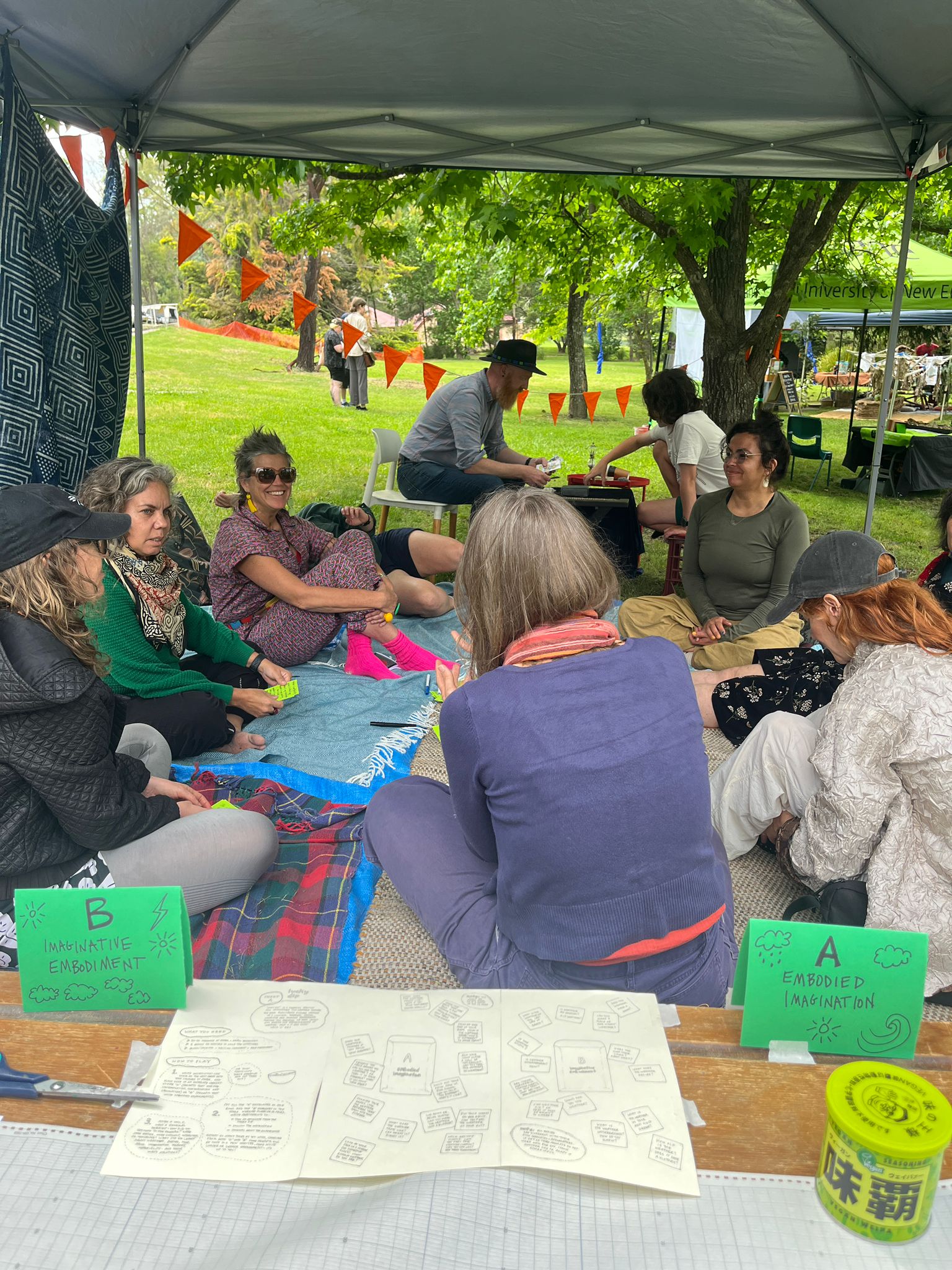
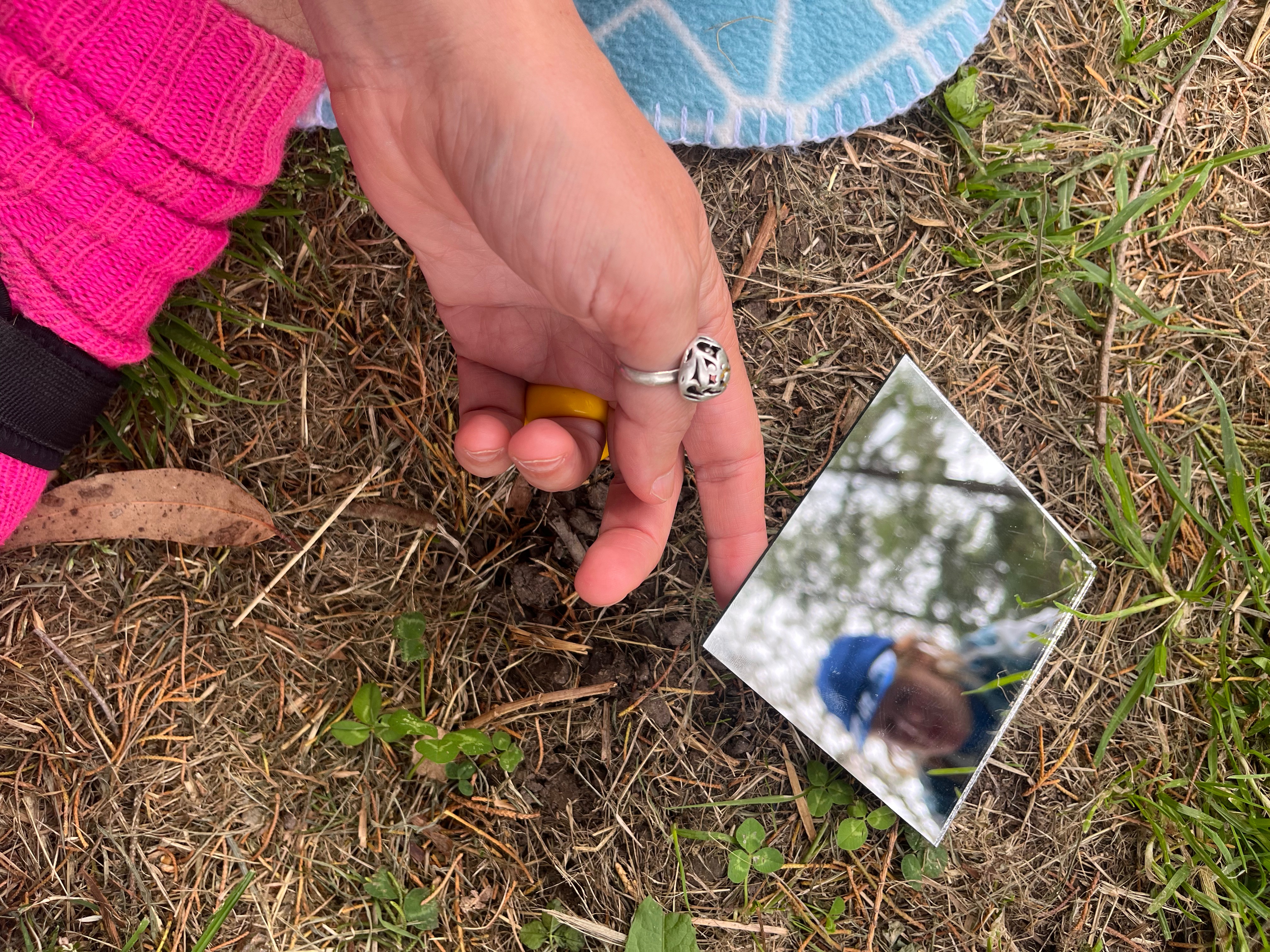
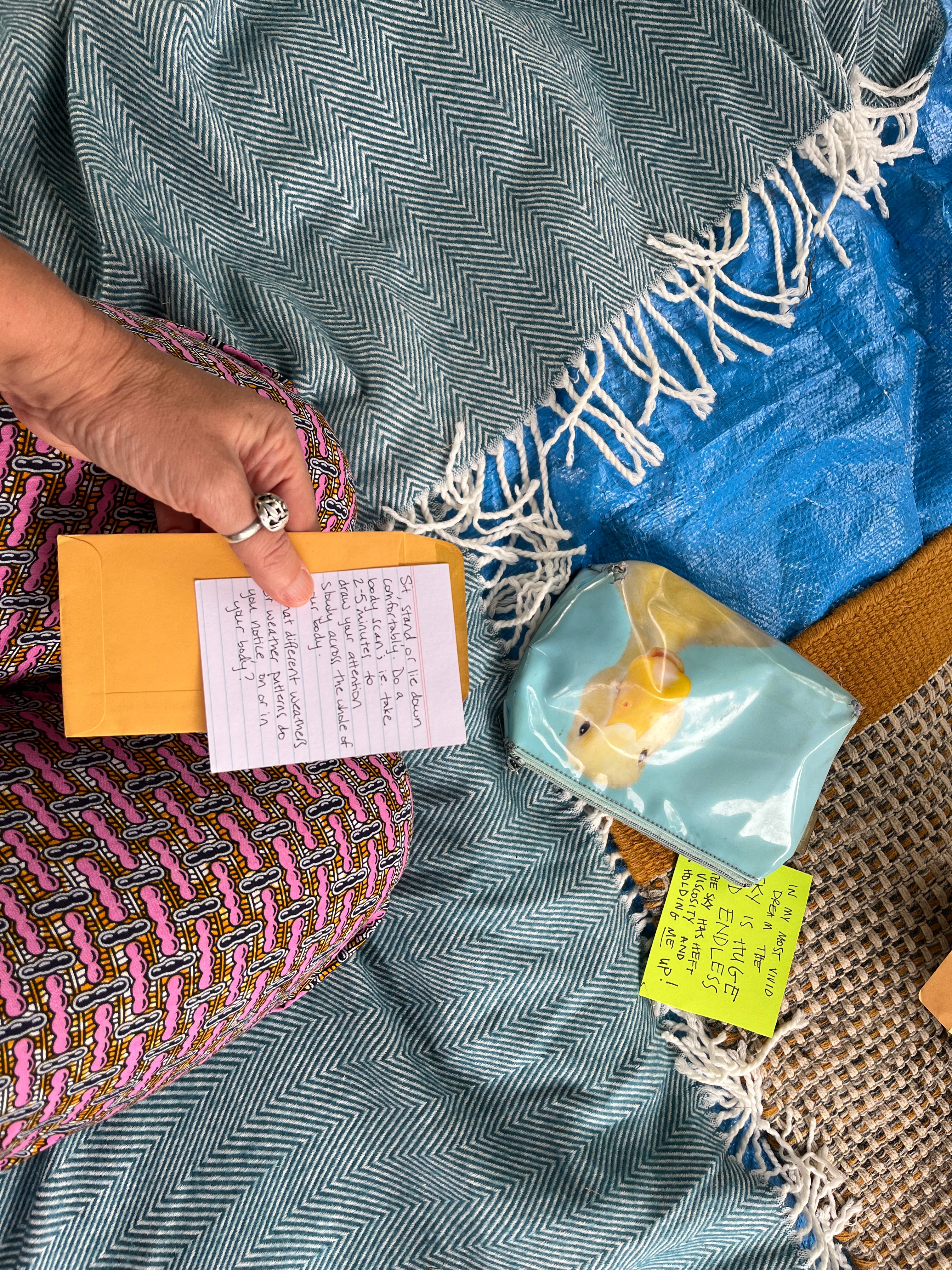
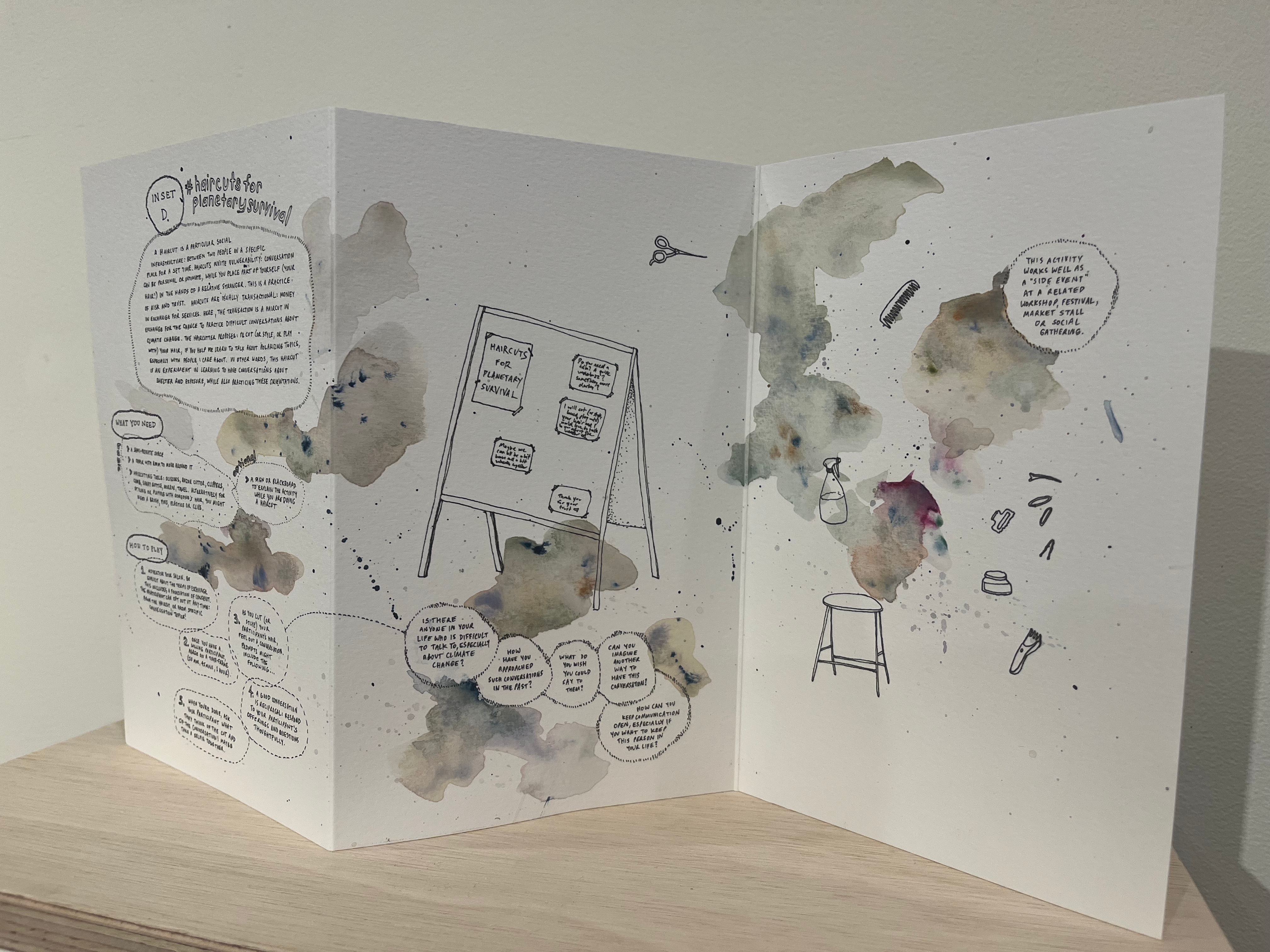
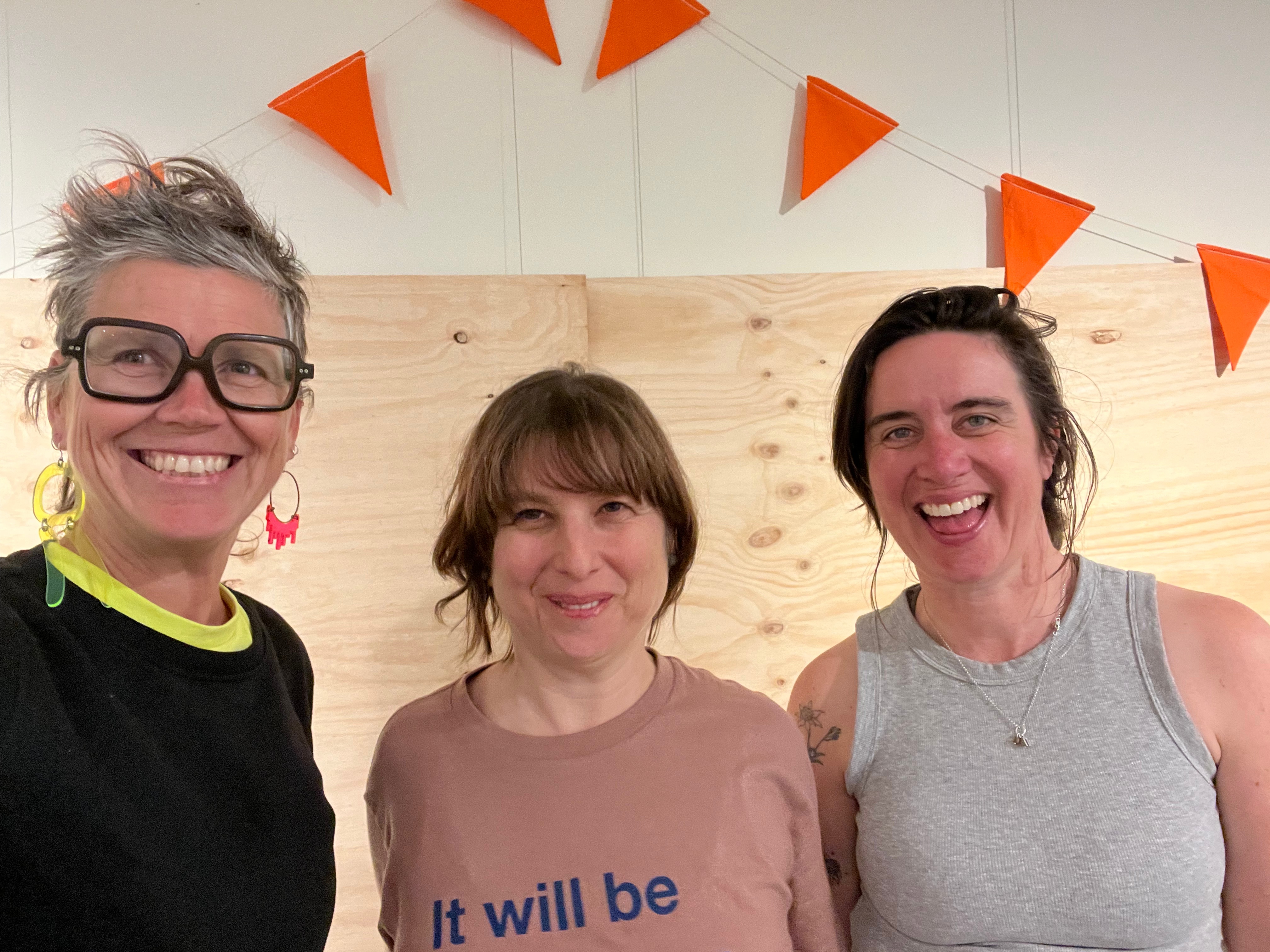
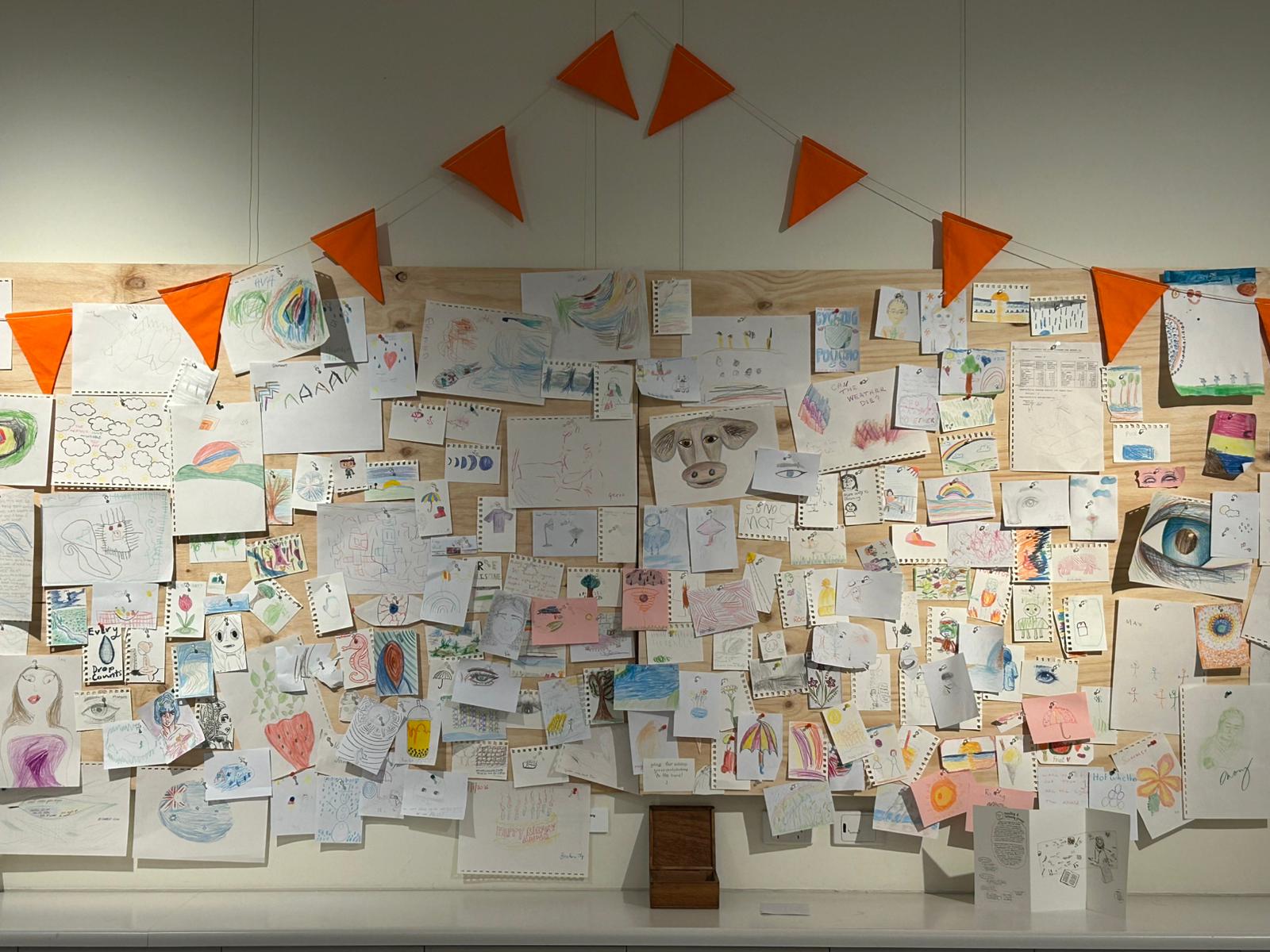
Scenes from the Black Gully Festival, including Jen’s longtime project the Community Weathering Station (CoWS); Nina’s Deep Gazing project (devised in collaboration with Erin Hill); and glimpses of the “How to Weather Together” gallery show, curated and installed by Tessa and Jen as the Weathering Collective, at NERAM (New England Regional Art Museum). (Notice the “before” and “after” images of community contributions – the latter image sent by Jen in mid-January)
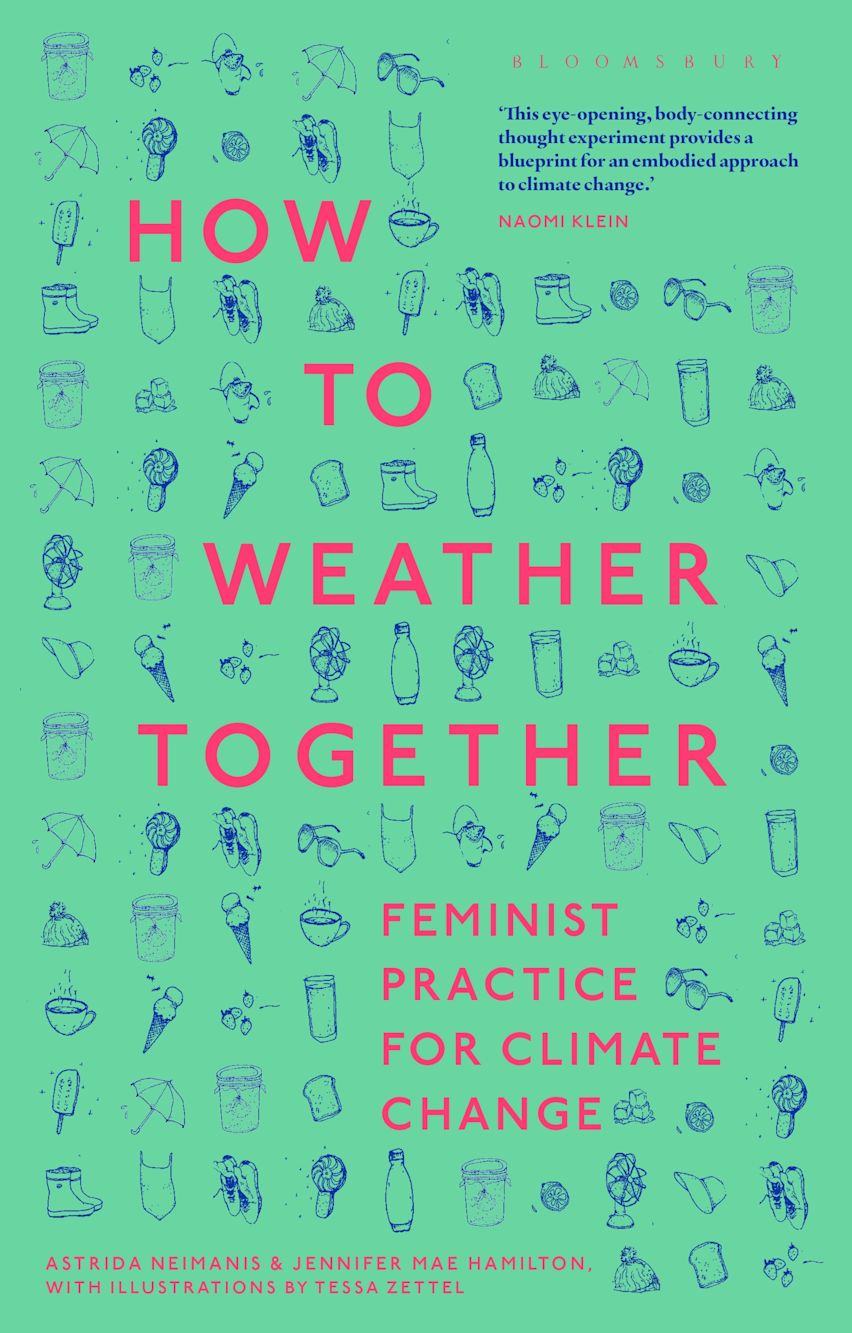
The NERAM gallery show also anticipated the publication of How to Weather Together: Feminist Practice for Climate Change, co-authored by Jen and me, with illustrations by Tessa. After the retreat, Jen and I had a chance to talk about the book at a talk hosted by the Sydney Environment Institute (SEI) at the University of Sydney. (You can listen to the podcast of the talk here). Thanks also to our friend and colleague Natali Pearson for chairing this event! It was so great to connect with old and new pals and peers. The book will be available from February 5, 2026.
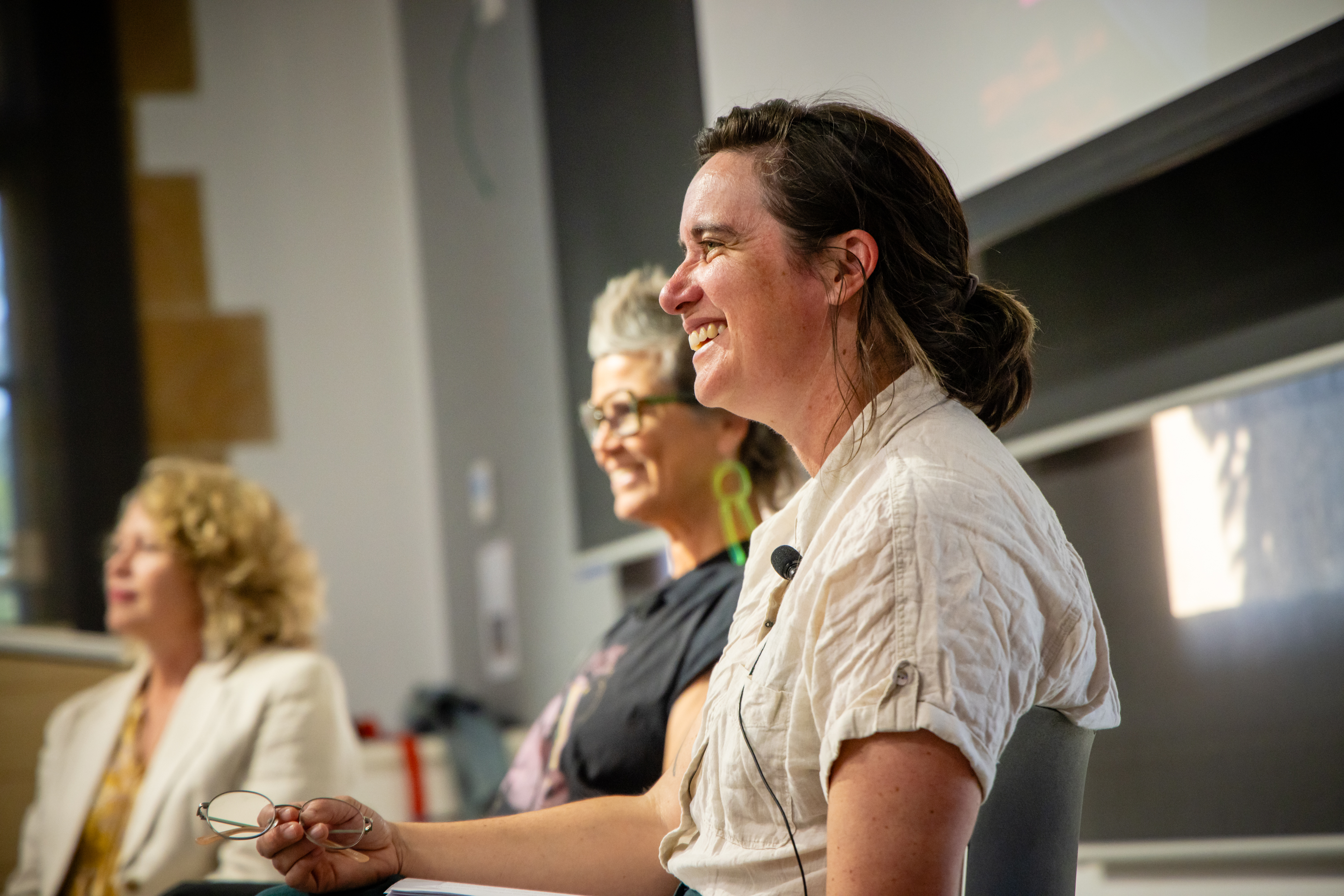
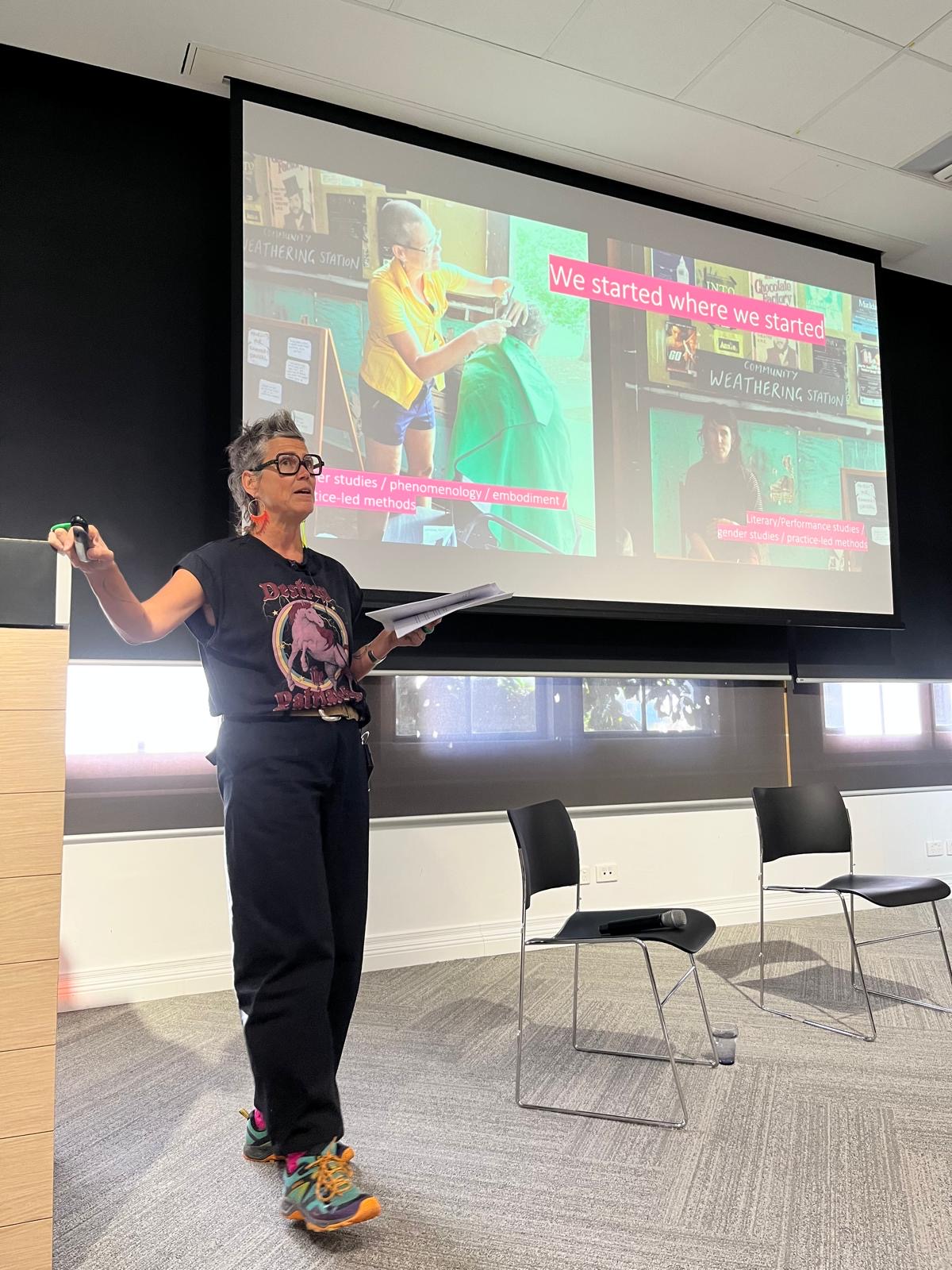
(middle image courtesy of Brian Rapsy)
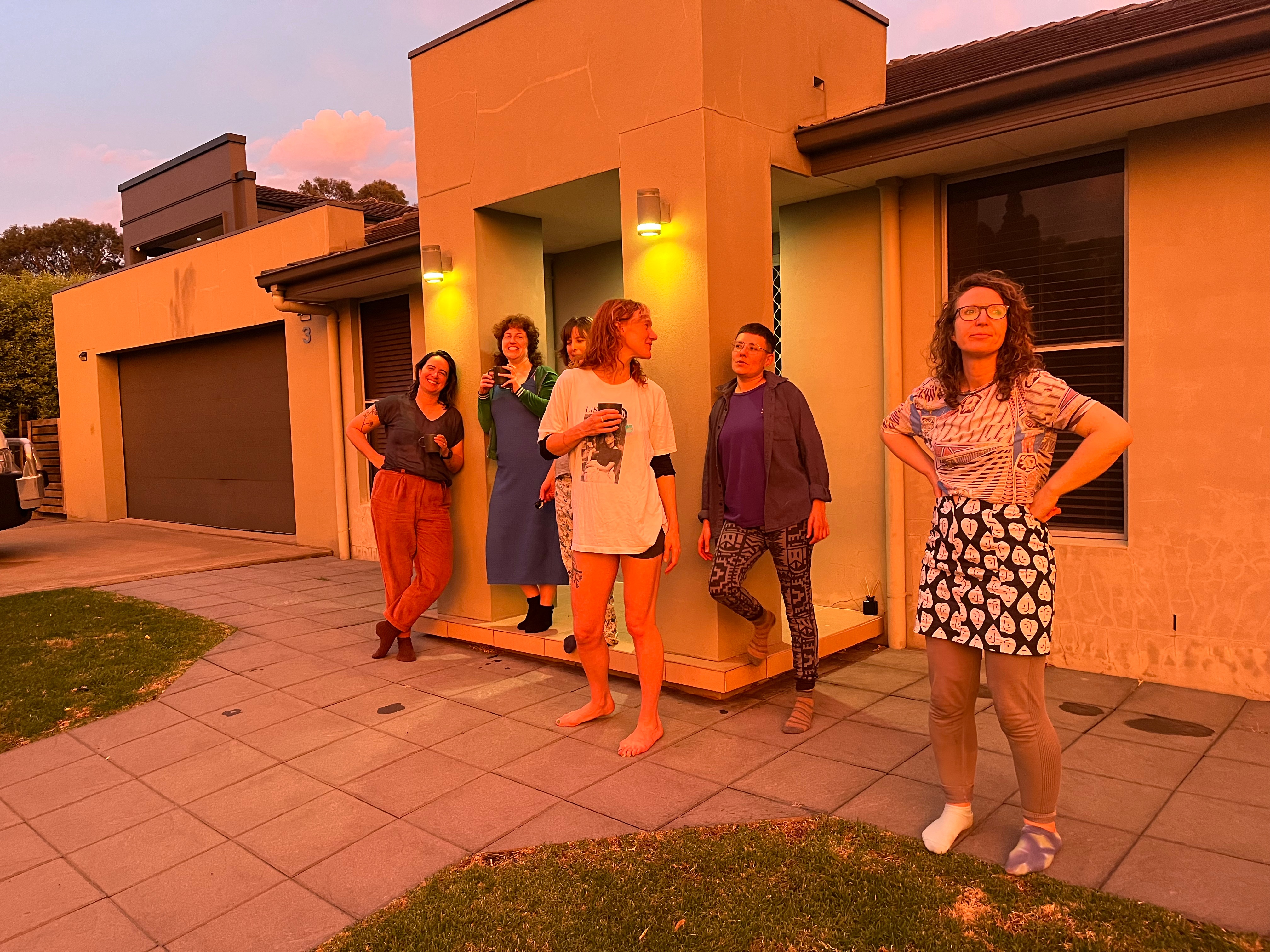
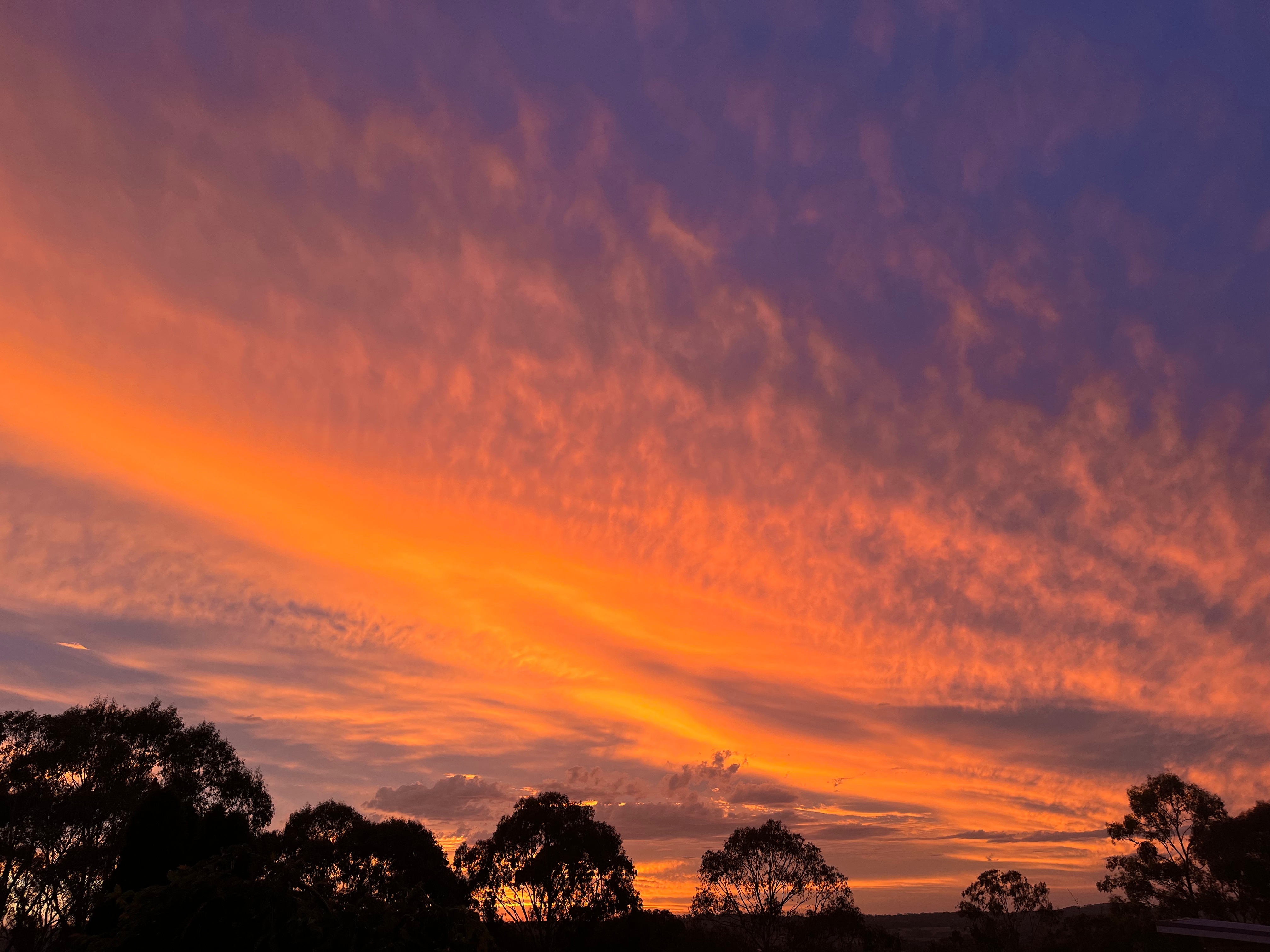
~~ learning and feeling reciprocity ~~
Immense gratitude to Uncle Steve and all custodians of Anaiwan Country. Always was and Always will be Aboriginal Land. Huge thank you especially to Blanche Verlie and Jennifer Mae Hamilton for making it all happen. Thanks to Carrie Terbasket, Susie Pratt, Laura McLauchlan, Miri Raven, Ju Bavyka, Juan Salazar, Nina Vroemen, Tessa Zettel and Christina (MK) Kenny for the generosity with your time, joy, ideas, questions, and desires for different ways of doing things.
*Note: the questions that introduce this blog post were offered up by retreat participants, and are not *my* ideas! These four questions, in order, were proposed by: Miri Raven (also the question in the title of this blog post); Carrie Terbasket; Susanne Pratt; and Ju Bavyka.
 The FEELed lab