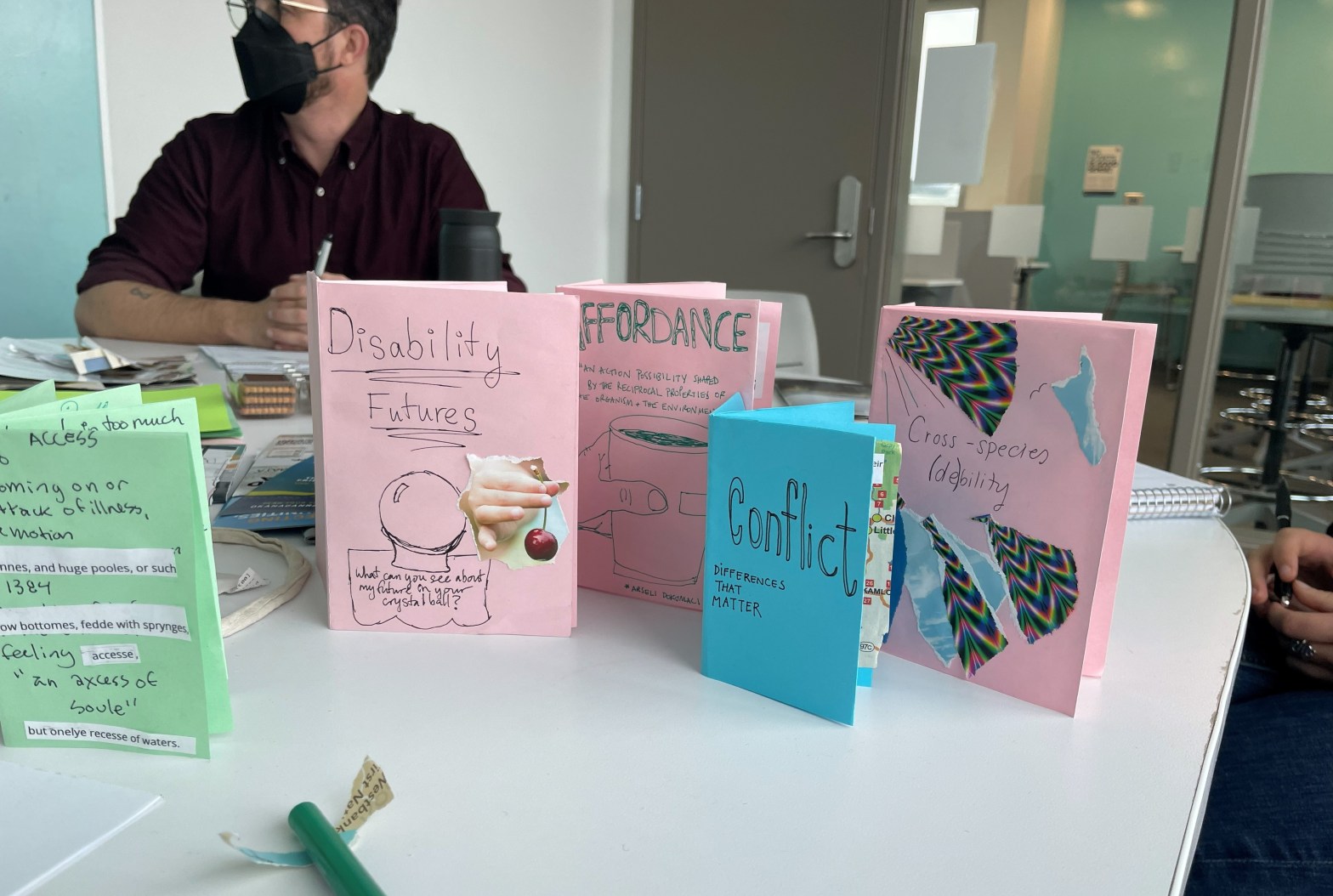
This FEELed Note was written by Emma Carey, Research Affiliate with the Enhancing Access and Inclusion in Environmental Humanities Research Practice Project, in collaboration with FEEled Lab Director Astrida Neimanis.
Through our access and inclusion project, we searched for best practices on 25 labs’ websites. During this process, it became clear that some labs stood out as “champions” of access and inclusion. I want to tell you more about three of these champions: Civic Laboratory for Environmental Action Research (CLEAR), Access In the Making Lab (AIM), and Critical Design Lab.
The Civic Laboratory for Environmental Action Research (CLEAR), led by Dr. Max Liboiron, is a plastic pollution science research lab. They use feminist, anti-colonial approaches to uphold their values of “humility, equity, and good land relations” (CLEAR, n.d.).
CLEAR (n.d.) is exemplary for using protocols that are in line with their lab values “rather than leading with good intentions” (as they put it). These are step-by-step guides for various situations lab members might encounter, including how to make an apology, how lab meetings are run, how author order for articles is discussed, and how their lab values are chosen.
Protocols can be useful in ensuring everyone shares expectations for how to handle a given situation and how lab values are actioned. CLEAR’s (2021) protocols are available in their Lab Book. I spent a number of hours reading and rereading through the rich material to be found there. Thank you CLEAR for sharing what you’ve learned so generously!
CLEAR uses their website as online documentation for projects, so it’s easy to learn from them. One of my favourite quotes from Max Liboiron (2021) on the difficulty of accessible labs is: “The ethical/justice/inclusion issue isn’t attracting underrepresented students: it’s retaining them by supporting them to flourish on their terms.” It’s a great distillation of why approaches to access need to be about more than accommodations. (And why websites as welcome signals – the focus on this fieldscan – can’t do the work of access and inclusion on their own!)
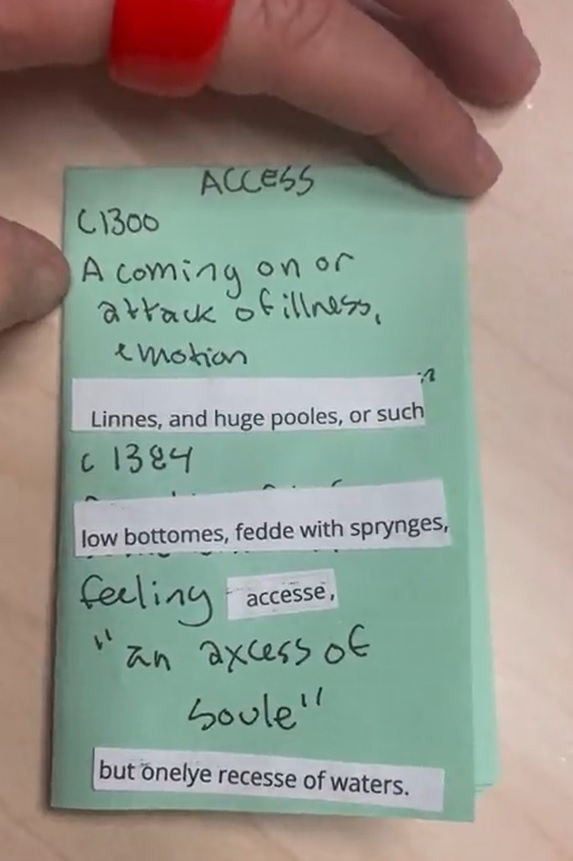
The next champion is Access In the Making Lab (AIM), led by Dr. Arseli Dokumaci. AIM (n.d.) is an “anti-colonial, anti-ableist, feminist research Lab focused on issues of access, disability, environment and care”. Their website also includes many protocols, developed based on inspiration from CLEAR’s work. Importantly, they also have a protocol on “Accessible Website Design” (AIM, 2022b) that details some of the nitty-gritty details of margins, fonts, colours, and alt-text.
As a disability justice lab, AIM’s (2022a) approach to access is to engage with it “creatively, critically, and curiously, rather than legally, institutionally, and retroactively” (p.7). One of my biggest learnings from Arseli comes from how she writes of access as joy. We have also strived to incorporate this in our project! Thinking and making access can be community-building, inspiring, and fun.
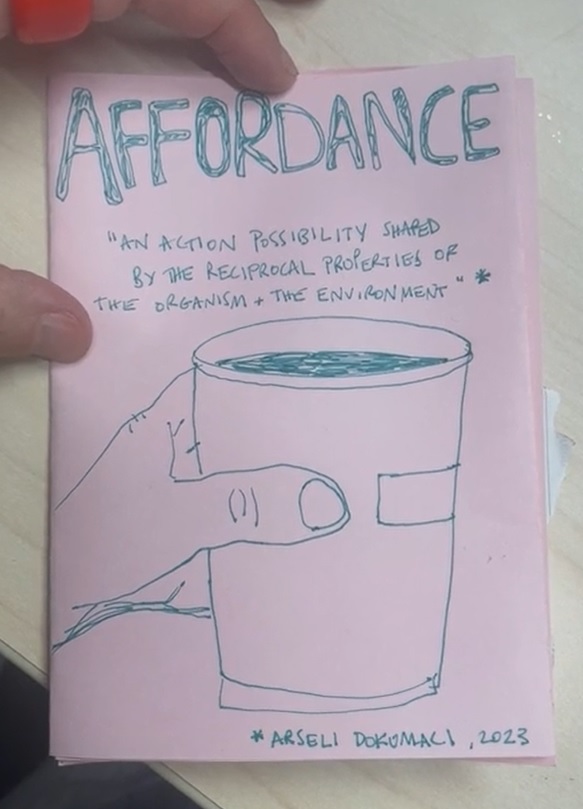
The third champion is Critical Design Lab (n.d.a), an arts and design collaborative “centered in disability culture and crip techno-science”. It is led by Dr. Aimi Hamraie, a disabled designer and design researcher. Their website has a great variety of available protocols and in-depth blog posts that describe the work and values of Critical Design Lab.
One post discusses Black Lives Matter. This is not just a statement of solidarity, but a description of tangible anti-racist commitments the lab makes. One of my favourite commitments is “we affirm the value of human life over property … questions of who lives and dies from COVID-19 reflect hierarchies of valued life that were designed by slavery, colonialism, and eugenics […] that find manifestation in ableist calculations of productive and valued life” (Critical Design Lab, 2020). This commitment is inspiring, as it it brings together history, theory, and practice, as well as the mundane but vital business of everyday protocols for lab life. Critical Design Lab also specifically calls in universities as sites of stolen Indigenous Lands.
For the fourth time, I’ll mention protocols, which indicates how important I found them to be! Critical Design Lab (n.d.b) has protocols on how they make their podcast, on leading remote dance parties, on slowing academic time, on teaching during COVID, and on accessibility mapping. Overall, their protocols tend to feature how they conduct their projects rather than the day-to-day running of the lab.
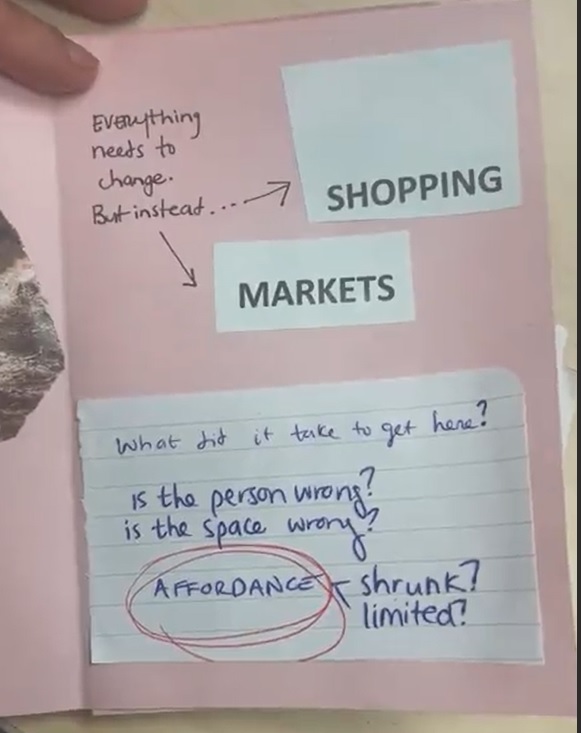
Thank you to all three of our champion labs for putting so much time and effort into your websites! We (the FEELed Lab Access and Inclusion Team) have learned so much from them and can’t thank you enough.
And a closing note from Astrida: Reading over and editing this fantastic two-part blog series on “Websites as Welcome” by Emma now, at the conclusion of our own project, reminds me how much we have been inspired by the practice of others, adopting and adapting many of the insights we have gleaned. It also reminds me how much work we have to do on our own website! This includes sharing some of the practices and protocols that are implicit in our work now, but should be made more explicit. What more can we share, as a sign of welcome to others? Please send us your suggestions!
References
Access In the Making Lab [AIM]. (n.d.). What AIM is/is not. https://accessinthemaking.ca/what/
—. (2022a). Accessible website design. https://accessinthemaking.ca/wp-content/uploads/2023/02/AIM-Accessible-website-1.pdf
—. (2022b). Access in the Making (AIM) Lab Manifesto. https://accessinthemaking.ca/wp-content/uploads/2024/03/AIM-Manifesto_March2024.pdf
Dokumaci, A. (2023). Activist Affordances: How Disabled People Improvise More Habitable Worlds. Duke University Press.
—. (2020). People as Affordances: Building Disability Worlds through Care Intimacy. Current Anthropology, 61(S21), S97–S108. https://doi.org/10.1086/705783
Civic Laboratory for Environmental Action Research [CLEAR]. (n.d). About. https://civiclaboratory.nl/
—. (2021). CLEAR Lab Book: A living manual of our values, guidelines, and protocols. Civic Laboratory for Environmental Action Research, Memorial University of Newfoundland and Labrador. https://civiclaboratory.nl/clear-lab-book/
Critical Design Lab. (n.d.a). Critical Design Lab is a multi-disciplinary arts and design collaborative. https://www.criticaldesignlab.com/
—. (n.d.b). Critical Design Lab Protocol Index. https://www.criticaldesignlab.com/protocols
—. (2020, June 2). Critical Design Lab Statement on Design Commitments to Abolishing White Supremacy. https://www.criticaldesignlab.com/blog/anti-racist-critical-design
Liboiron, M. (2021, December 30). Starting CLEAR, maintaining CLEAR. CLEAR. https://civiclaboratory.nl/2021/12/30/starting-clear-maintaining-clear/
 The FEELed lab