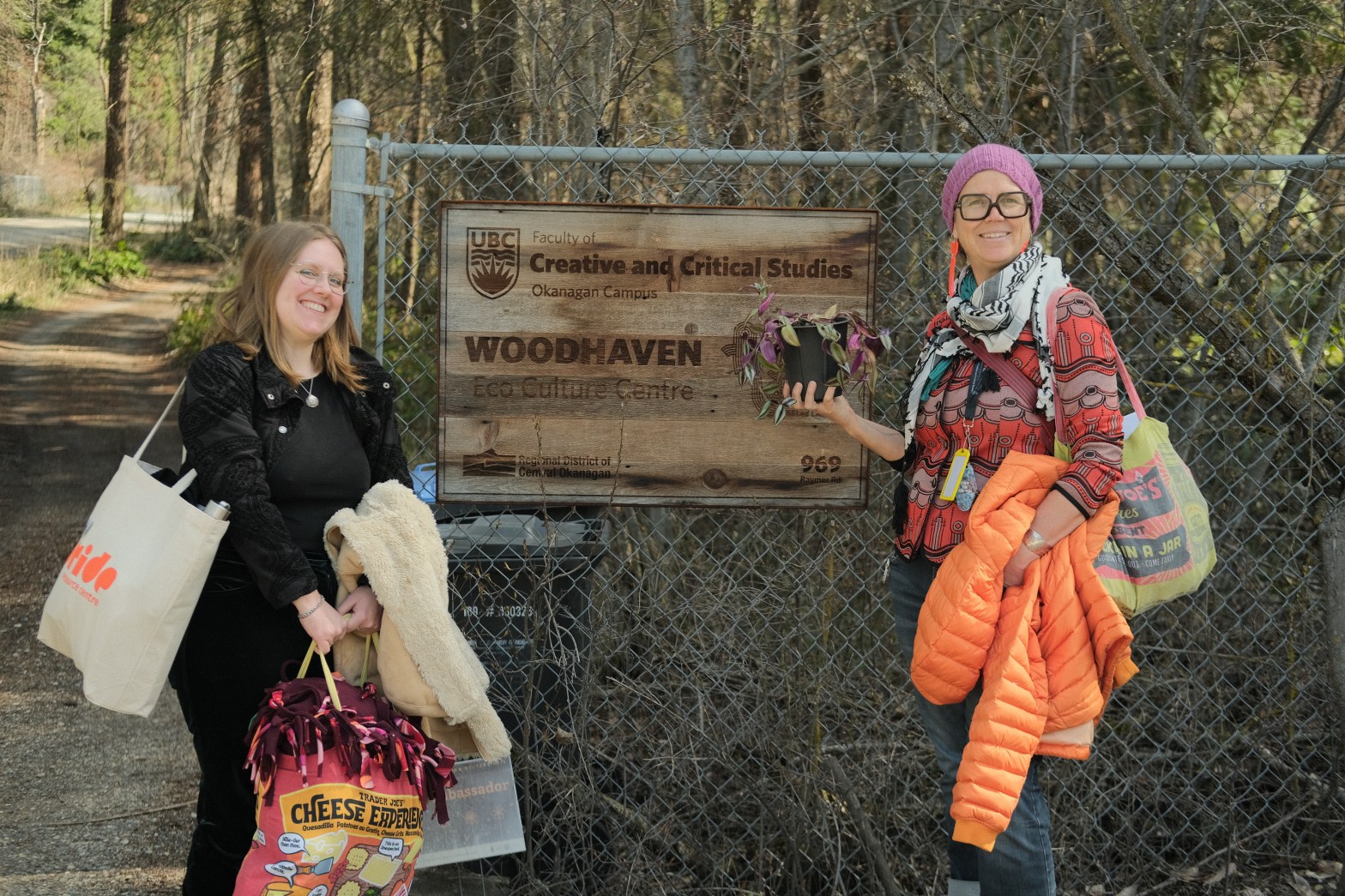
This FEELed Note was written by Emma Carey, Research Affiliate with the Enhancing Access and Inclusion in Environmental Humanities Research Practice Project, in collaboration with FEEled Lab Director Astrida Neimanis.
Now that we wrapped up the FEELed Lab’s Access and Inclusion project, we asked our team members to reflect on what they learned from the experience. What thoughts/insights/lessons would they take into their work and daily lives?
Natalie
In spaces that ask us to be endlessly productive, careful, and responsive, the practices I’m bringing more intentionally into my work with students, colleagues, and community partners are: lowering urgency, building next steps together, checking in, making room, and being encouraging. Through this project, I was reminded again and again that trust and creativity can emerge from simply showing up in the ways we can, and that shared attention is generative and nourishing.
Inspired by a practice in our group, I combined snippets from emails I sent today into this piece:
I hope you feel better soon
and get some proper rest.
Take care.
I always appreciate you keeping in touch —
letting me know how it’s going for you.
I really want to support your success
in finishing the program
in a way that is successful
and healthy
for you.
Thanks to all four of you
for your wonderful contributions yesterday.
This can evolve after we meet.
We’ll build the next steps together.
I am hopeful.
I am excited.
Agree — this might be too much
to fold into this newsletter
with all the other pieces in play.
No rush to get back to me.
There’s no urgency on my end.
Thank you for reaching out
and being accountable.
I completely understand.
It’s an easy mistake to make
and we can remedy the situation.
Checking in
how is it going
gathering group tasks and memory?
Can you send me a quick update
when you can?
I hope you’re doing okay.
I’m just writing to check
that my last-minute request
didn’t cause you too much stress.
All worked out.
The students found each other.
It turned out to be a great class.
If you have context to share,
I’m listening.
For now, please hold the time —
in case.
I know you’re juggling
a lot of balls over there.
I’m here to support
the shaping of this
at whatever level
feels best for you.
If there’s a chance you can print this,
I can swing by.
If not,
no worries.
Jenica
It was a true delight to be considered for/in this project, and to participate in the journey. People say form follows function, or the process is the product. Basically, it’s not the destination – it’s the journey that counts. These sayings have rung true throughout my entire experience with the Access and Inclusion Project.
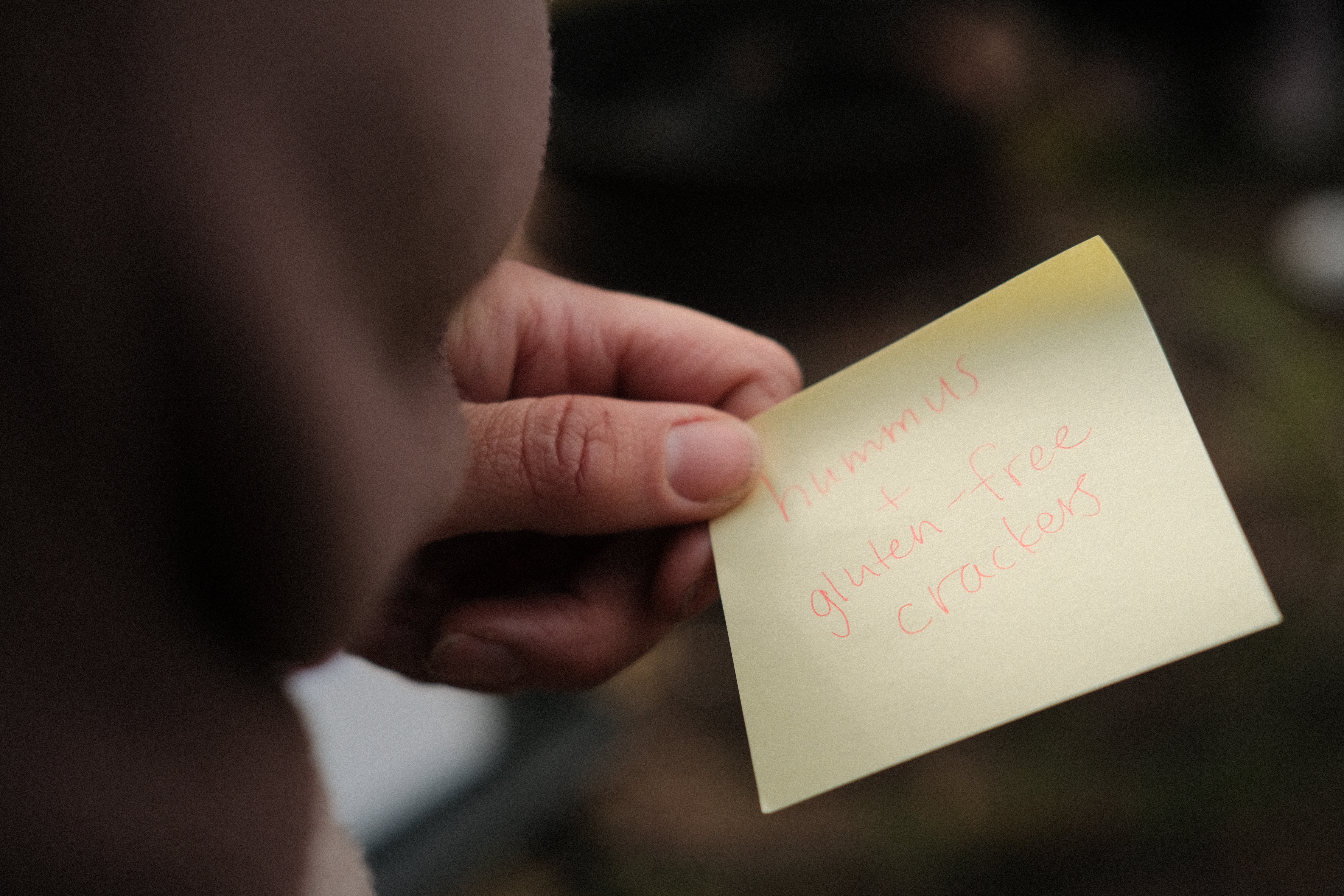
Meetings were scheduled to accommodate childcare needs and hybrid options were available to ensure we could still participate if we felt unable to make it in person. Meetings in-person were hosted in well-lit spaces with a variety of nutritious and delicious snacks. Events started with thoughtful check-ins, warm smiles. A mic was used in outdoor spaces to ensure all could hear.
The project looked at access, inclusion, affordance, at how access is signaled, at how considerations are made, which ones and to what/which end. I’m left thinking about the nuances between accommodations and considerations, how each aims to include but how considerations somehow feels different, better. To be continued. Hope you can make it!
Emma
Some of my first interactions with access were in the corporate world in the guise of DEI (diversity, equity, and inclusion). I felt glad others were starting to think about how to involve more people in their work, but I also felt something was missing.
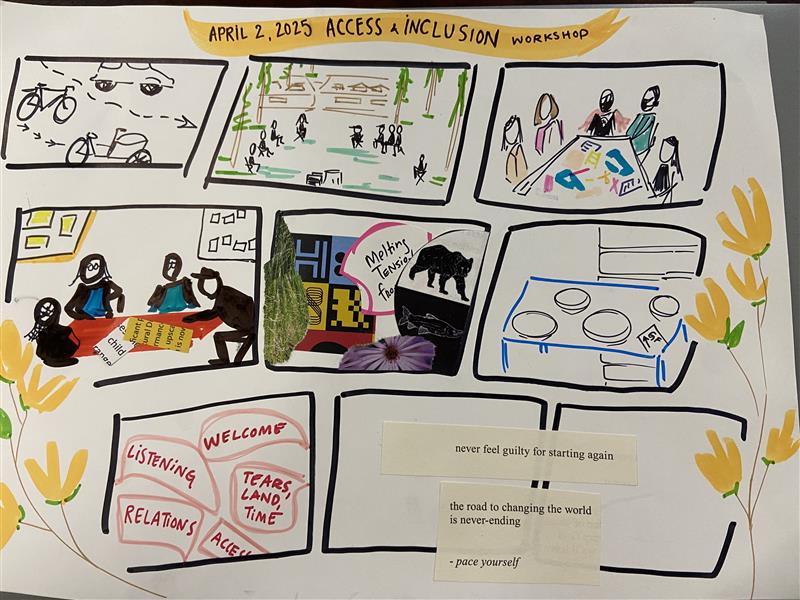
I found that missing piece at the FEELed Lab, where we used storytelling to connect with each other and our own lived experiences (instead of a check-the-boxes approach to access!). We built and held space where relationality, affordances, and welcome were used to create inclusion. My definition of what’s included in access has broadened. As I go through my daily life, I find myself pondering questions of who might feel (un)welcome. I’ve felt a small but significant internal shift in how I move through the world. To echo Jenica, thanks and see you next time!
Matt
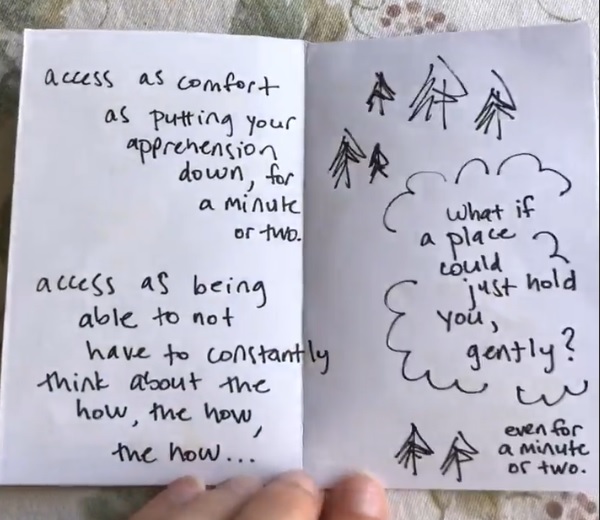
Writing about what I learned from this project turns out to be a harder request to fulfill than it might seem at first. Often these days, I feel that I am learning the same lessons over and over throughout my life. That may make me sound like a fool—which, I may well be—but that’s the pattern whether I like it or not. In this project, I witnessed once again the familiar slipperiness of access and equity, their living mutability, their constant coming-into-being, and their sliding away.
It’s difficult to be specific about this without writing a much longer message. Perhaps what I learned (yet again) was the importance of kindness. It’s exactly the type of word that makes a certain segment of the world cringe. It’s exactly the kind of word used to mock work in the creative arts and humanities, but its effects are enormous, persistent, and pitched against everything that wishes to destroy. I’ll live in that enormity as long as I can. As far as lessons go, I’m grateful to learn it over and over.
Christine
I am grateful to have been included in the Access and Inclusion project, where I learned how nuanced and complex the idea of access is. Coming from a public service background, I had predominantly thought about access from a top down, engineered solution perspective. What I learned in this project was just how communal access and inclusion can be, how important communication is – asking and listening carefully – to ensuring that everyone’s needs are understood.
It is only from this understanding that we can adequately move forward together to overcome barriers. Spaces don’t have to be ideal for access to be performed by a community.
Astrida
I initiated this project because I already knew that the notion of “access and inclusion” needed to expand to encompass far more than many researchers assume. What surprised me most, though, was seeing how useful storytelling could be as a method for connecting abstracted ideas of “access and inclusion” to lived experience.
Importantly, in the process of implementing this project the team also really tried to embody the values and principles we were examining: about taking care of ourselves and each other; responding to needs and limits as they arise; understanding place as important context for thinking about access; and being vulnerable.
I hope one of the contributions of this project will be a slight shift in (our) university culture around outputs and productivity. Moreover, our meetings were always caring and joyful, and I looked forward to them – how often do you hear that about university meetings?
 The FEELed lab