
Neela Rader (they/them) is a sibling, artist, and community organizer living in the traditional, unceded, and currently occupied territories of the syilx people. They love David Bowie, playing the fiddle, and spending time with their sibling. This FEELed Note is part of our occasional series featuring outstanding feelz from undergraduate students. In the springtime of 2017,… Continue reading Dear Mill Creek, Sorry for Everything– P.S. I Love You
Author: astridaneimanis
Returning to the Shore: the Power of Ritual

This FEELed Note is from Grace Henri who is a research affiliate leading project “Nostalgia Forecast”, which investigates the complexity of eco-grief, and more specifically, how we mourn what we have not yet lost. Every day we line up small rocks by the shoreline. Methodically we push them into the smooth sand, spread equally apart… Continue reading Returning to the Shore: the Power of Ritual
“Walk as if your feet were ears”
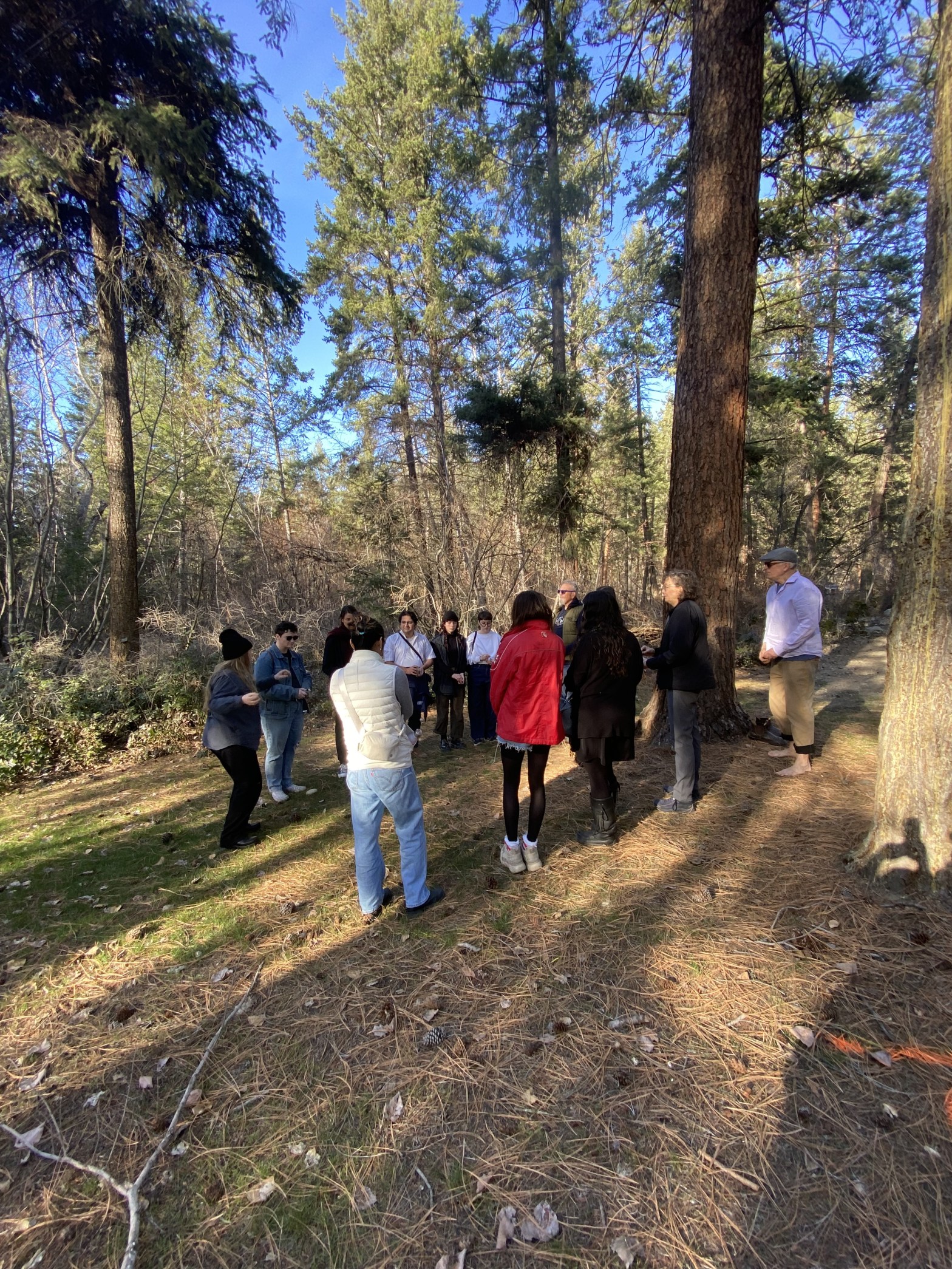
When I met Anne Bourne in person for the first time over a year ago, she told me about a kind of listening that she has learned from Pauline Oliveros: walk as if your feet were ears. A few weeks ago, the FEELed Lab was lucky to gather a group of students, faculty and community… Continue reading “Walk as if your feet were ears”
Multispecies Drag and Gender Abundance

On 2 March, we launched Biodiversities of Gender, a new project at the lab (read more here) with our first workshop: Multispecies Drag! The aim of this gathering was to experiment with how drag can help us think about and practice gender abundance in ways that may extend beyond our typical understandings of human gender.… Continue reading Multispecies Drag and Gender Abundance
On raccoon feet, troubling wilderness, and taking the carpool.
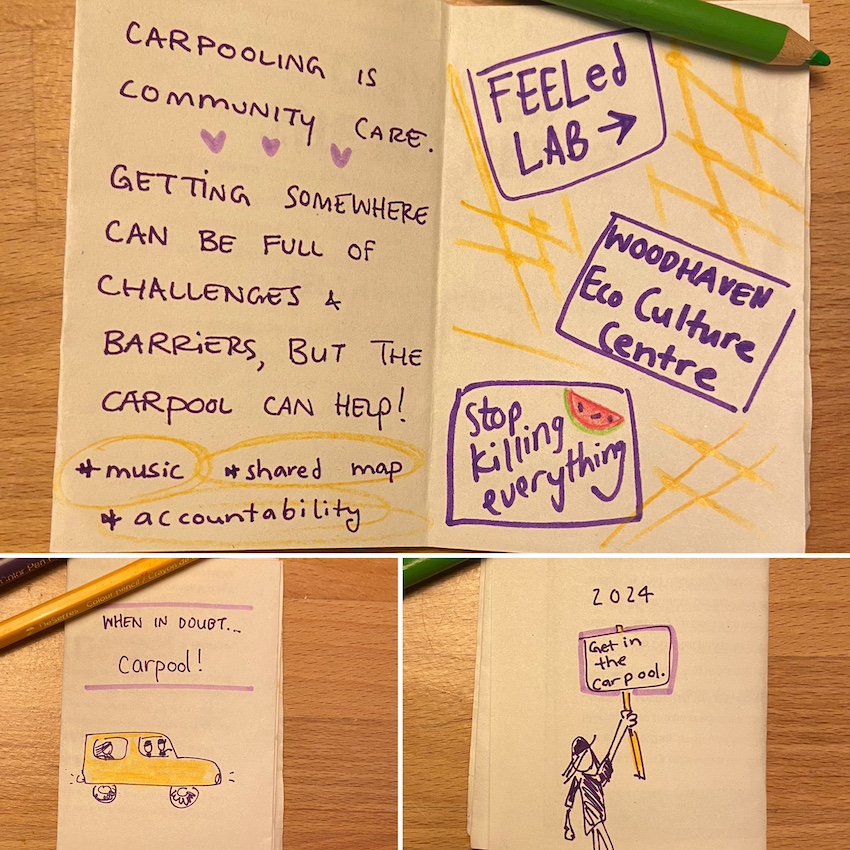
This FEELed Note is the next update from our SSHRC-funded “Enhancing Access and Inclusion in Environmental Humanities Research Practice” Project. This project’s intent is to explore access and inclusion as it manifests (or doesn’t) at environmental field research labs – such as the FEELed Lab. As it unfolds, we are also realizing that it’s just as… Continue reading On raccoon feet, troubling wilderness, and taking the carpool.
Reflections on Collective Eco-Grief

This FEELed Note is the second post from Grace Henri, a research affiliate leading the project “Nostalgia Forecast”, which investigates the complexity of eco-grief, and more specifically, how we mourn what we have not yet lost. There are vines slowly making their way up the side of my home – of our home. I think, even,… Continue reading Reflections on Collective Eco-Grief
Extending the FEELed

A contribution from FEELed Lab Director, Astrida Neimanis. Since its inception, the FEELed Lab has been about building community and sharing the kinds of thinking, making and doing that happens in a very situated way (even when on ZOOM) at the Lab. I also have a pretty robust research program that I used to think… Continue reading Extending the FEELed
Micropoems for microclimates

On October 18 we convened our first event of the year at the FEELed Lab as part of our “Craft-a-strophe!” series. As the name suggests, this series uses making things (“craft”) and thinking with poetry (“strophe” is a technical word for part of a poem) as a way to feel our way into the catastrophes… Continue reading Micropoems for microclimates
Returning…
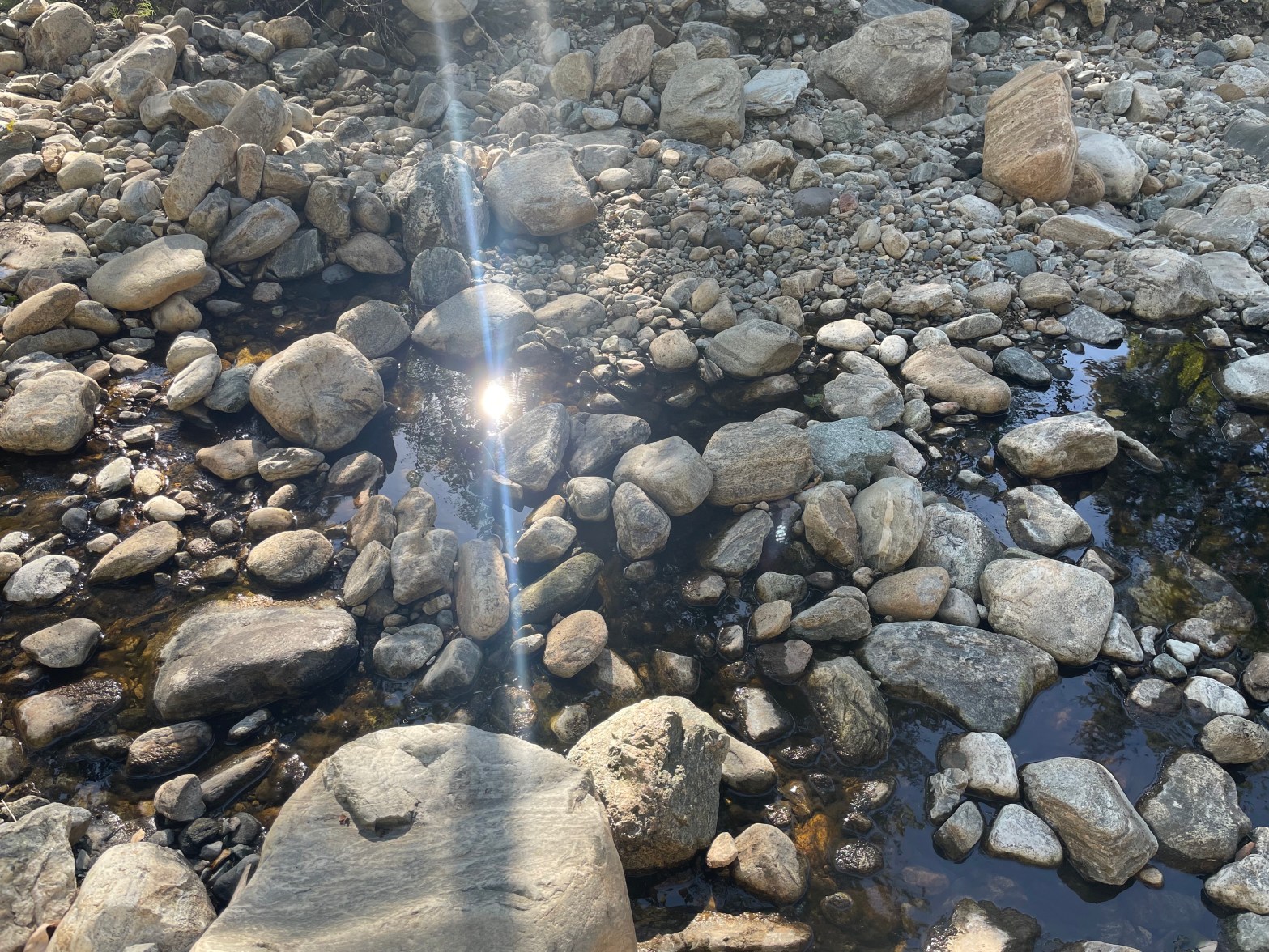
Hello, fellow FEELers! We are returning a little more slowly this year… the summer months brought many challenges, not least the catastrophic drought and the wildfires which were felt by all of us in this place, in different ways. The late September rain was very welcome, and had me (as a settler here) contemplating one… Continue reading Returning…
A year in the FEELed (2022/2023)

What a year! It is amazing to think that 18 months ago, the FEELed Lab was just finding its feet – stretching out a few toes across the grass to test whether it could find its footing, and whether there would be anyone else in the field (FEELed) who wanted to join in. Fast forward,… Continue reading A year in the FEELed (2022/2023)
 The FEELed lab