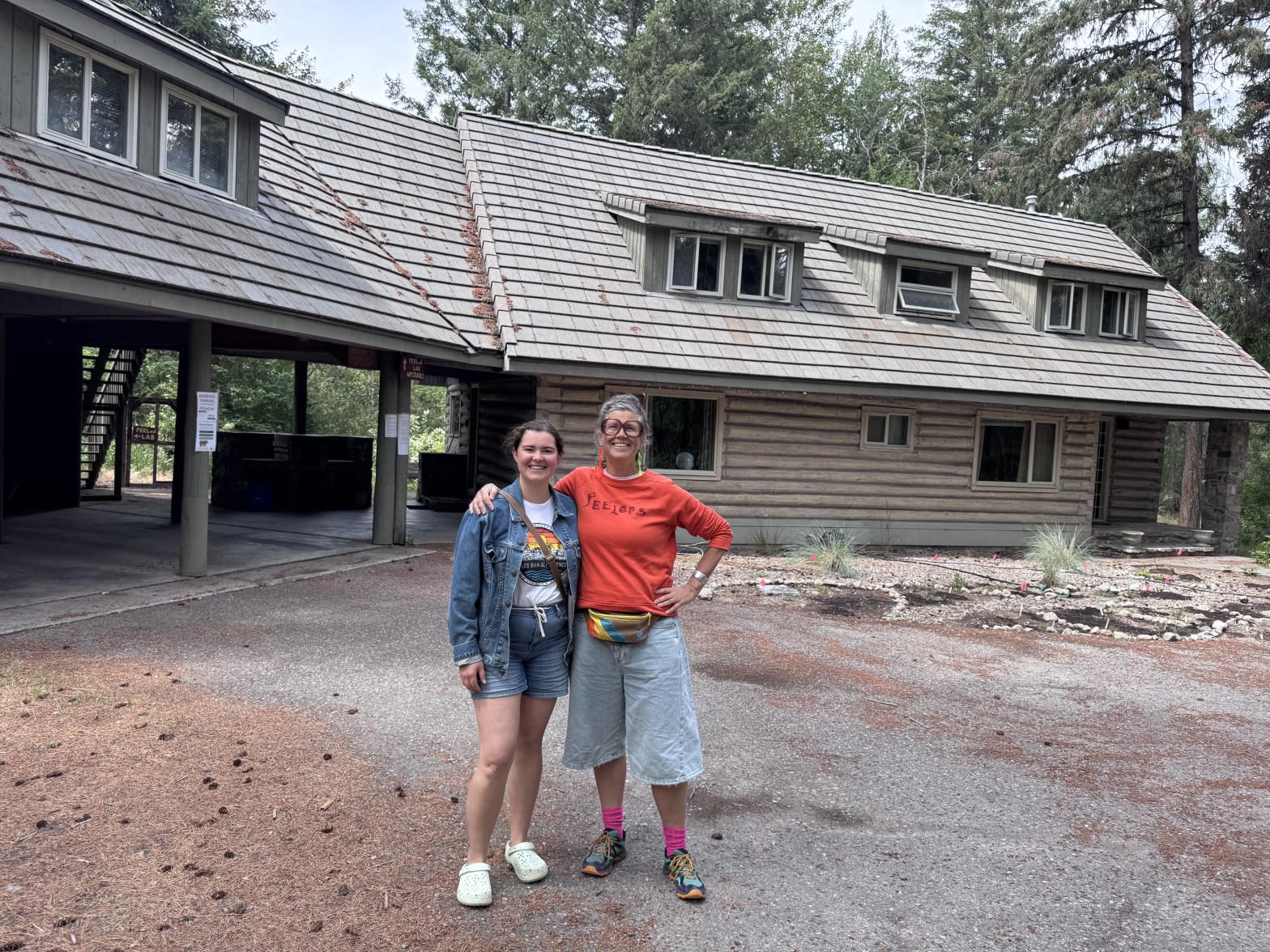
On 4 June, our former Research Associate and core FEELed Lab member Emma Carey returned to Kelowna for her convocation! Emma completed an MA in Interdisciplinary Graduate Studies (Sustainability Theme), and produced a thesis entitled “Growing Plant Love: Park user perceptions of invasive plants in two parks of Kelowna, BC.” This work offered new ways to think (and feel) about invasive plants in two parks near to the FEELed Lab, developed from walking interviews with people who visit these places. Emma’s thesis was also methodologically innovative, including not only walking interviews but community zine-making workshops, too. You can read it here.
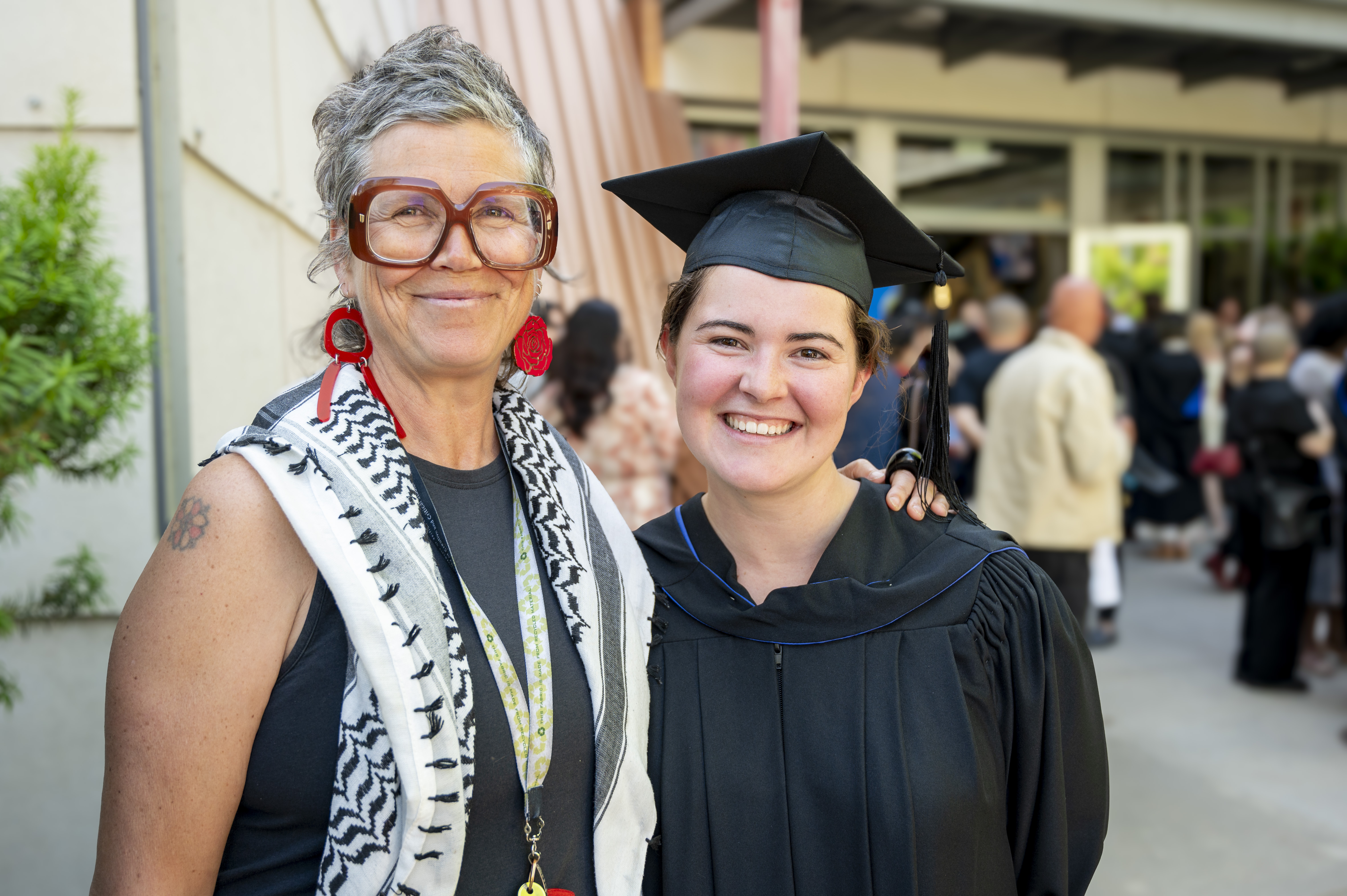
Emma was also our main RA on our “Access and Inclusion in Environmental Humanities Research” project – check our her many blog posts about this project, including her summary posts (here, here and here) about the many things that we learned from the research.
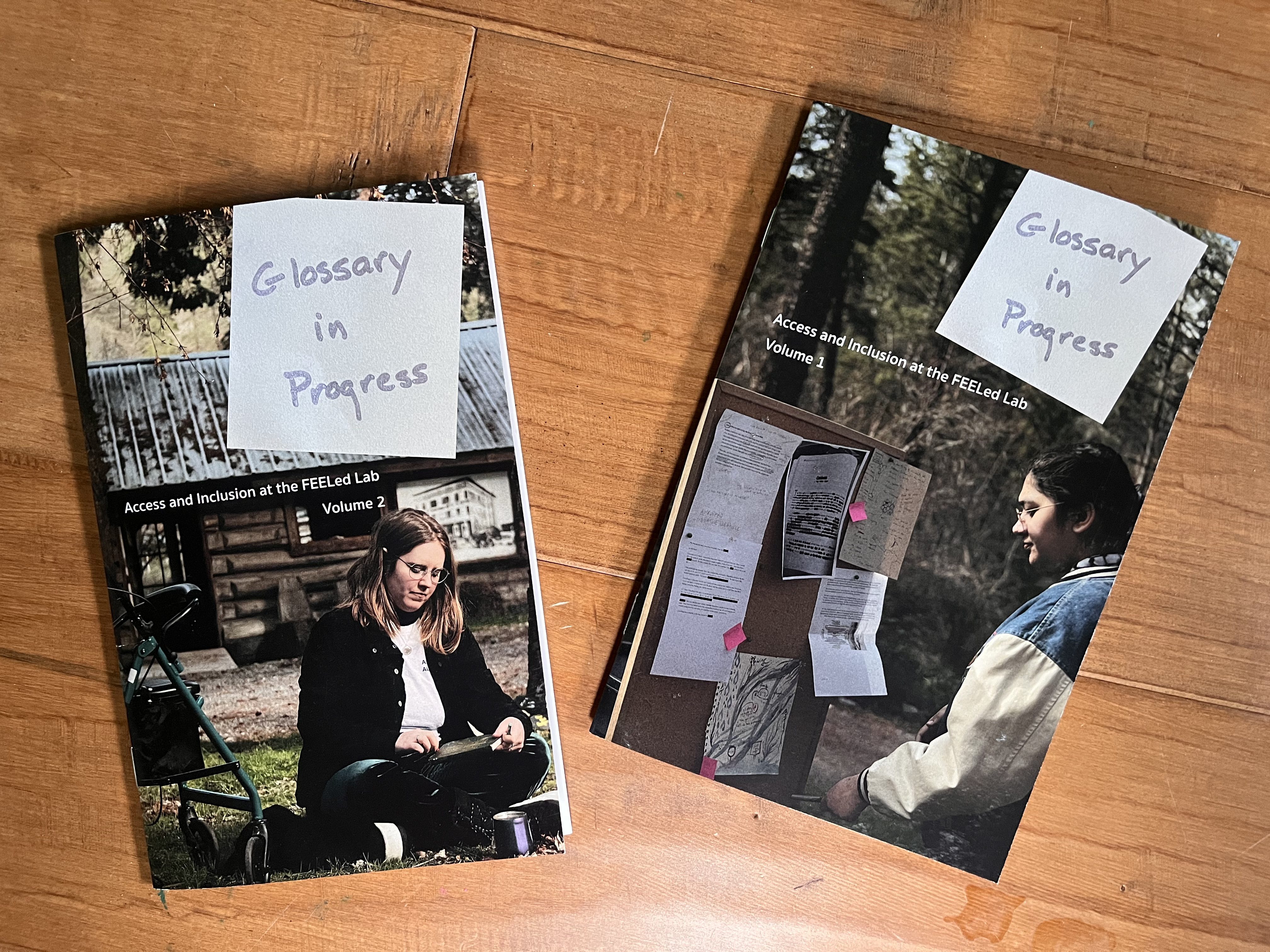
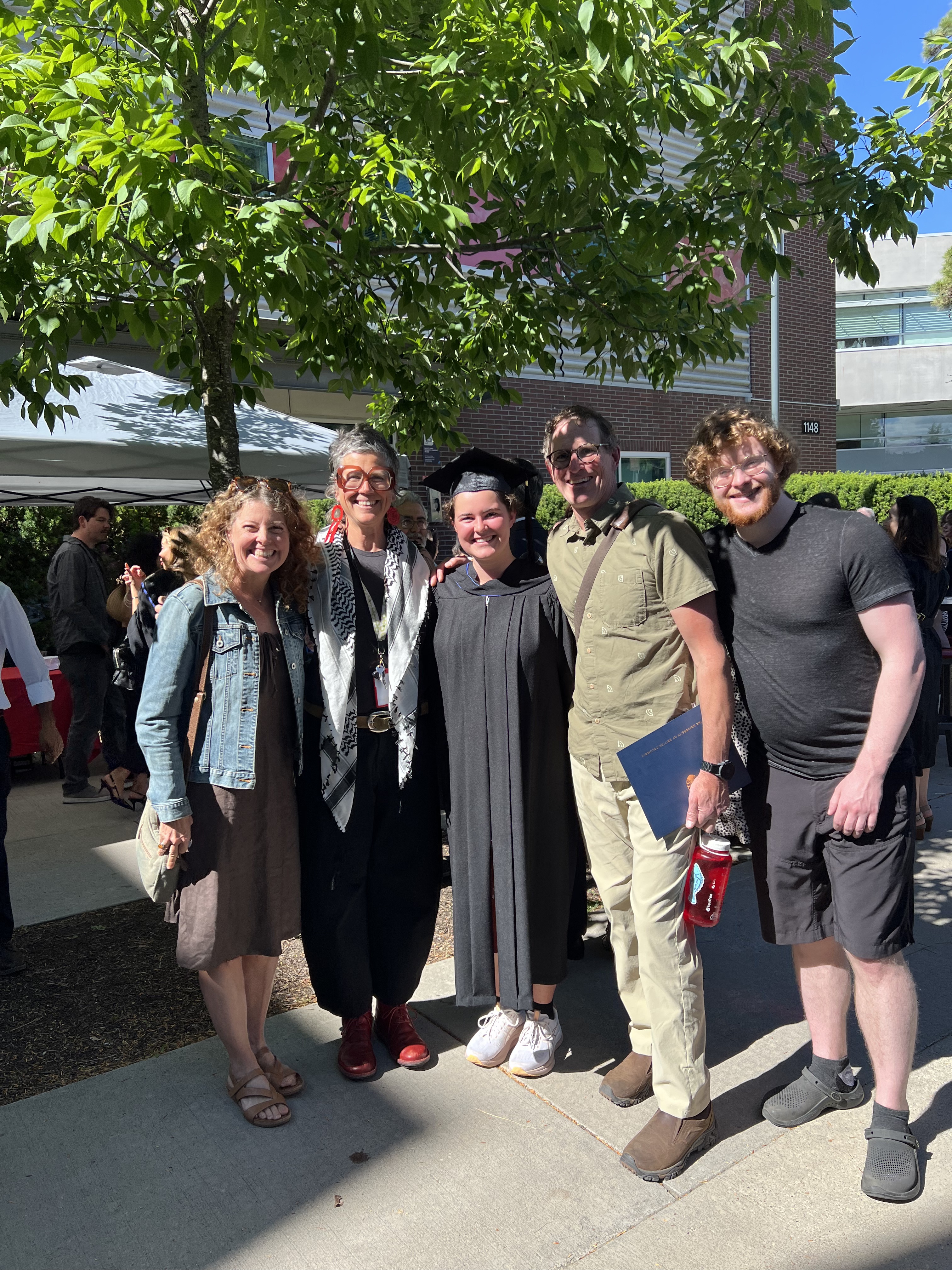
After the ceremony on Thursday, Emma brought her family down to the FEELed Lab on Friday to show them the place that was so integral to her learning here.
It is a strange feeling to be back in a place that you have once been so intensely a part of, but have since moved away from. Spending time with Emma on Friday at the Lab, I was intensely reminded of this experience. It is both joyful (this place is still doing well!) and melancholy (even as I am no longer part of its everyday-ness), and it is a reminder that place is always in time.
Places always carry our traces, for better or worse. In many ways, they are like external archives of what we have done, where we have been, and what we can do. Catriona Sandilands writes about the connection between place and what we can and cannot remember in her beautiful essay on Landscape, Memory and Forgetting: all memory is embodied, she writes, where there is also “an inevitable involvement of place in the physical, cognitive, emotional, and social acts of remembering and forgettin.” (283).
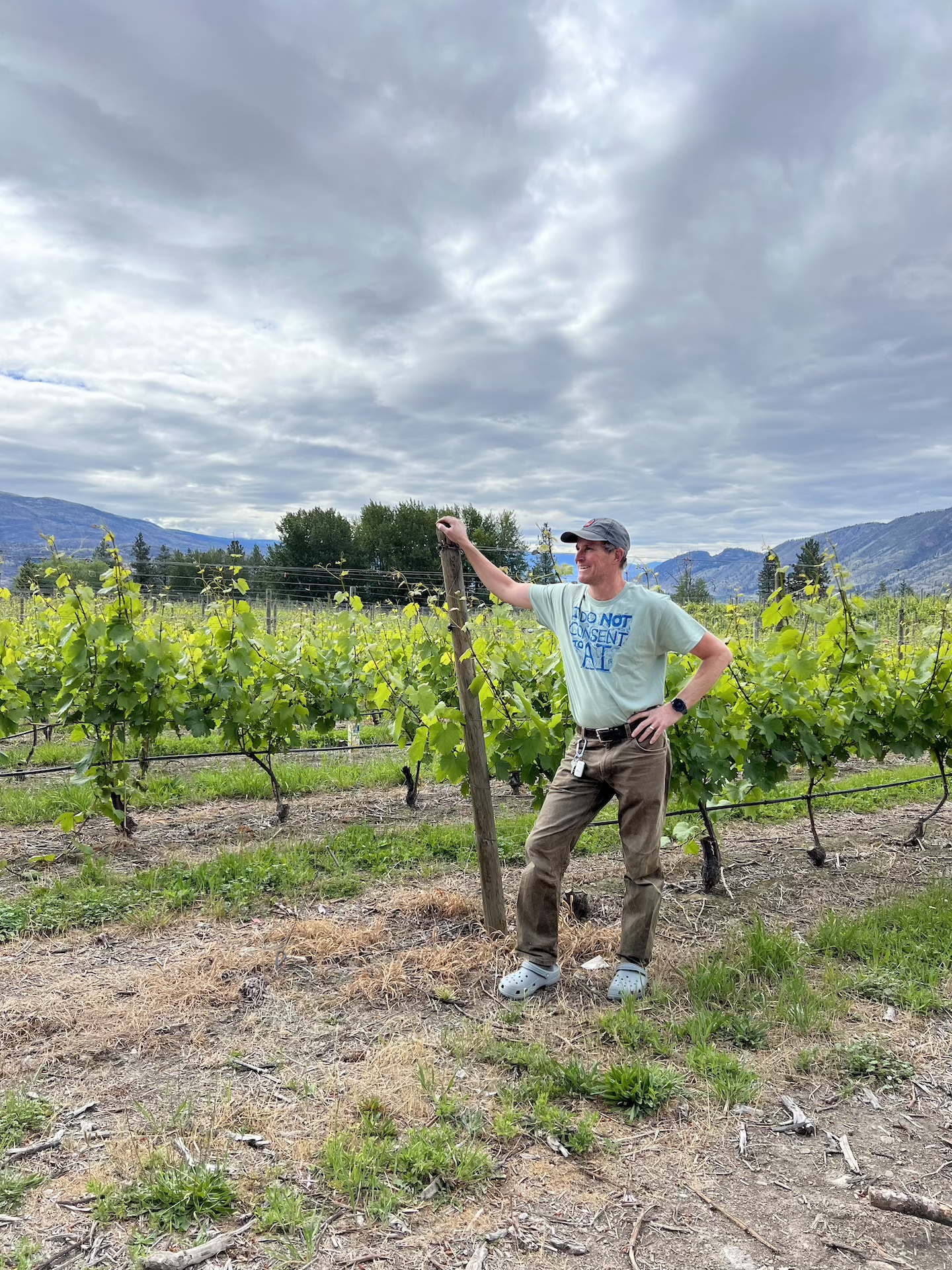
Other people are also places, or at least, their bodies triangulate with our own and the places we have been together. Our memories also persist in the people we’ve spent time with in place, and are rekindled through place experience. When I walk in and around Woodhaven, I can no longer pass by a great mullein, or a tree of heaven, without thinking about Emma, whose work instilled in me both an appreciation and a curiosity about these plants. I wonder how the land remembers our footfalls.

References:
Catriona Sandilands (2008). “Landscape, Memory, and Forgetting: Thinking Through (My Mother’s) Body and Place.” Material Feminisms. Eds. S. Hekman and S. Alaimo. Indiana UP.

