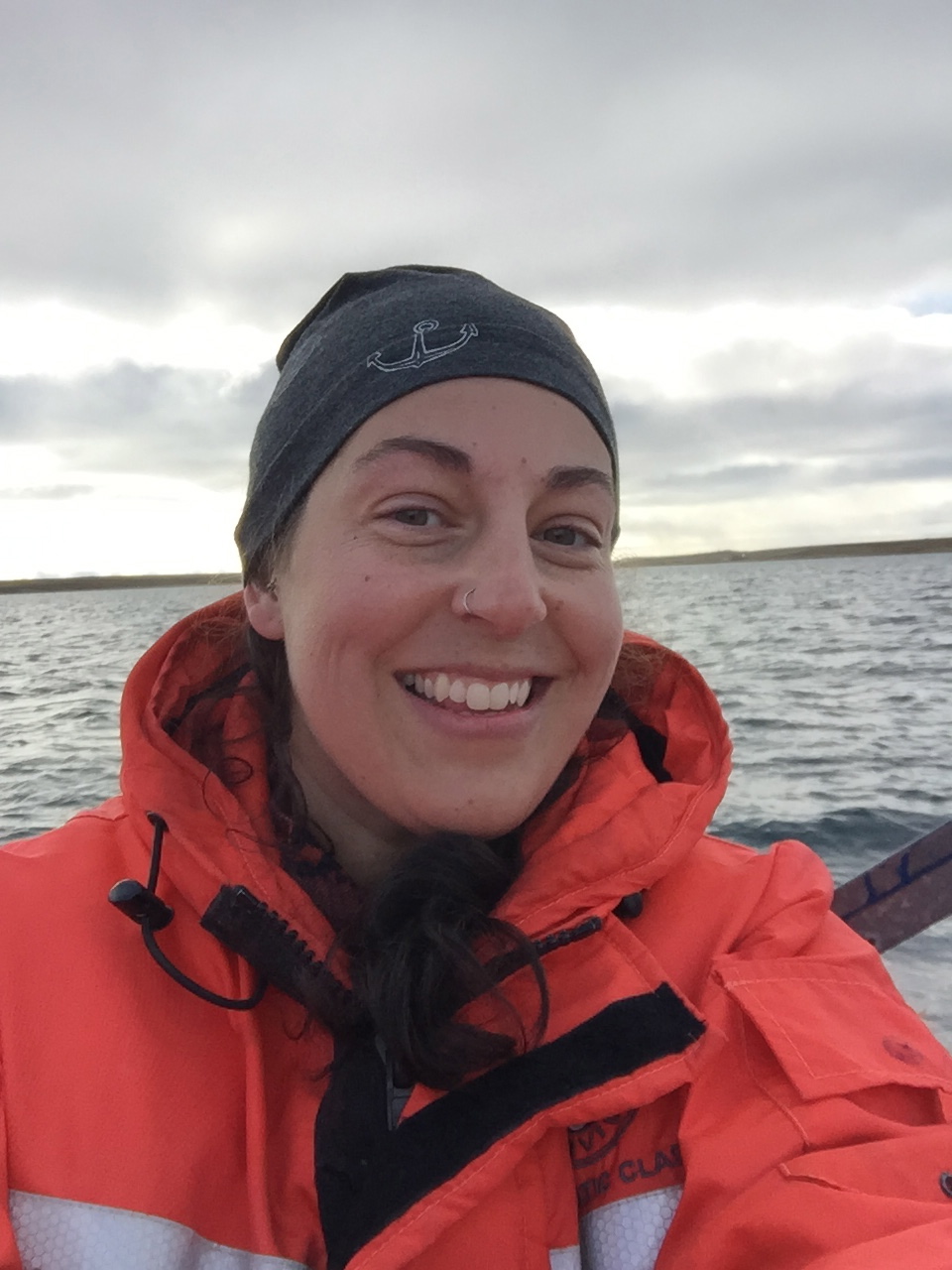
As we welcome new people to the FEELed Lab, we want to make space for longer introductions to project team members and research affiliates joining us this year. This profile is on Samantha Jones, who is joining the FEELed Lab as a visiting artist and researcher in September 2026.
- Can you tell us about your work/research?
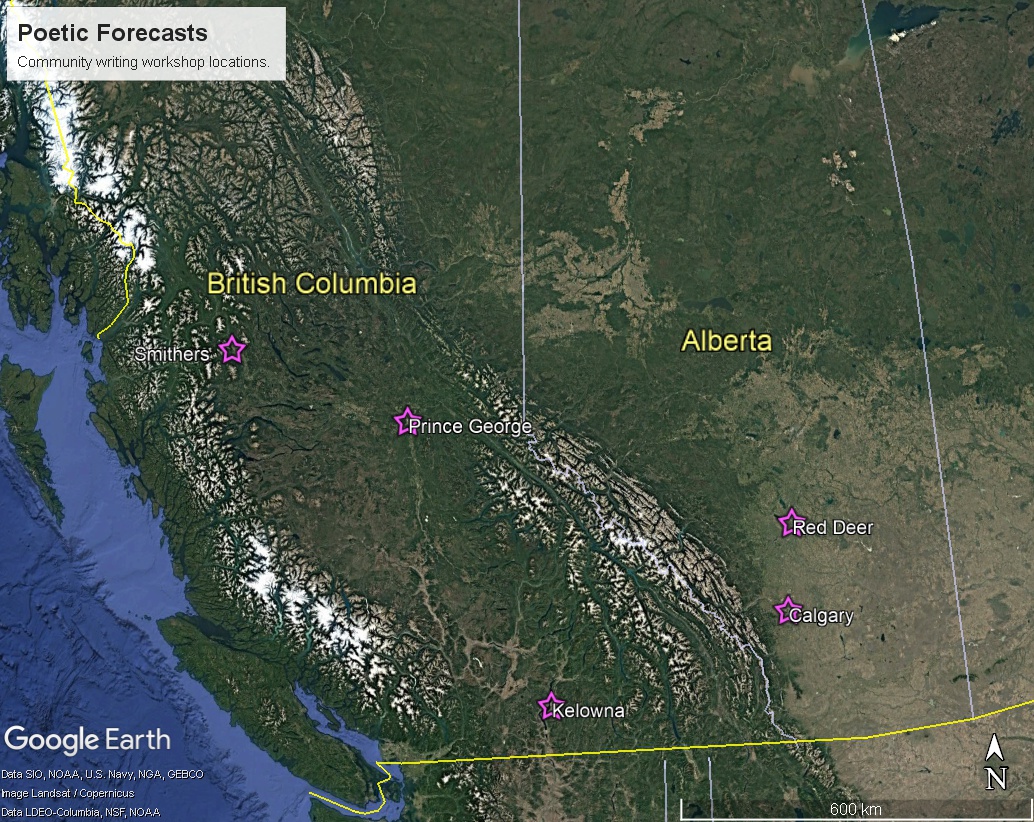
Poetic Forecasts is an interdisciplinary project that brings together my earth sciences and literary writing knowledge to build connections between weather and climate factors and lived experiences of wellness. Community writing workshops are the heart of the project—themes that emerge from group discussions and participant poetry will be compared with climate trends and futures for the workshop regions to identify intersections that can help inform wellness supports in the context of the changing climate. This research aims to deliver a series of engaging poetry workshops in Alberta and British Columbia, use short-form poetry as a method to link weather and climate factors to health and wellness, and develop a freely available poetic wellness tool.
My poetry and science lives became increasingly intertwined during my PhD program in the Department of Geography at the University of Calgary. My thesis investigated carbon dioxide and methane fluxes in a connected lake, river, and coastal ocean system in Iqaluktuuttiaq (Cambridge Bay), Nunavut, including quantifying the annual fluxes of these dissolved gases from the river to the coastal ocean, as well as the gas exchange between the river and the atmosphere. Although my PhD began as a traditional science project, it evolved to include an interdisciplinary chapter that positions poetic inquiry as a method to engage in systems thinking. The feeling of expansiveness associated with engaging in interdisciplinary scholarship inspired me to design a postdoc that would prioritize discipline boundary-smashing play and creativity.
2. Why did you want to work with the FEELed Lab?
I had collaborating with the FEELed Lab on my wish list as I was writing my postdoctoral funding application because of the lab values, location, and impressive research and artistic record. One of my intentions is to incorporate southern BC perspectives from a community writing workshop into Poetic Forecasts, which also includes workshops in northern British Columbia and central and southern Alberta. Beyond hosting a workshop, I could envision multiple possibilities for collaborating with the FEELed Lab including something akin to a research-creation retreat involving mutual exchanges with other scholars and community members, dedicated time to engage in poetic inquiry methods, and opportunity to directly experience and learn from one of the ecosystems featured in the project.
3. Why are expansive engagements with environmental issues important?
Scholarship that includes creative practices as recognized and legitimate parts of the research workflow can lead to unexpected and innovative relations between different disciplines and ways of working. My PhD fieldwork included collecting water samples to measure dissolved greenhouse gases in Freshwater Creek in Cambridge Bay, Nunavut. I was especially interested in the spring melt season when gases that accumulated under the ice over the winter in the lake upstream are released into the river where they can exchange with the atmosphere or travel downstream to the coastal ocean. Water sampling and data collection were guided by the parameters required to calculate gas fluxes. However, there were other details that communicated the unfolding spring breakup—the changing colours of the water in the river channel, the smell of thaw and sulfur, and the clinking sounds of candle ice decaying and moving downstream. To observe as a poet in those moments introduced a slowness that made room for deeper understanding of the system and I believe, a more thoughtful analysis of the scientific data as the project unfolded. Engagements that transgress boundaries and invite different styles and types of information into conversation or entanglement with one another should be acknowledged as sites of surprise and connection.
 The FEELed lab