If last year was a vortex girl summer, this summer has been a time of ~~strange confluence~~! This is what I’m calling that uncanny phenomenon where coincidences, confirmations and crossings happen with such frequency that they can’t be a mere chance … Surely you know what I mean? What is the universe telling us…?!
For me at least, it was a summer of such wild comings-together: of running into old friends in truly unexpected places; of the precisely right book coming into my hands in an unanticipated way, precisely when I needed it; of the former Cold War top-secret astronomy complex in rural Latvia being open for a tour at exactly the time I was going to be driving by (to take a random example). And so on.
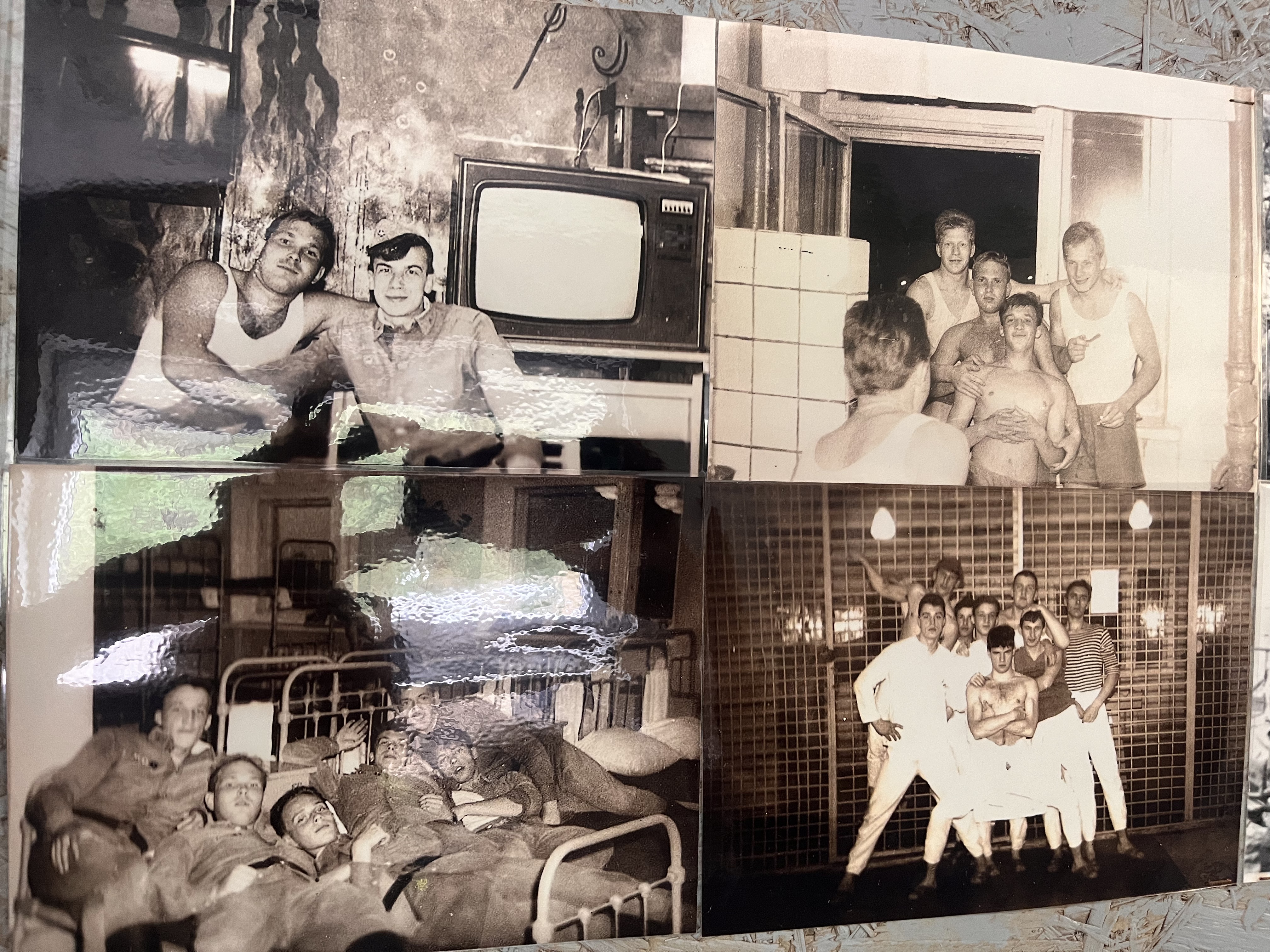
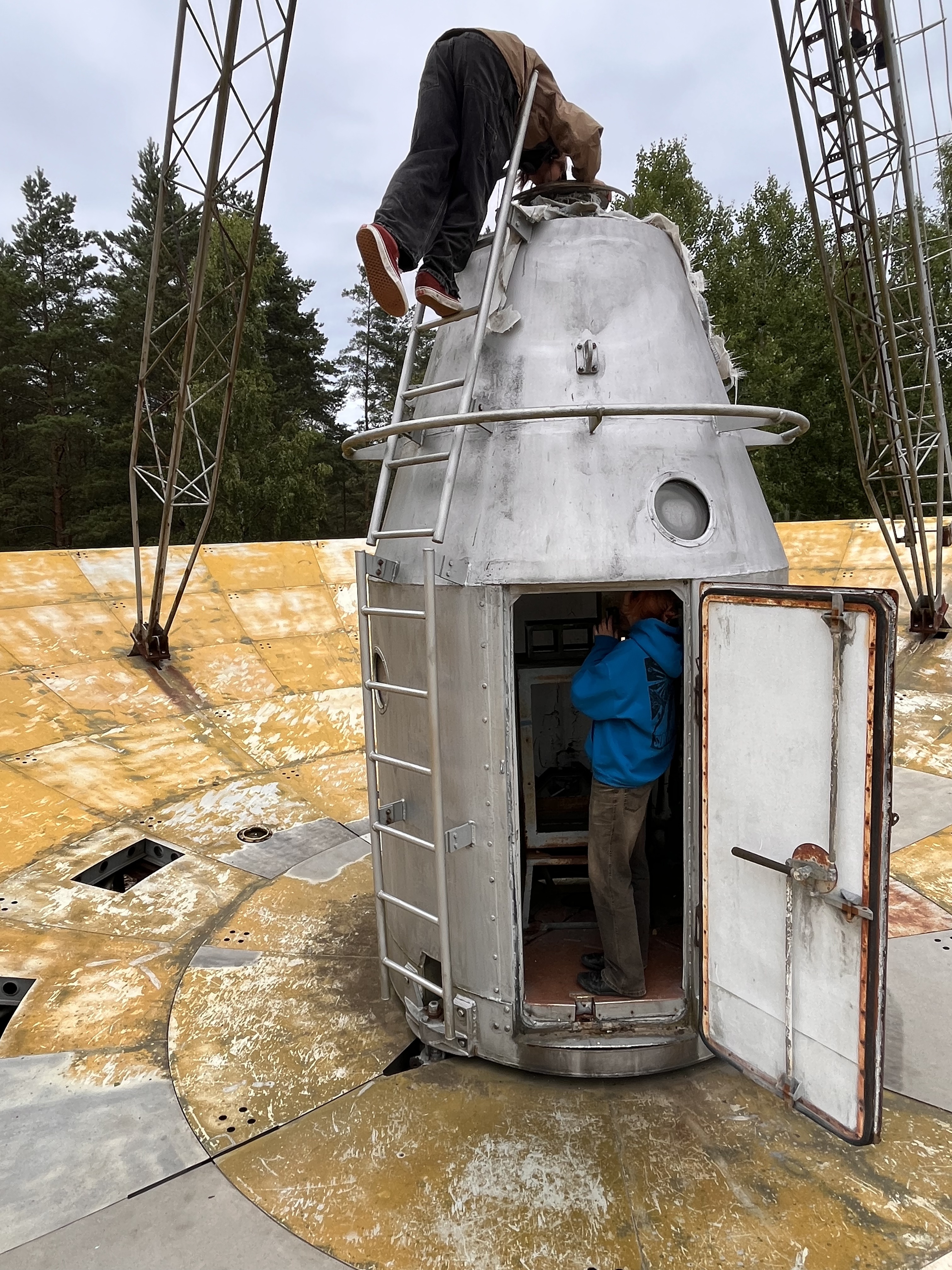
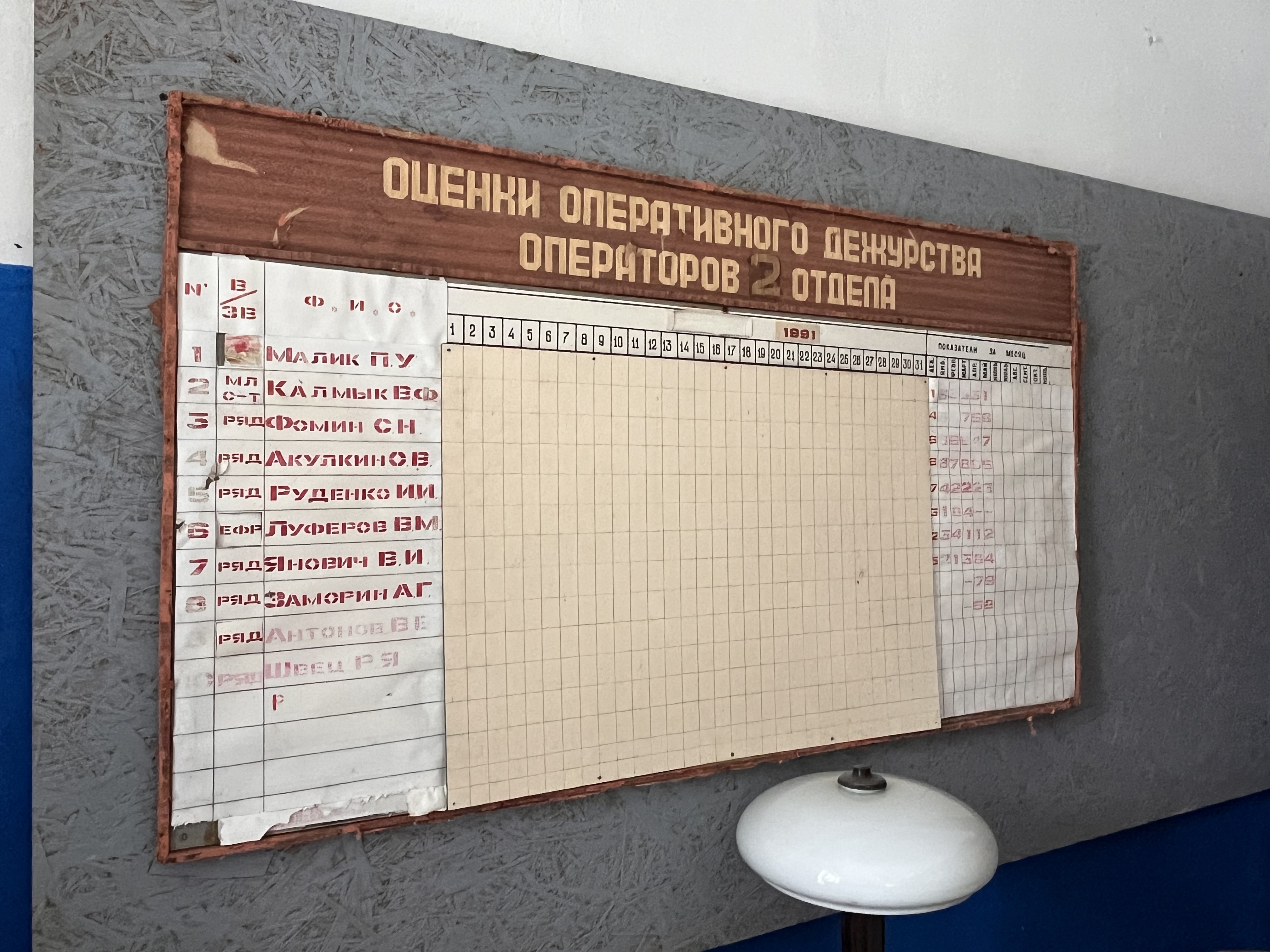
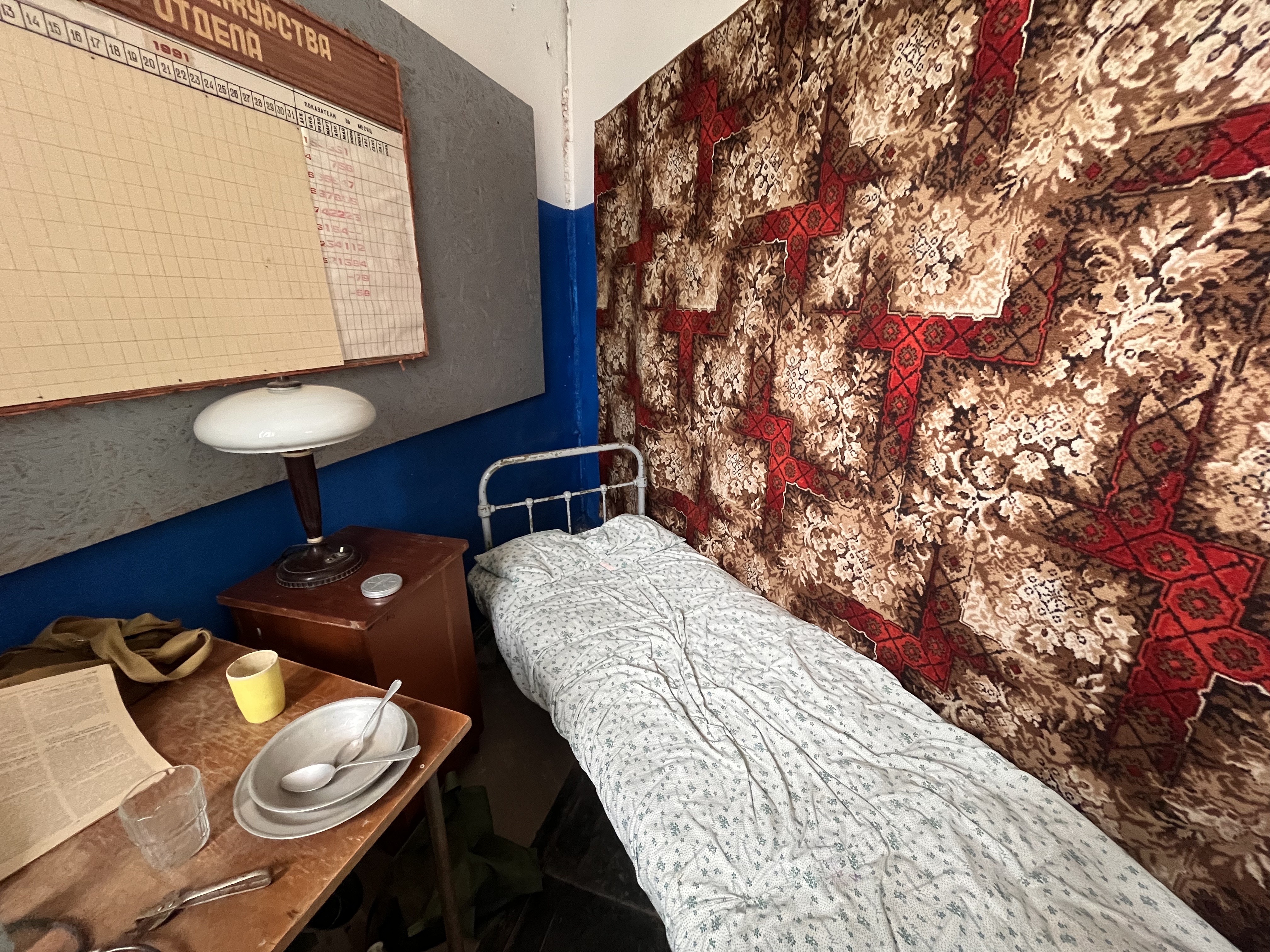
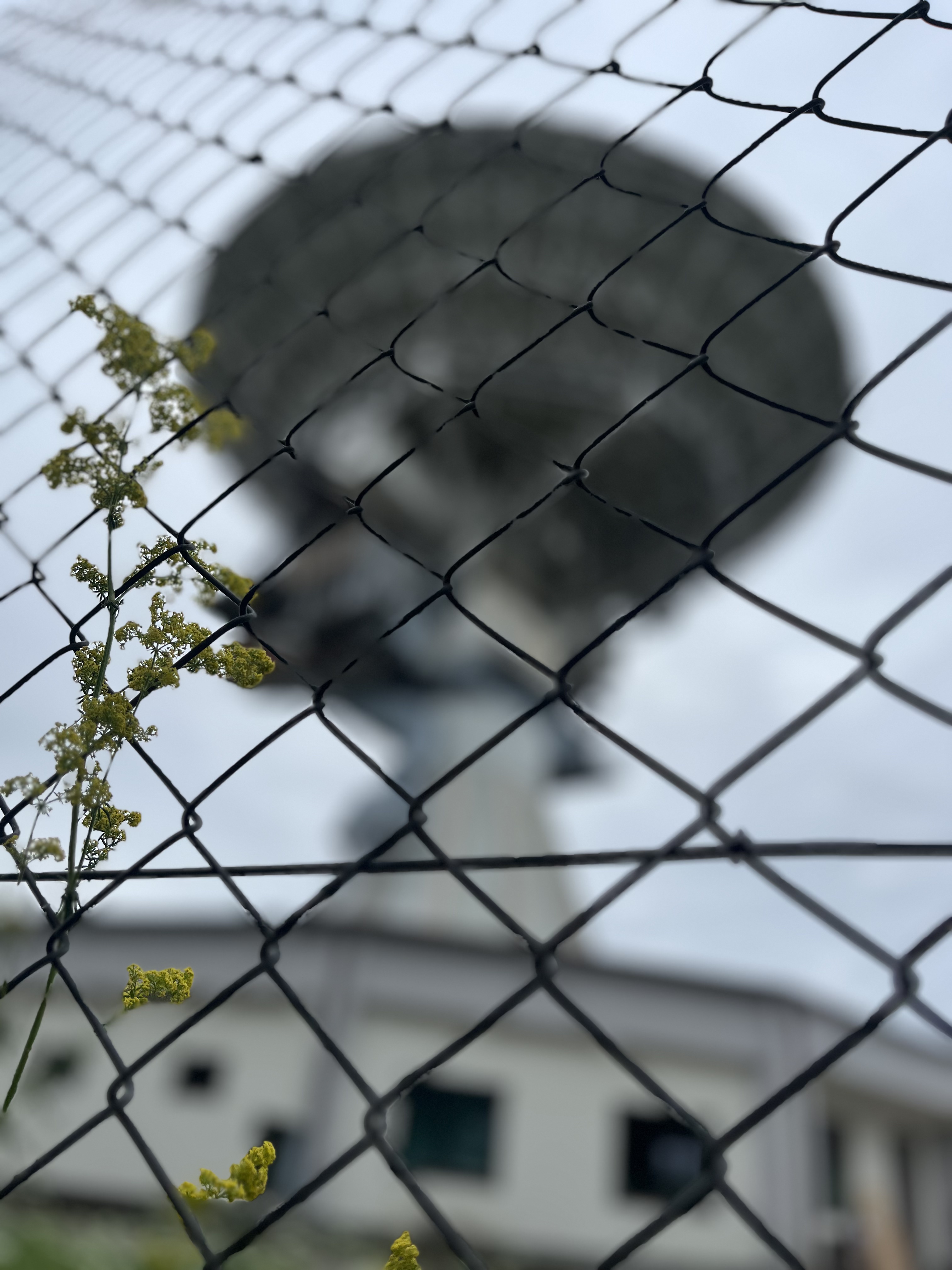
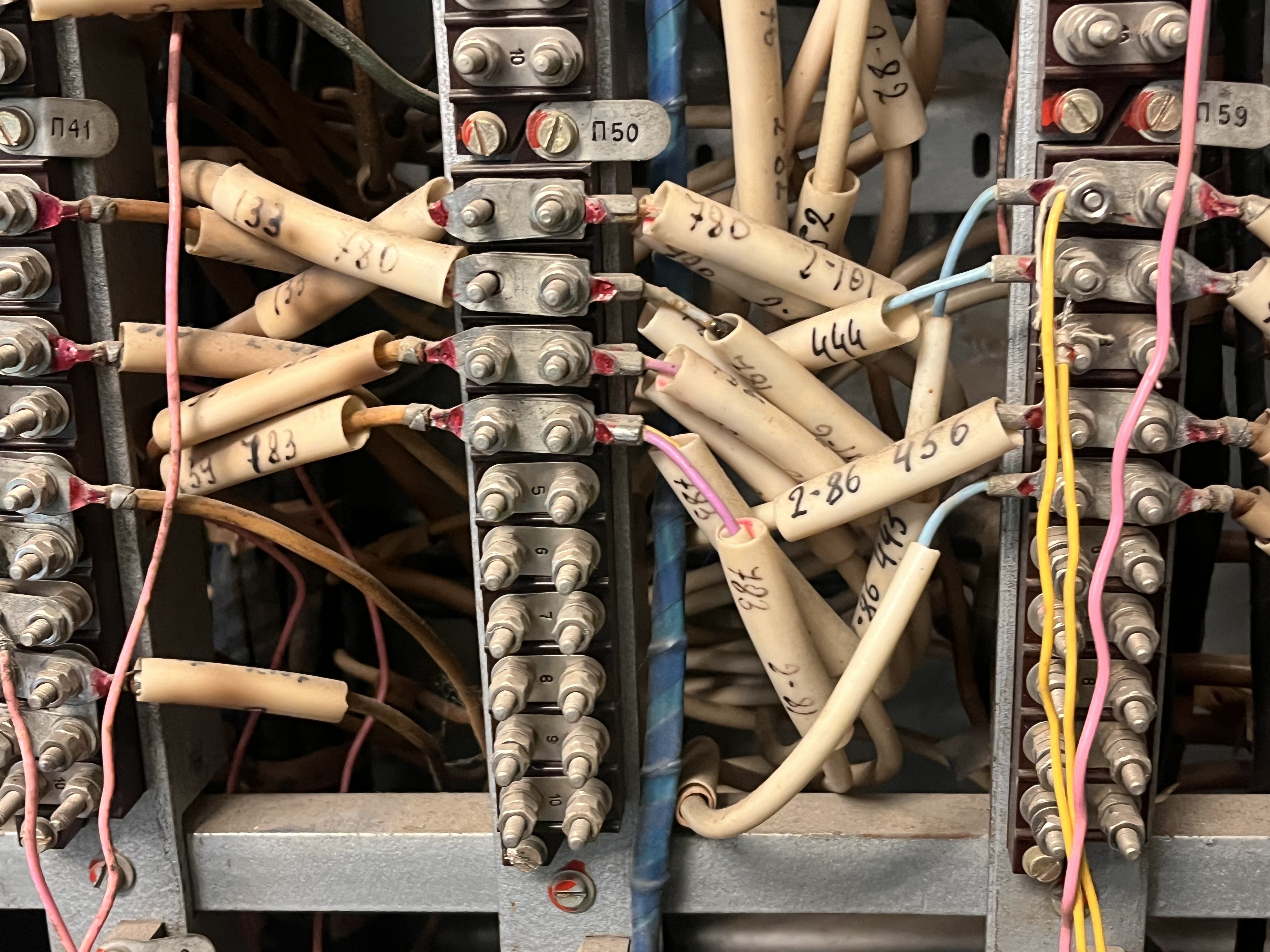
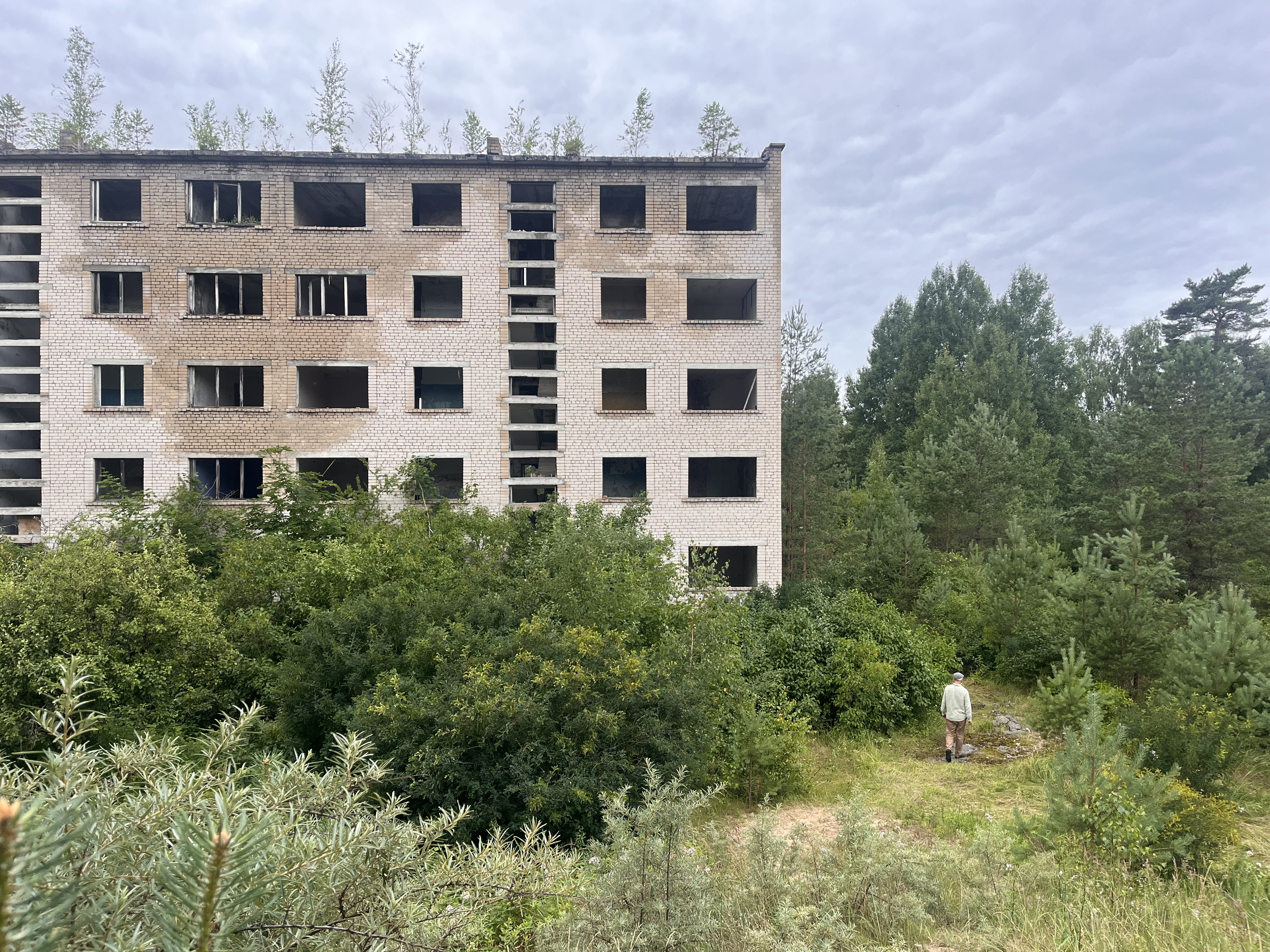
(In case you were wondering!)
My summer opened with the gorgeous confluence of previous FEELed Lab guests and researchers at a double-book welcome in Montreal for How to Weather Together (authored by me and former FEELed Lab Visiting Scholar Jennifer Hamilton) and sometimes, forest (authored by FEELers summer camp podhead Elee Kraljii-Gardiner).
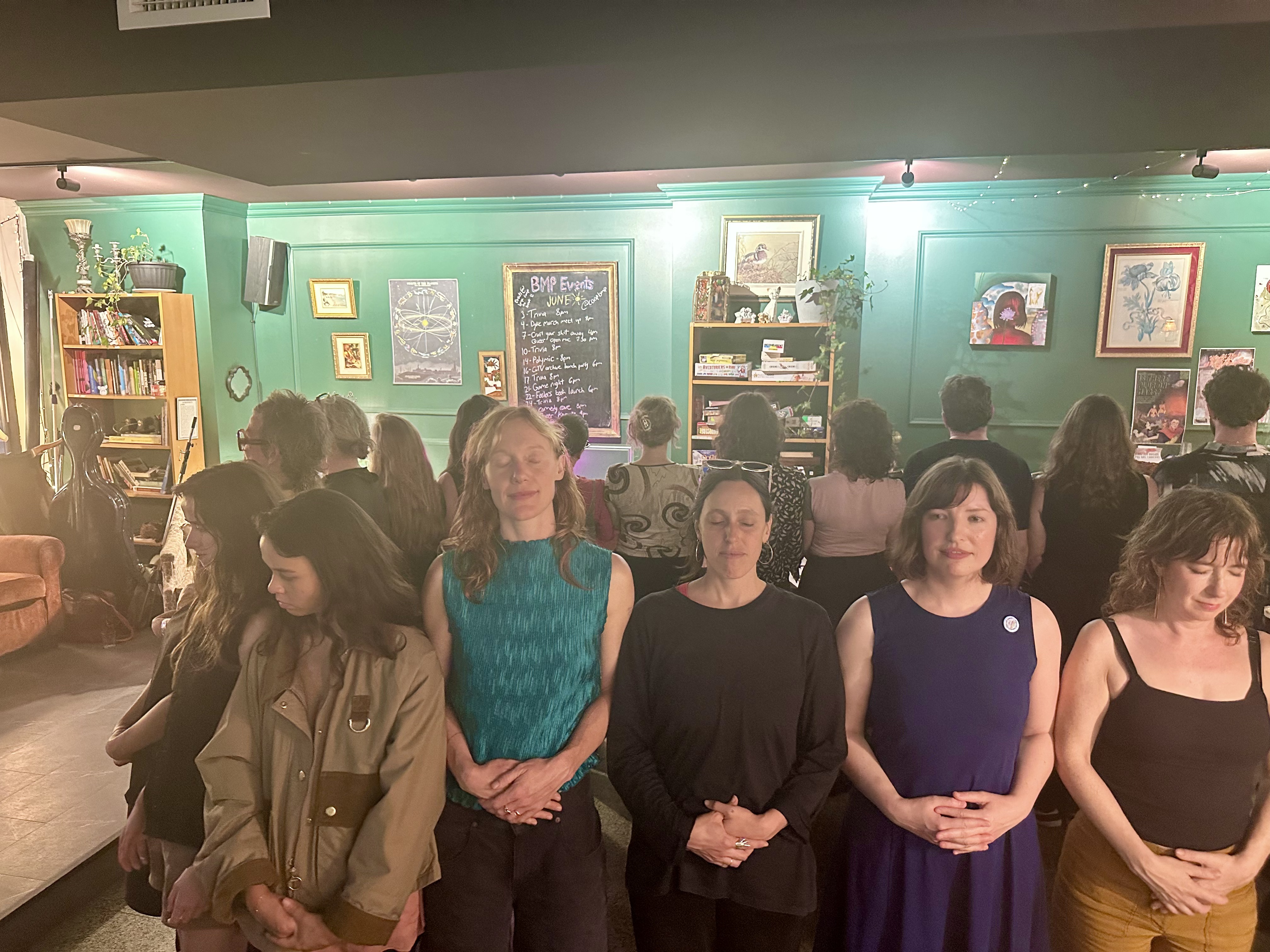
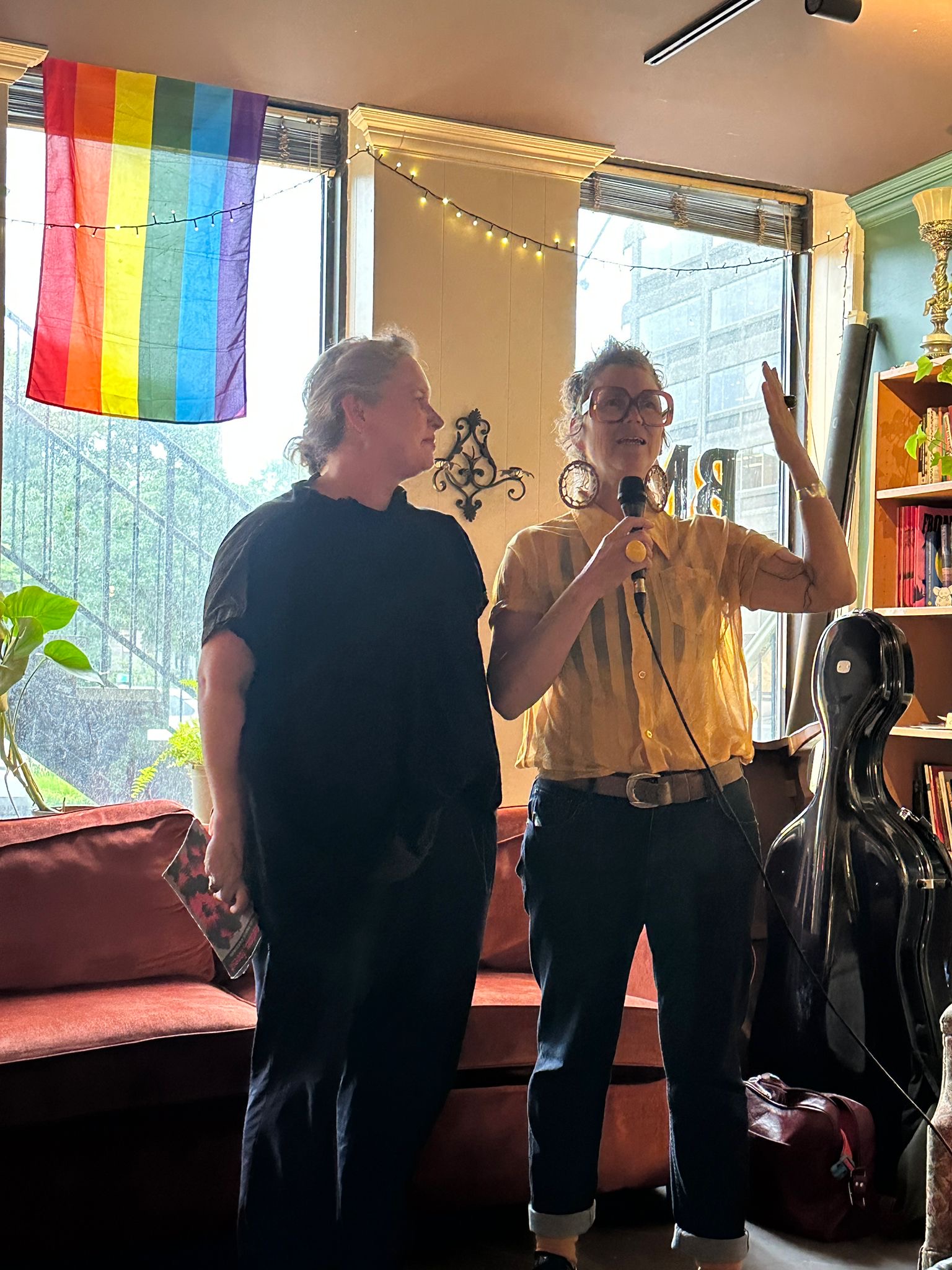
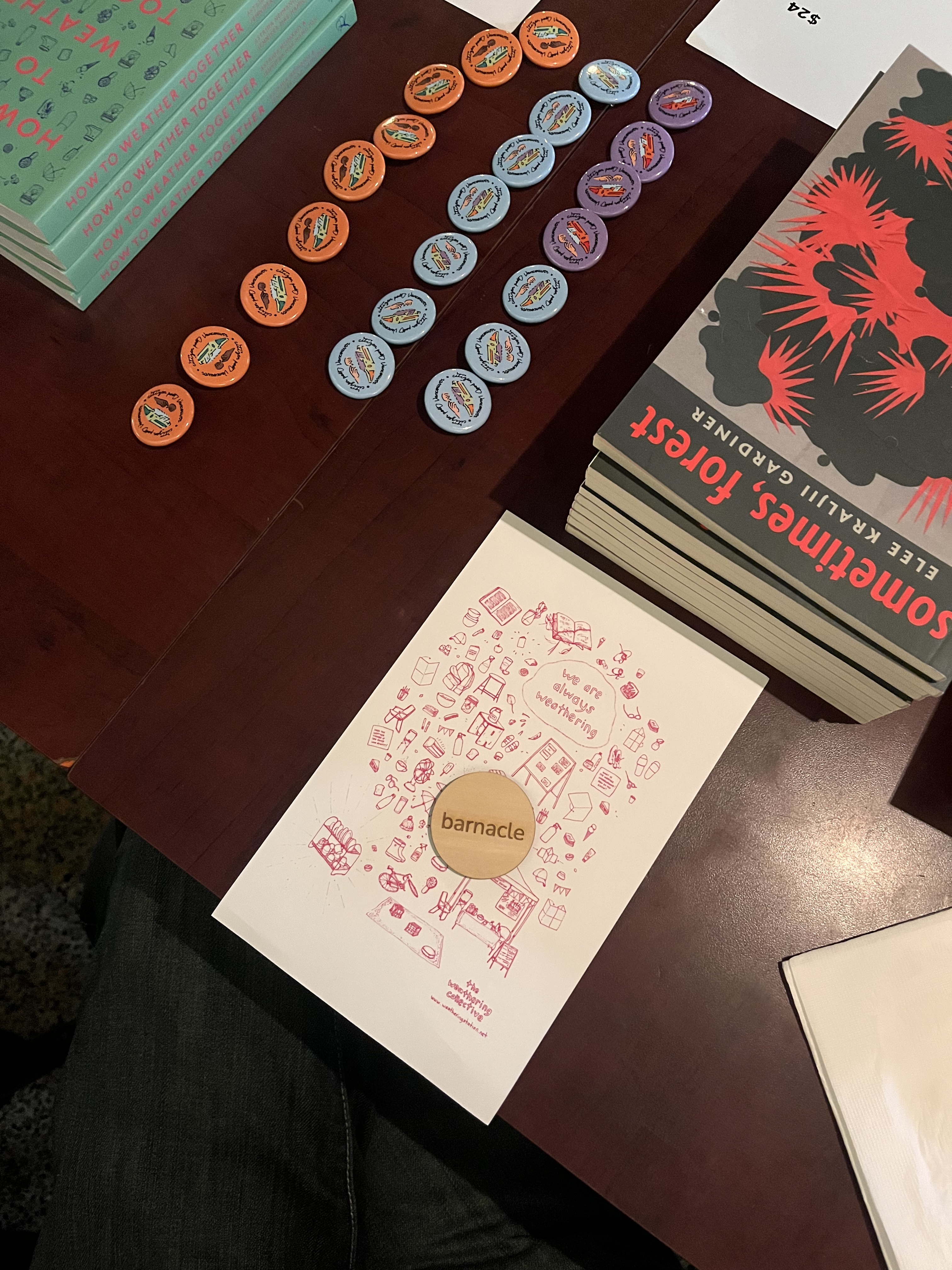
That magical event included guest performances/activations by former FEELed Lab visiting artists Anne Bourne and Lindsay Kelley, with participation from last year ASiR artist Nina Vroemen, and fomer FEELers Alba Clevenger and Laura Magnasson as well.
Shortly after that, I had the privilege of being an examiner for Jasmijn Leeuwenkamp’s remarkable PhD thesis on the rights of nature at the University of Amsterdam; Jasmijn was one of the first visiting PhD researchers at the FEELed Lab three years ago! This was also an opportunity to reconnect with Rosi Braidotti, Emily Jones and others at a lively panel discussion bringing all of our work together in conversation.
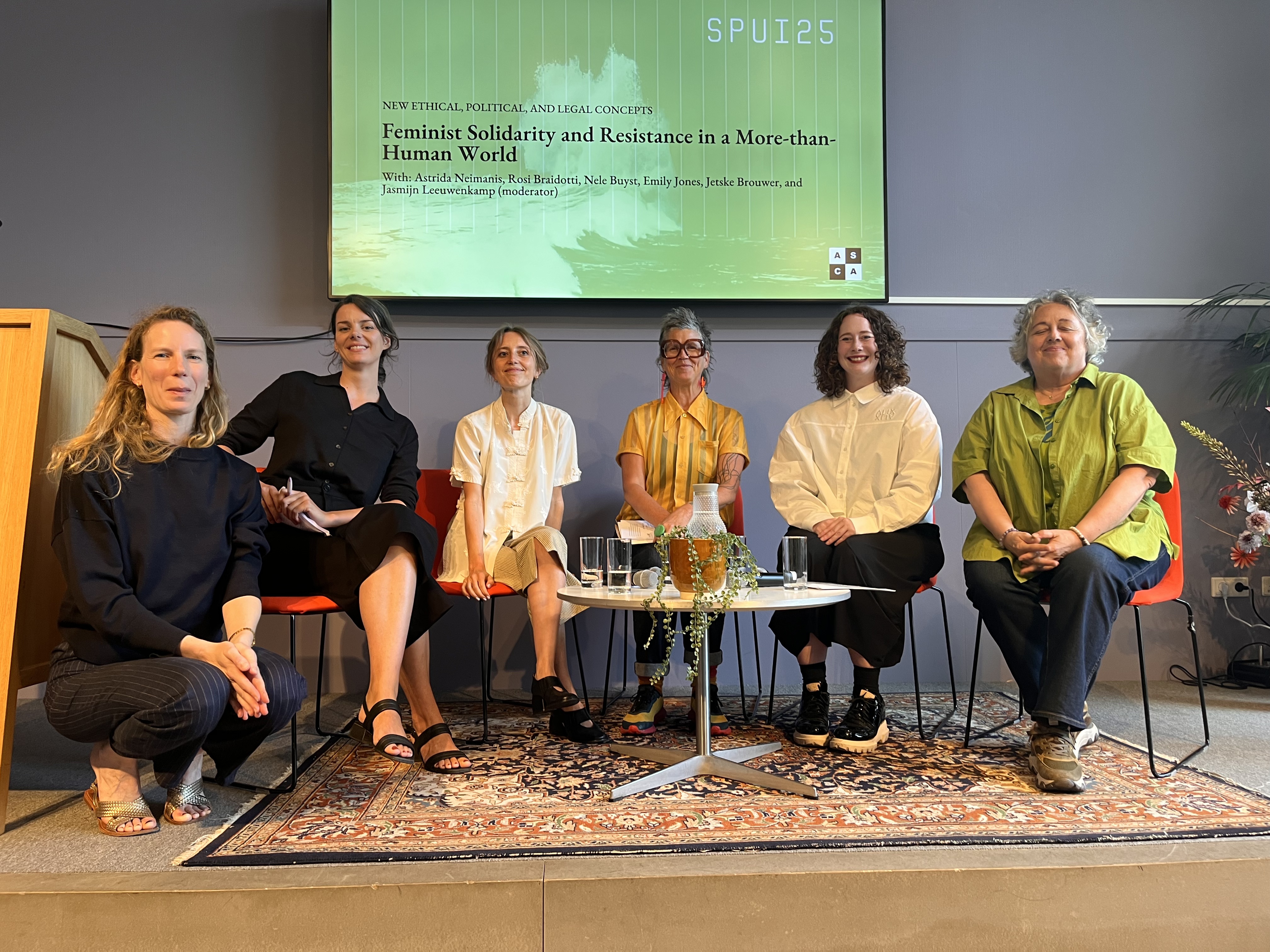
Both of these gatherings reminded me that ‘confluencing’ can also be a deliberate practice, where we intentionally thicken our relationships by returning to them, again and again.
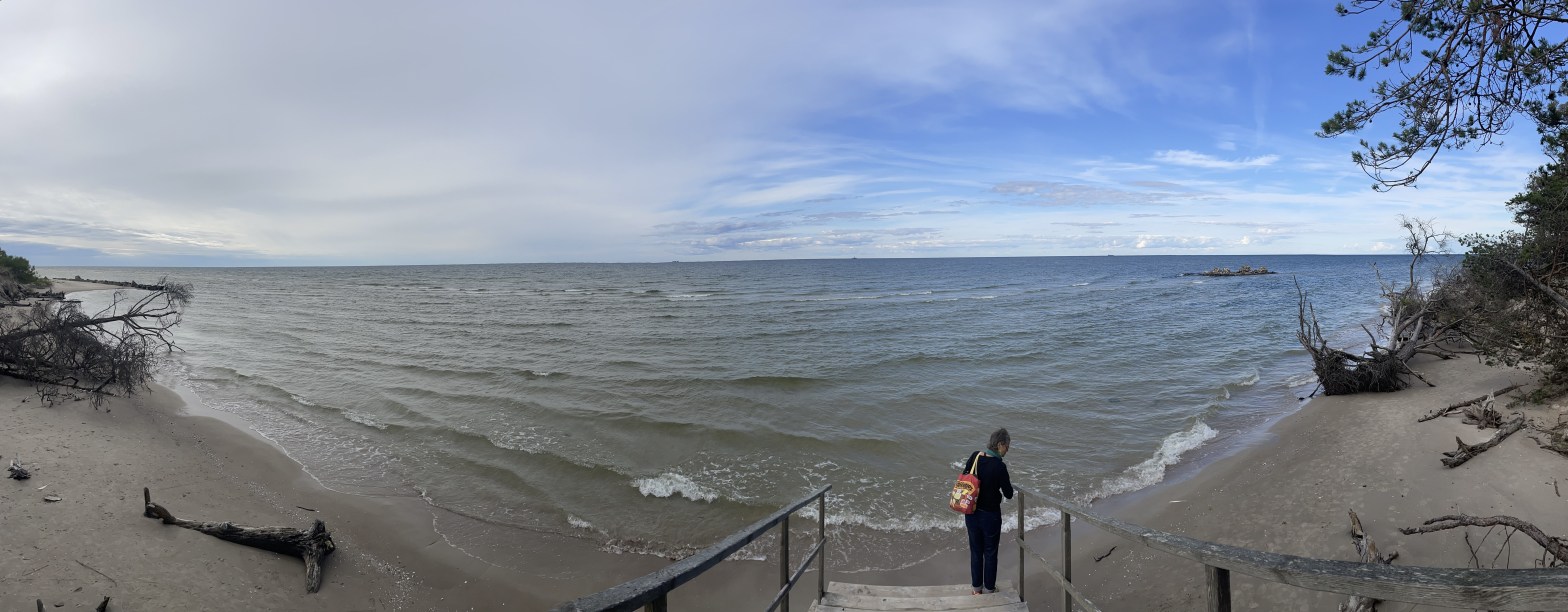
At the end of the summer, strange confluence culminated for me at an actual confluence – namely the Confluence of European Water Bodies in Berlin 3-6 September, where I felt pretty honoured to be invited to give an opening keynote and a workshop. This (now fourth) annual event gathers a solidarity network over fifty grassroots initiatives–from the Tigris River to the Baltic Sea–in a new place every year. This year, we were hosted by Berlin’s Spree River, and co-curated by the indefatigable Léon Gross and Jakob Kukula of symbiotic-lab in Berlin.
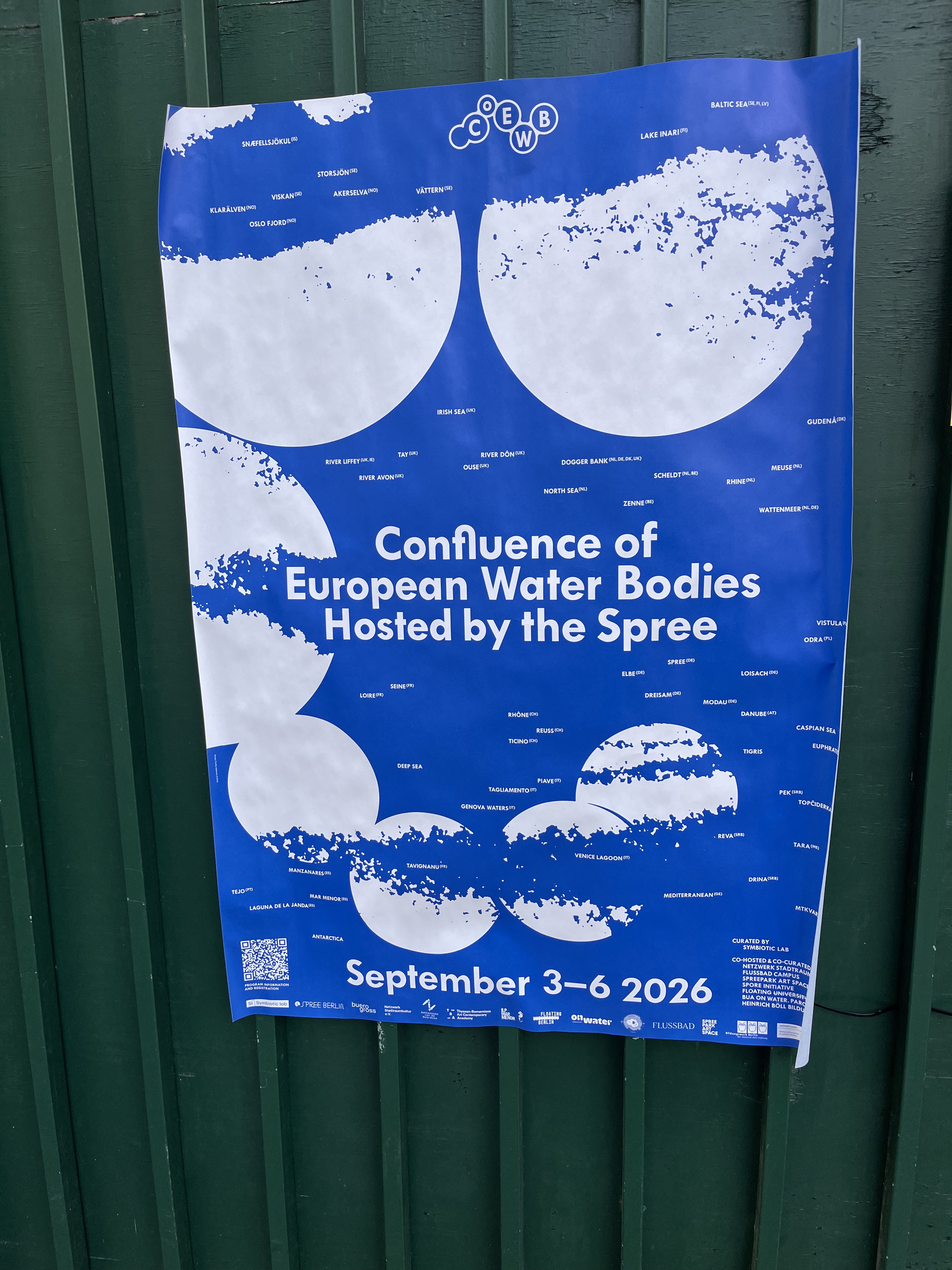
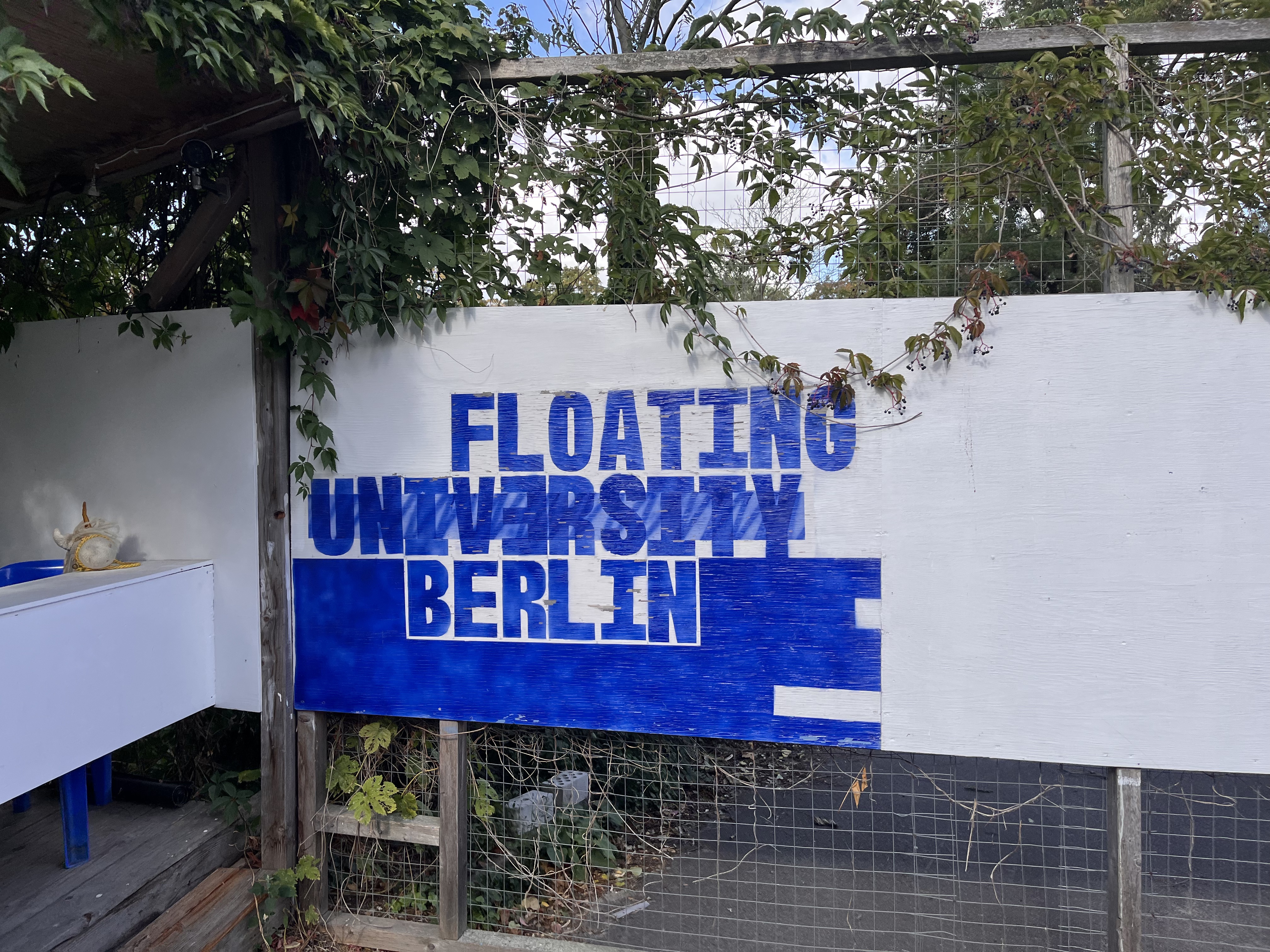
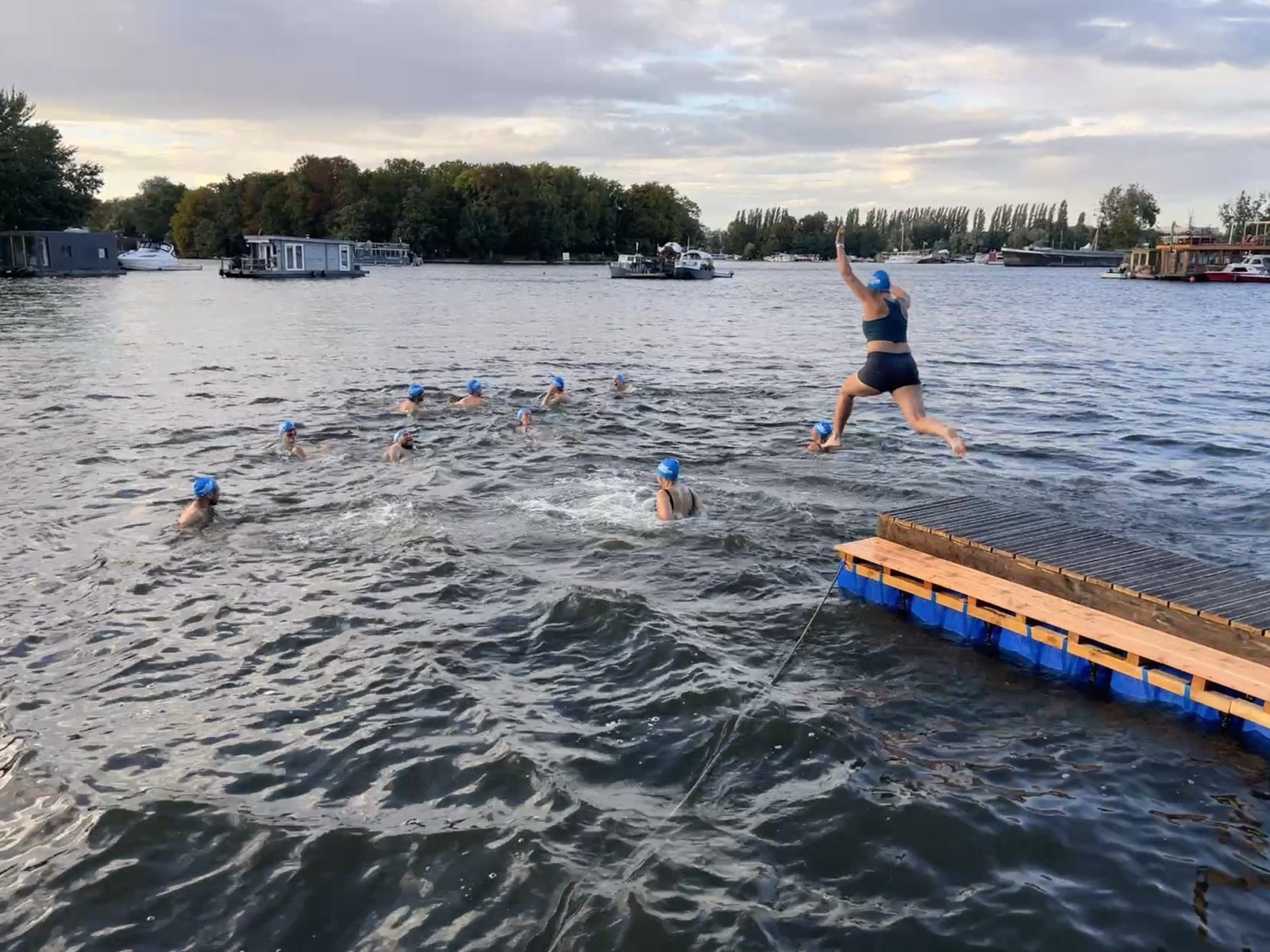
Inspired by the (successful!) activism around the Mar Menor in Spain, this year’s Confluence was jam-packed with workshops, strategy sessions, knowledge exchange, a special speed-zining round (!), place-based cooking and eating, performances, experimental story-telling/canoeing on the Spree, swimming (err, illegally) in the Spree at the “Blaues Wunder” pop up swim spot, a multispecies parliament, and much, much more These days were wildly rich with learning–art/science, community-engaged research, creative activism, joyful grief and depressed optimism!
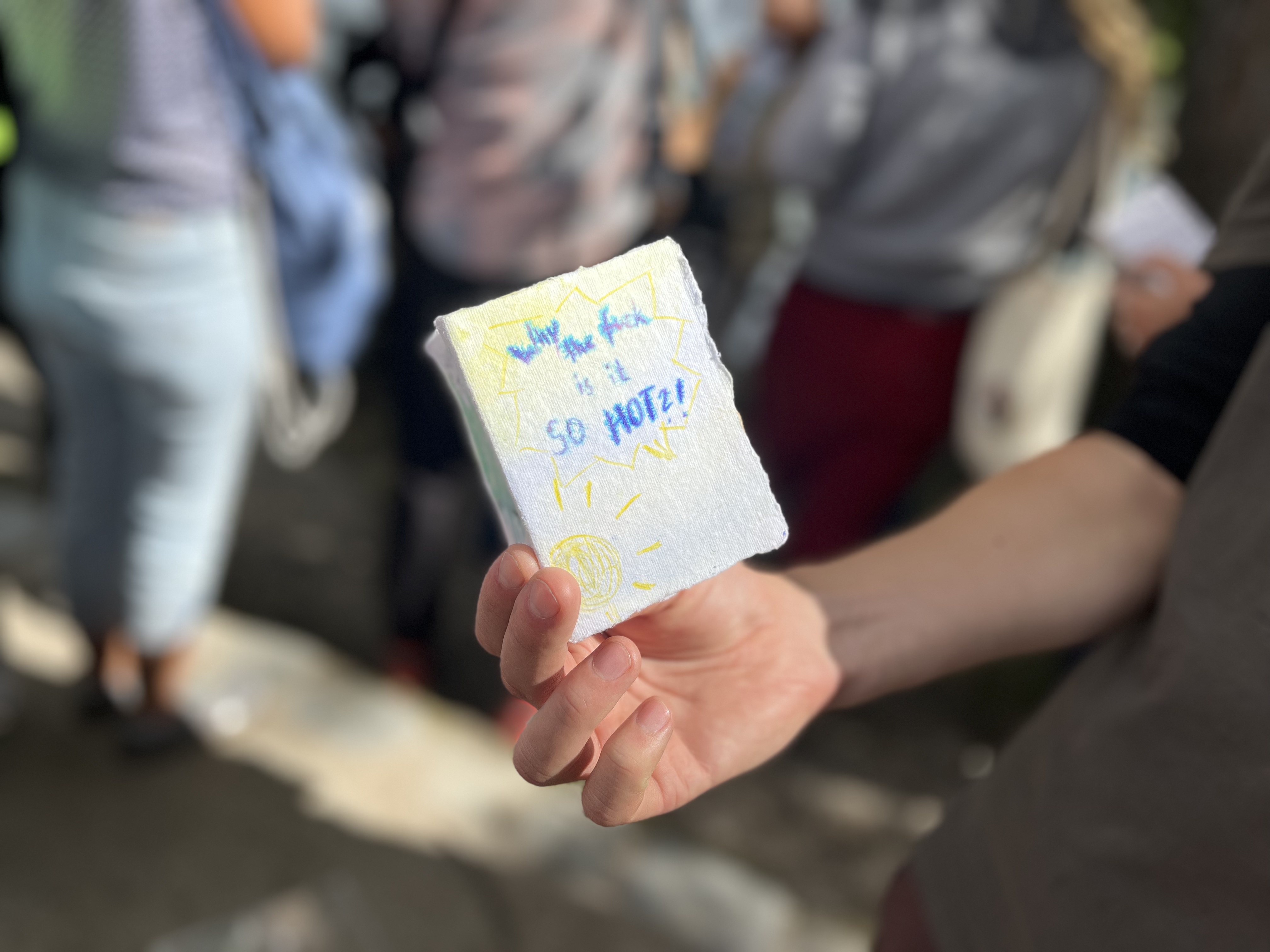
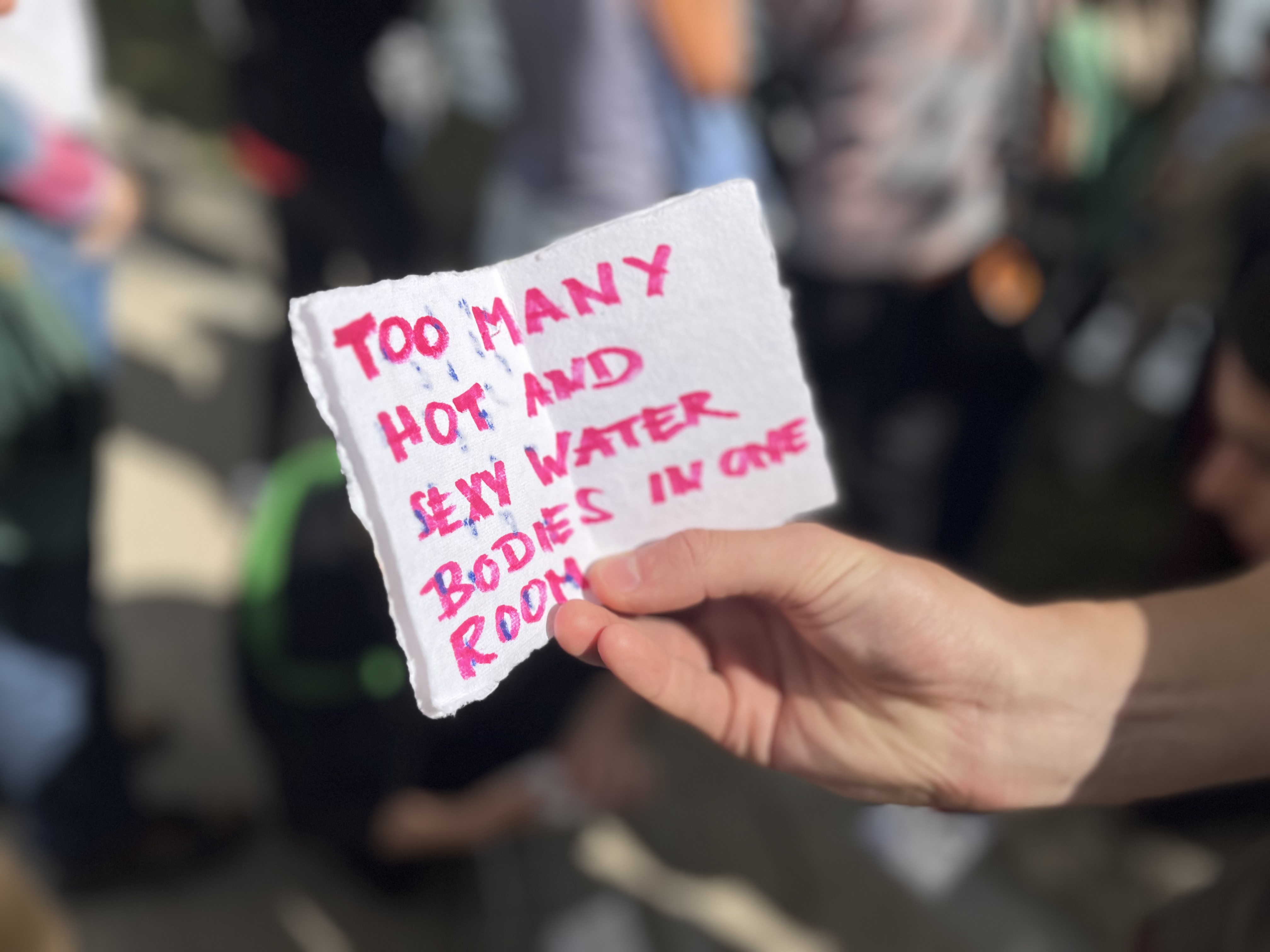
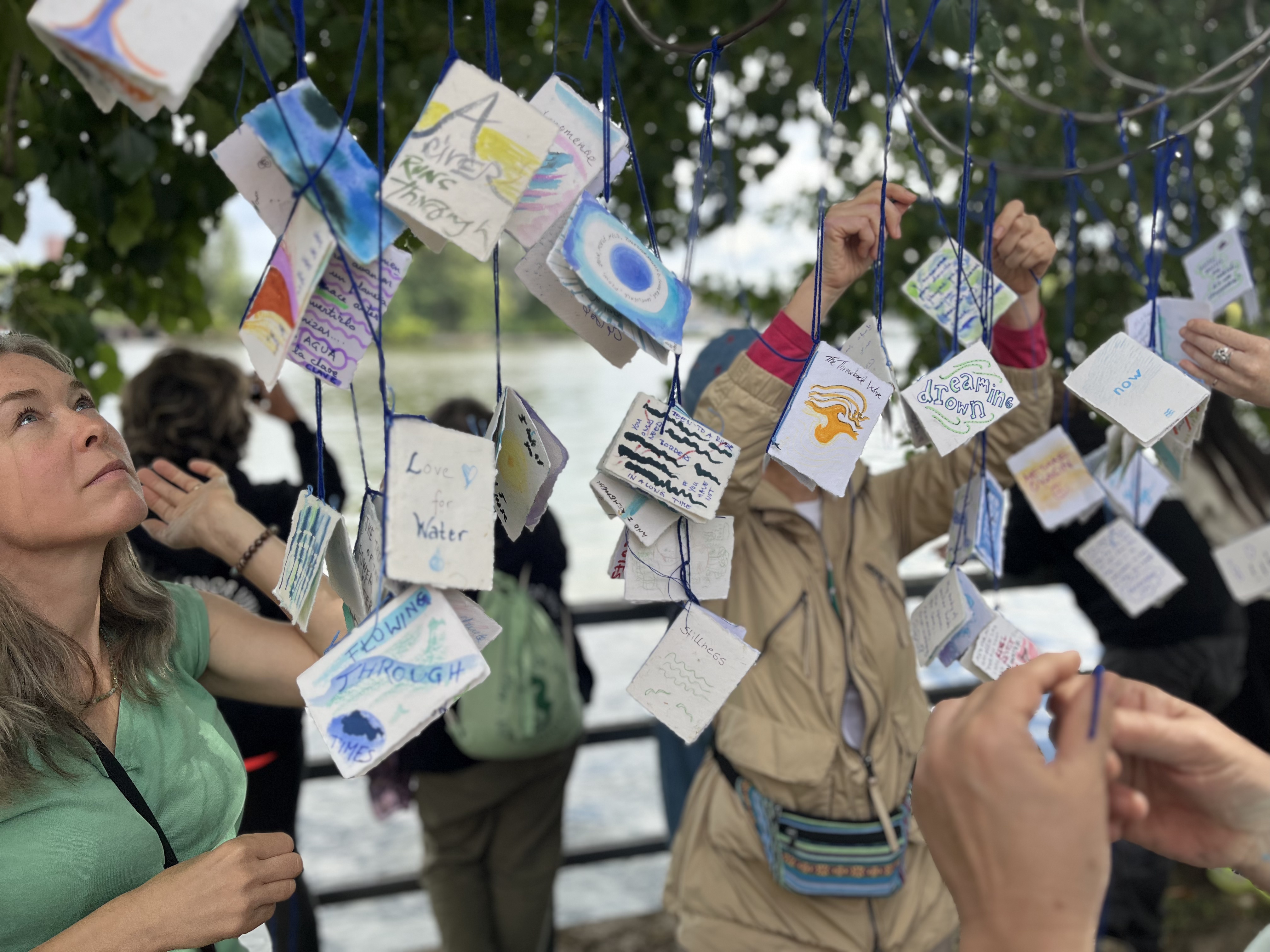
For my keynote, I wanted to think about the idea of “thick confluence” but also enact it – so I invited the participants who had been confluencing already at past events to contribute in advance. I received seventeen memories from the perspective of the water bodies themselves – memories of toxic spills and deep time hydrogeologies; of military incursions and once-were-mermaids; of dry riverbeds and missing salmon.
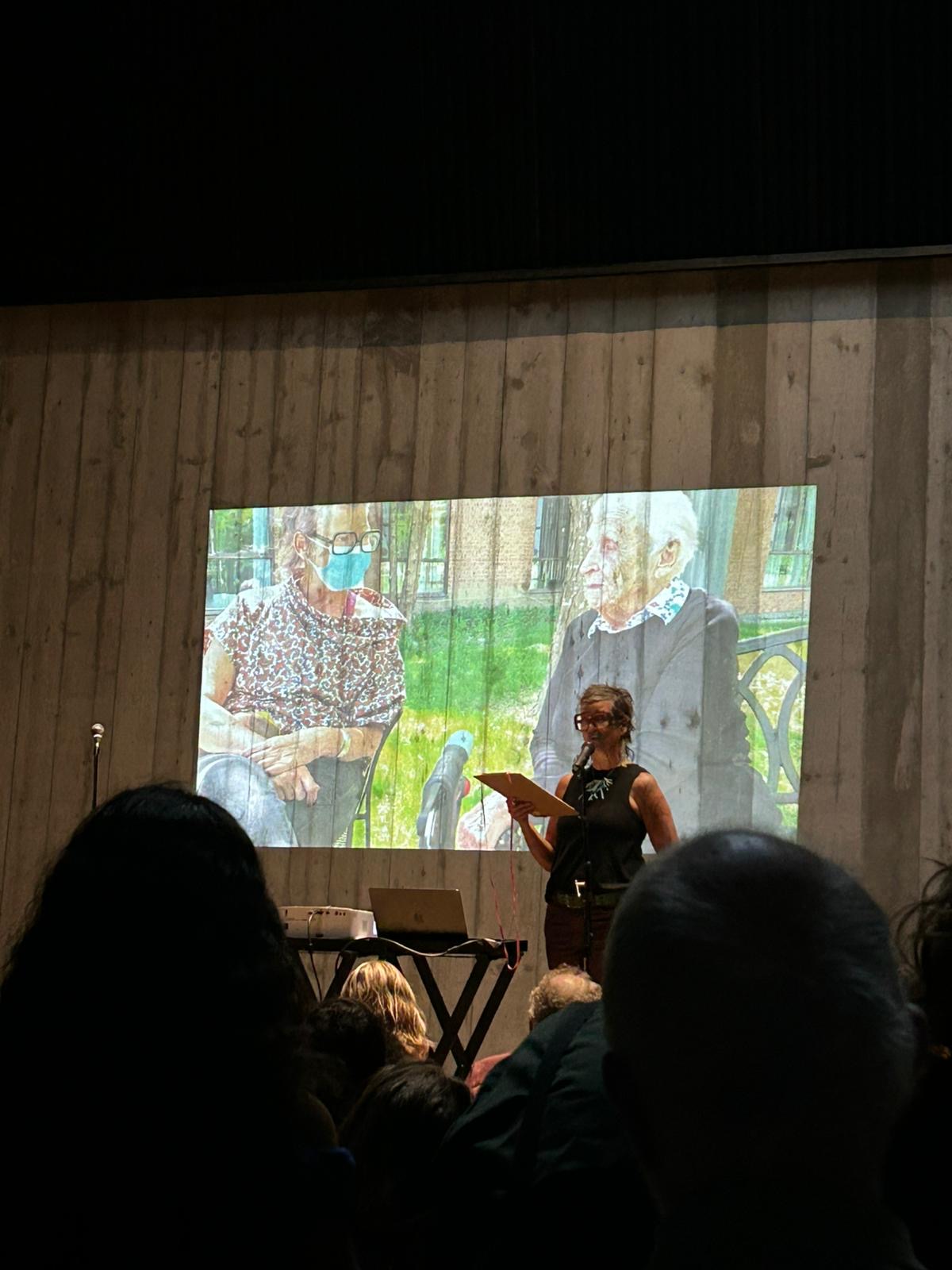
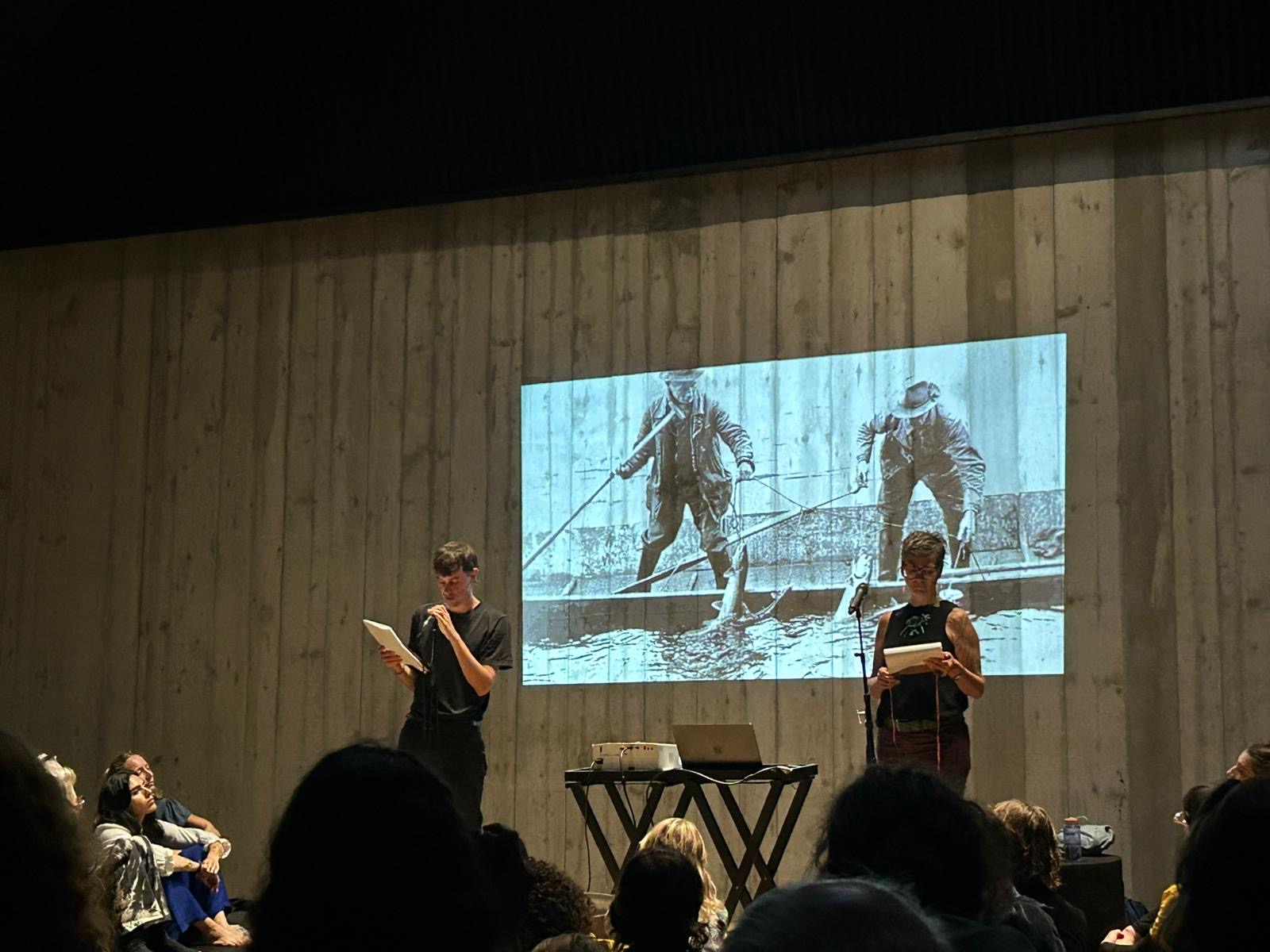
These memories were read aloud by the waterkeepers (thank you, amazing water keepers!), creating strange confluence with my own stories about the coming together of times and places, of damage and desire, of what we carry and what we leave behind.
But my Berlin confluence did not stop there! I ran into so many unexpected acquaintances, and delighted in the discovery of the many ways I was already connected to new ones, too. (Water always finds a way back.)
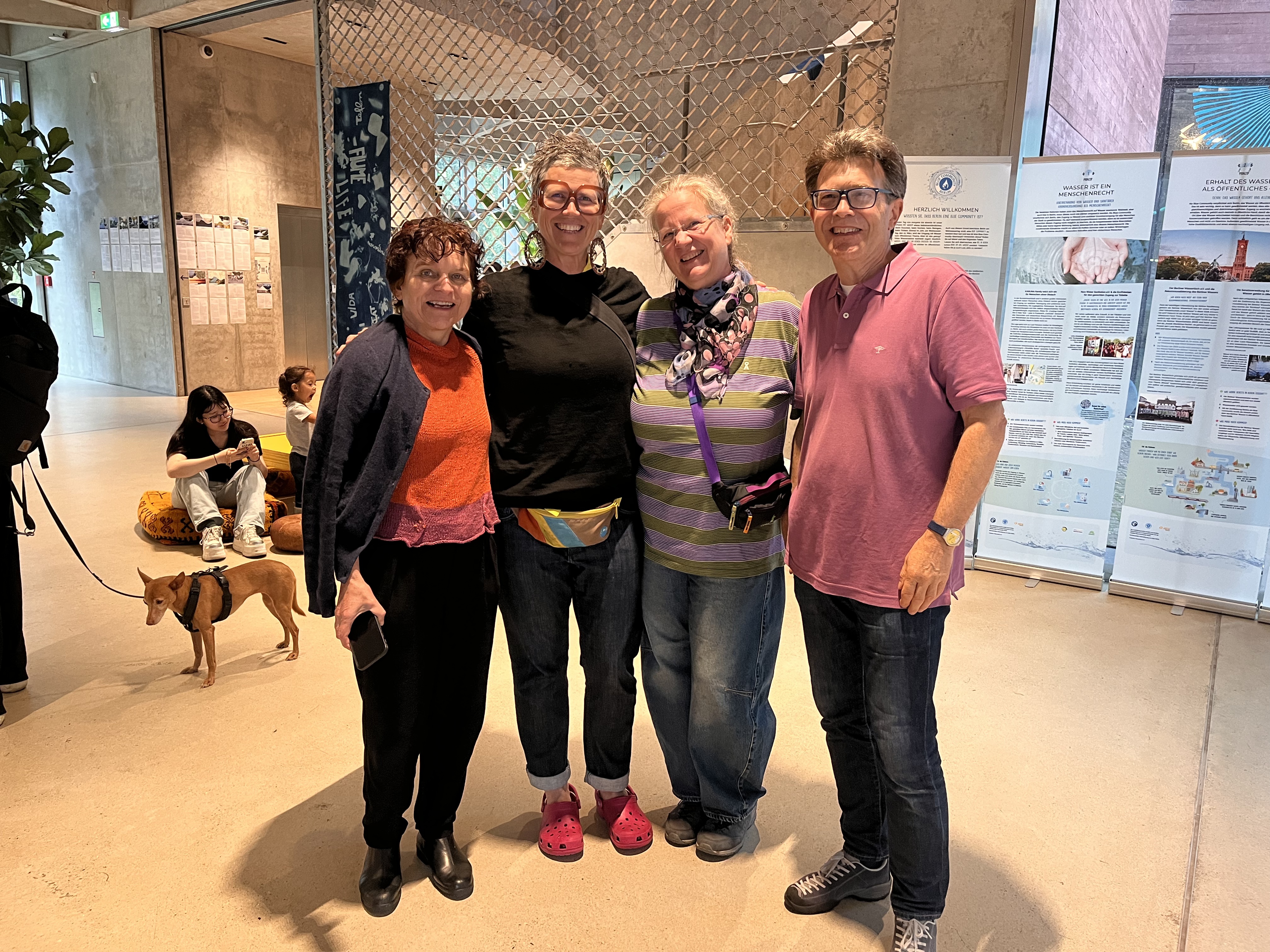
Most extraordinarily, not only did FEELed Lab researcher Lola Melchior show up in the flow of things, but on Day 2, someone tapped me on the shoulder to announce, “Astrida? I’m Lola’s mom!” It was so brilliant to be able to track Lola back to the source, so to speak! And how amazing that Lola’s parents spent the afternoon at the Confluence, supporting this important work. (Lola’s dad also got to meet a journalist from a newspaper, Taz, that he has long supported as a member of the paper’s cooperative.)
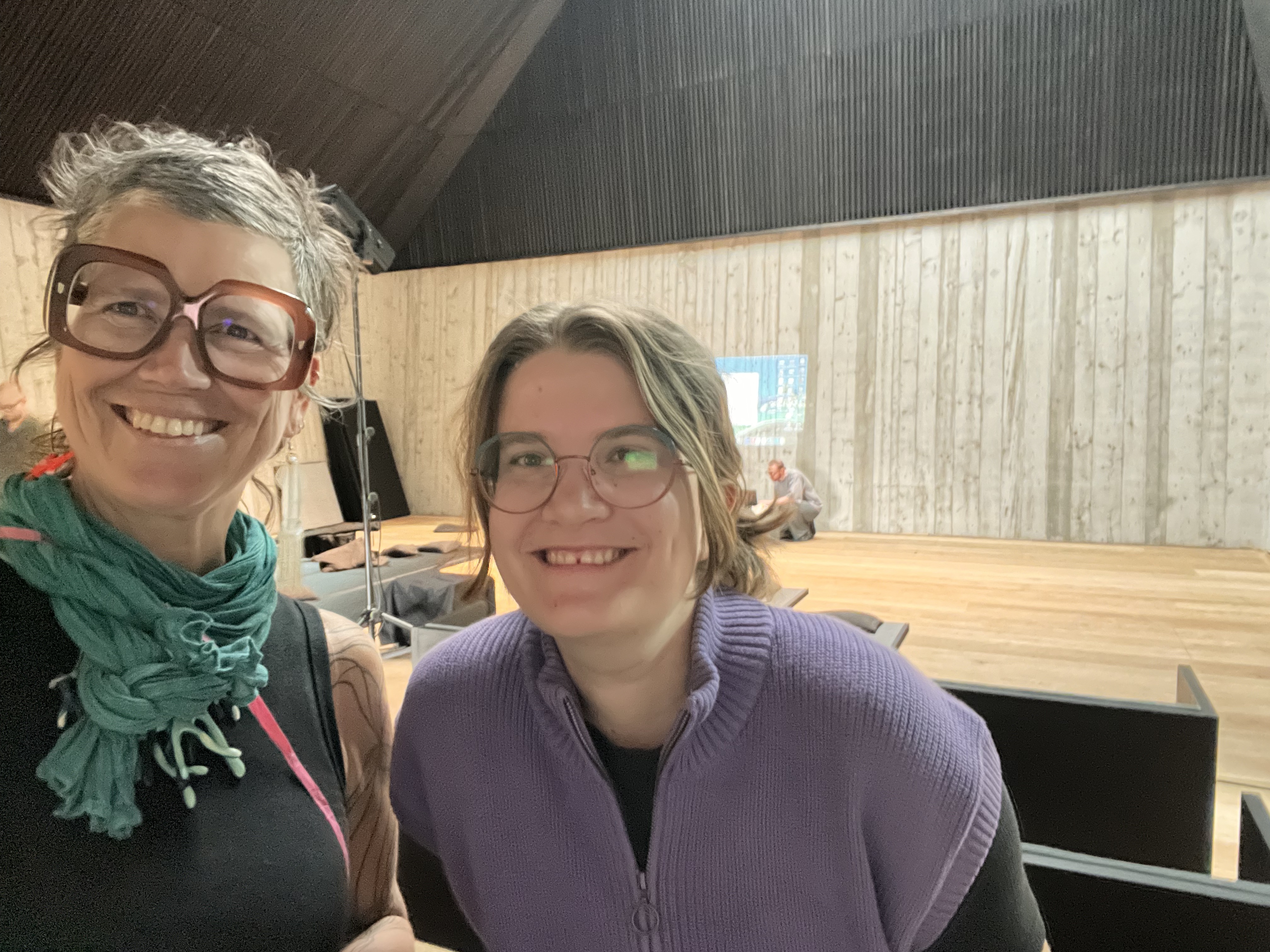
At the same time, it was a tough summer around here. The devastating wildfires affected us all, and affected some in monumental ways. Extended drought, disregard for syilx forest care practices, climate change, and the weather were also confluencing. (The answer to ‘what is this coming-together trying to tell us?’ is not hard to grasp).
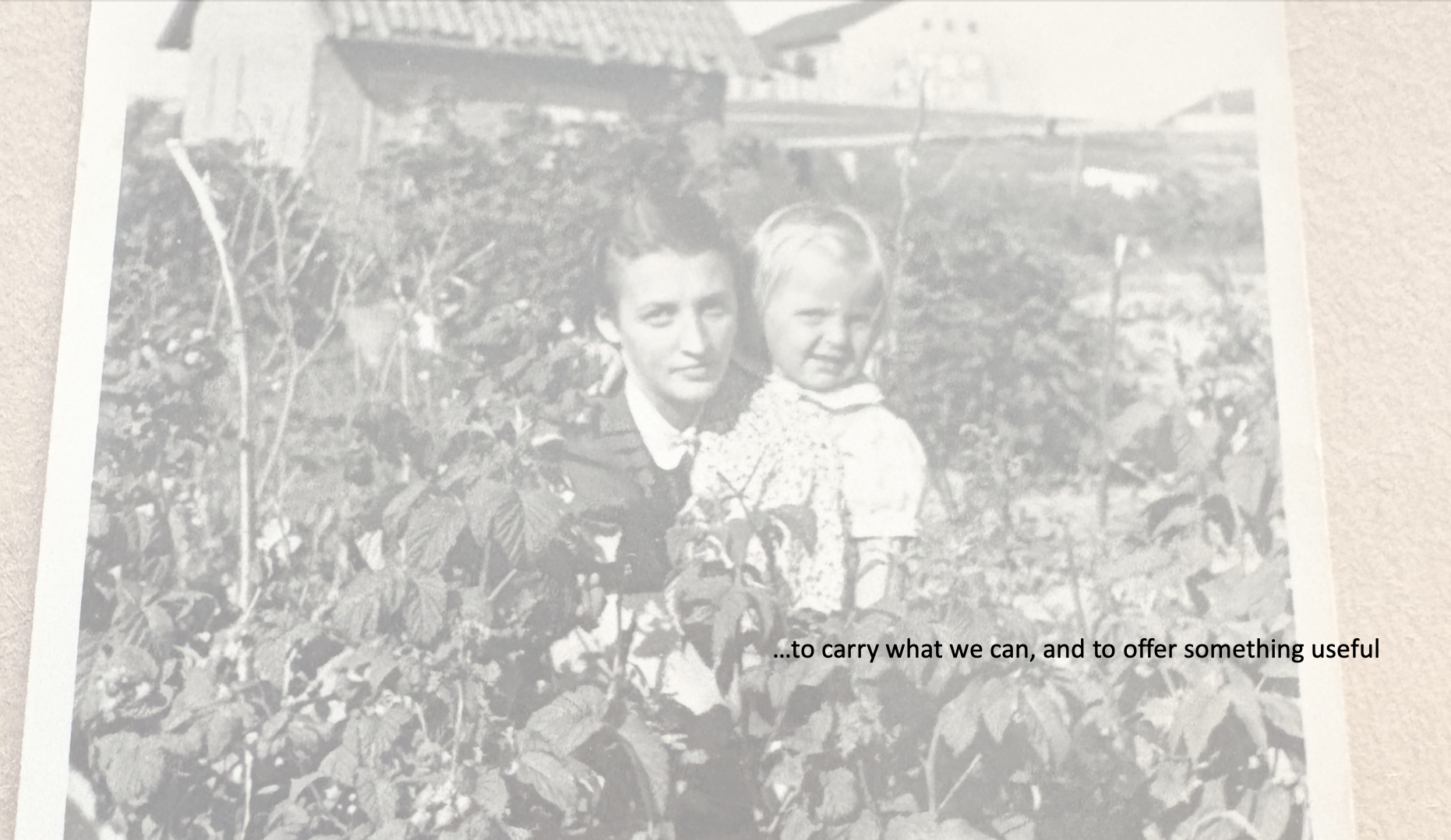
In my Berlin talk, I suggested that confluencing is also an invitation to ‘carry what we can, and to offer something useful.’ While the upheaval of the summer wildfires cannot be downplayed, perhaps there is an opportunity here to respond to this invitation in order to keep thickening our relationships to these lands and the people who care for them.
Carry what you can, and offer something useful.